Monday, 20 May 2013

Civilians (12)

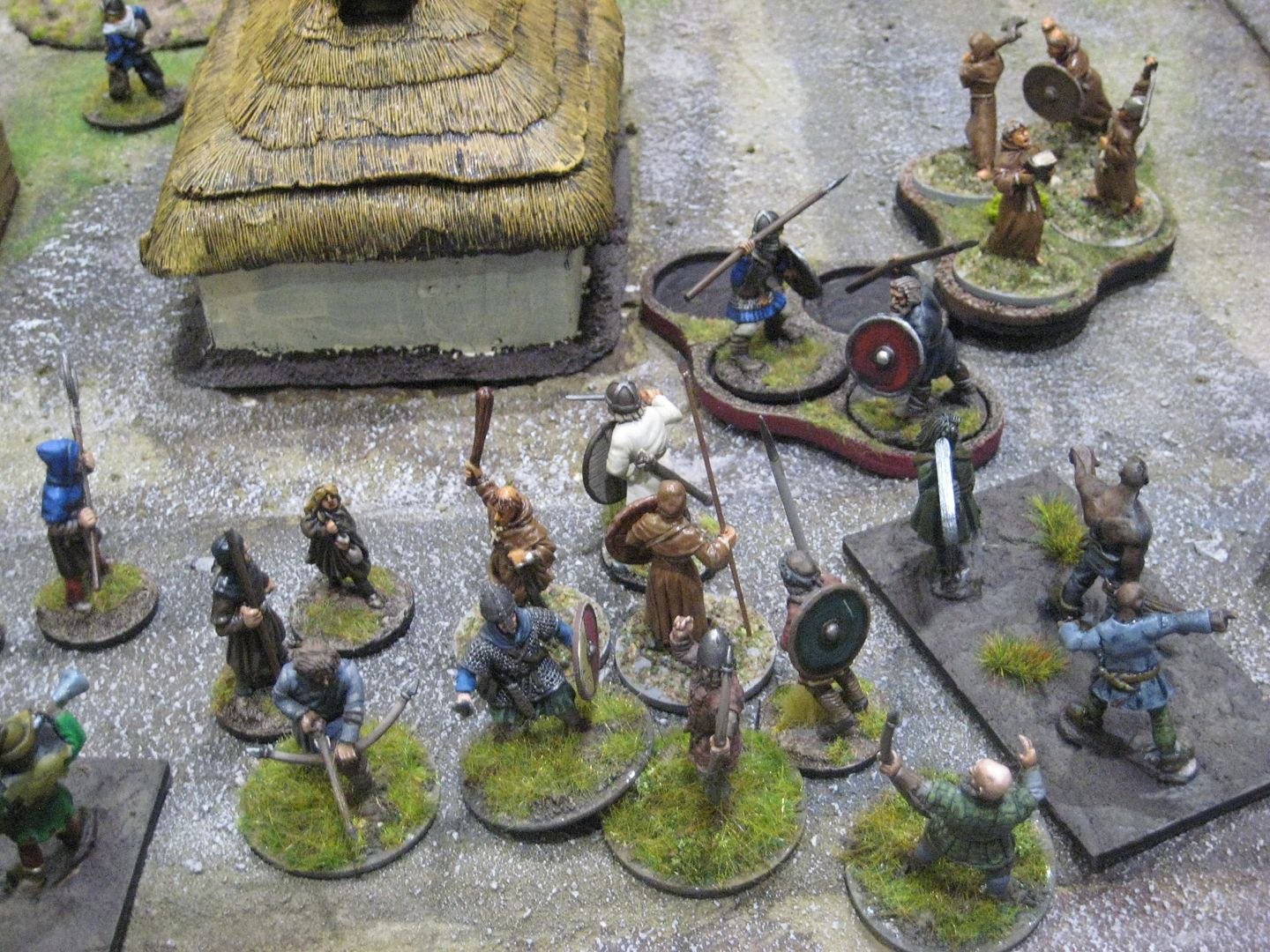
I think this vignette holds the record for the length of time I've taken to complete something.  I can't actually remember when I started painting these figures, but it was definitely before I moved out of London, and even then the two figures I'd painted, the girl and her chaperone, had been finished for a while.  So I reckon is was about July 2011 that I began work on this scene.  I picked up all these figures when I visited Eureka Miniatures HQ in Melbourne earlier that year.  The washer-woman, old crone and water trough come from a set in the Eureka Revolutionary Wars set, which also includes a French cavalryman watering his horse.  I'm not sure where the artist figure comes from - there are all kinds of jems in the Eureka catalogue which can be difficult to find on their website.  When I visited Eureka, wargaming chums John Baxter and Mark Spackman found all sorts of things for me to buy that I'd never seen before (including a wig-maker with a giant poodle - I must paint that set sometime soon).  The reason for the massive delay in finishing this set was twofold.  First, I couldn't decide on how to paint the stone water trough.  Secondly, I was having difficulty arranging the scene and, in particular, finalising how to deal with the artist.  I had decided quite quickly that I would use all these figures together, as an early example of en plein air painting.  The tricky part, however, was working out how to make the artist's easel and whether to add any other bits to the scene.  So having painted and based the humans in 2011, I then failed to apply myself to the water-trough and the easel and consequently this vignette languished on my desk until April this year, when I shamed myself into sitting down and working through the outstanding items

As I find is often the case with "tricky" bits of modelling, the "difficult" bits didn't actually take long to finish.  I painted the water trough with the Foundry "Stone" palette, and then gave it a final drybrush with an off-white (I forget which paint exactly, but it would have been a Coat d'Arms light grey).  The easel I scratch-made from bits of matchsticks.  I spent a bit of time searching the internet for pictures of mid/late 18th century easels to see what they would look like - not many seem to have survived, but there are quite a few paintings from the period which are themselves pictures of painting scenes. That said, easel design doesn't seem to have advanced all that much over the past 300 years.  It probably the case, however, that the type of easel I made isn't the sort of thing that a painter would have taken out of the studio.  Also, the painter in this scene is probably an amateur, as most established artists in the 1770s would have been concentrating on grand historical scenes or society portraits and wouldn't have wasted their time painted the local rustics. Anyway, the easel was a bit fiddly to do in the end, the hardest part being to carve out the ridge in which the painting sits.  Once it was all glued together, I painted the easel with the Foundry "Chestnut" palette.  Looking at these photos now, I realise that I should have added some gloss varnish to the water in the tough and the washer-woman's basket.

I arranged the figures in what seemed to me to be the most satisfying way, although I appreciate that it's not clear exactly what it is that the chap is painting.  The picture itself is simply a bit of Gale Force 9 plasticard.  I did think about trying to paint the scene into it, but discarded that idea after about 5 seconds.  Rather than leave the "canvas" completely blank, I painted a "red ground" on it.  Apparently red grounds are often used by landscape painters to prepare their canvases; I read that Constable favoured a sort of mid-brown colour and I tried to replicate that here.  Making the scene look as if the artist is just about to start also meant I could put paints in the palette without smearing them around.   I haven't glued the painting to the easel - so I could in theory have a go at painting something in the future.

4 figures, a water-trough and an easel. Painted July 2011-April 2013.


Friday, 3 May 2013

South Carolina militia cavalry

To keep the AWI ball rolling, this is a unit I painted ages ago but only finished off the other day (i.e. by painting the flag).  This is a unit of American militia cavalry that is designed to incorporate various smaller legions and regiments which joined together.   The "British Grenadier" scenario for Eutaw Springs, for example, has a unit of 8 figures in respect of "South Carolina State Horse", while the Savannah scenario has a unit of 6 - this regiment is supposed to represent this sort of thing.

The figures are, of course, from the Eureka Miniatures "ragged Continental dragoons" range, so the figures come with separate hats which allows you to mix and match.  Creating this sort of irregular look is exactly what the Eureka range is all about.  The uniforms followed plate 12 of Uniformology's Book 26 on Continental Light Dragoons.  From left to right, the figures in uniform coats are: Maham's Regiment (blue faced white), Myddleton's Regiment (trumpeter), Hammond's Legion (blue faced red) and Horry's Regiment (white faced blue).  All of those units contributed troops to the South Carolina militia.

The flag is hand-painted and is simply a generic South Carolina flag.  GMB do one just like this, but it's too big for cavalry.  The size of this flag (which some may think is still too big) is the same size as Adolfo Ramos' AWI cavalry flags.


8 figures. Painted September/October 2012.


Sunday, 28 April 2013

The King's Orange Rangers

The King's Orange Rangers were raised in New York in 1776.  "Orange" refers to both the county of New York in which recruitment took place and the facings of the soldiers' coats (apparently orange was a difficult colour to reproduce, so there are likely to have been wide variations of colour in the troops' uniforms).  The metal colour of the regiment was white/silver.  The regiment does not appear to have been a particularly large one.  Chartrand in the Osprey "American Loyalist Troops" MAA records a strengths of 159 in October 1778 and "over 200" in May 1782.  The regiment was disbanded the following year.  Its uniform appears to have been green until at least 1777, with a change to red coats at some stage.  Obviously I've gone for the green coats here, with dark brown leggings.

 In the published "British Grenadier!" scenario books, this unit appears just once, in the Hudson Forst scenario of 6 October 1777.  This engagemant was part of the short-lived (and rather half-hearted) attack north from New York that was supposed to support Burgoyne's incursion southwards from Canada.  General Clinton sent a small force up the Hudson River and attacked the American garrisons at Forts Montgomery (great name) and Clinton.  The British successfully invested both forts, but the attack did little to assist Burgoyne, who surrendered at Saratoga 11 days later.  The scenario (in the 3rd book from Caliver) is an interesting one, as it has a mix of troop types on the British side, which include several loyalist units.  One such is the King's Orange Rangers, a 12-figure unit, as part of the force that attacked Fort Clinton.

The figures are, of course, the new Perry plastic British infantry.  I posted my initial thoughts on them here.  For this small unit I used one of the box's sergeants and the officer, but not the drummer or ensigns.  I think my placing of the tumplines improved as I progressed with the unit, so I feel much happier about putting these figures together now.  There is an excellent re-enactors site for this regiment here.  I'm sorry its taken a while to post a full unit of these figures - readers of Tarleton's Quarter have a right to expect quicker treatment of new AWI releases. Also, the focus on my camera is waning, I think, as these photos aren't as sharp as they should be.  Thirdly, I've noticed that the matt varnish I use has a dulling effect on the brown ink wash I use on the figures' faces - I'm checking whether this affects both metals and plastics,but I noticed it particularly with these figures; it's why some of the eyes look much darker than they should. 

12 figures. Painted March/April 2013.


Sunday, 21 April 2013

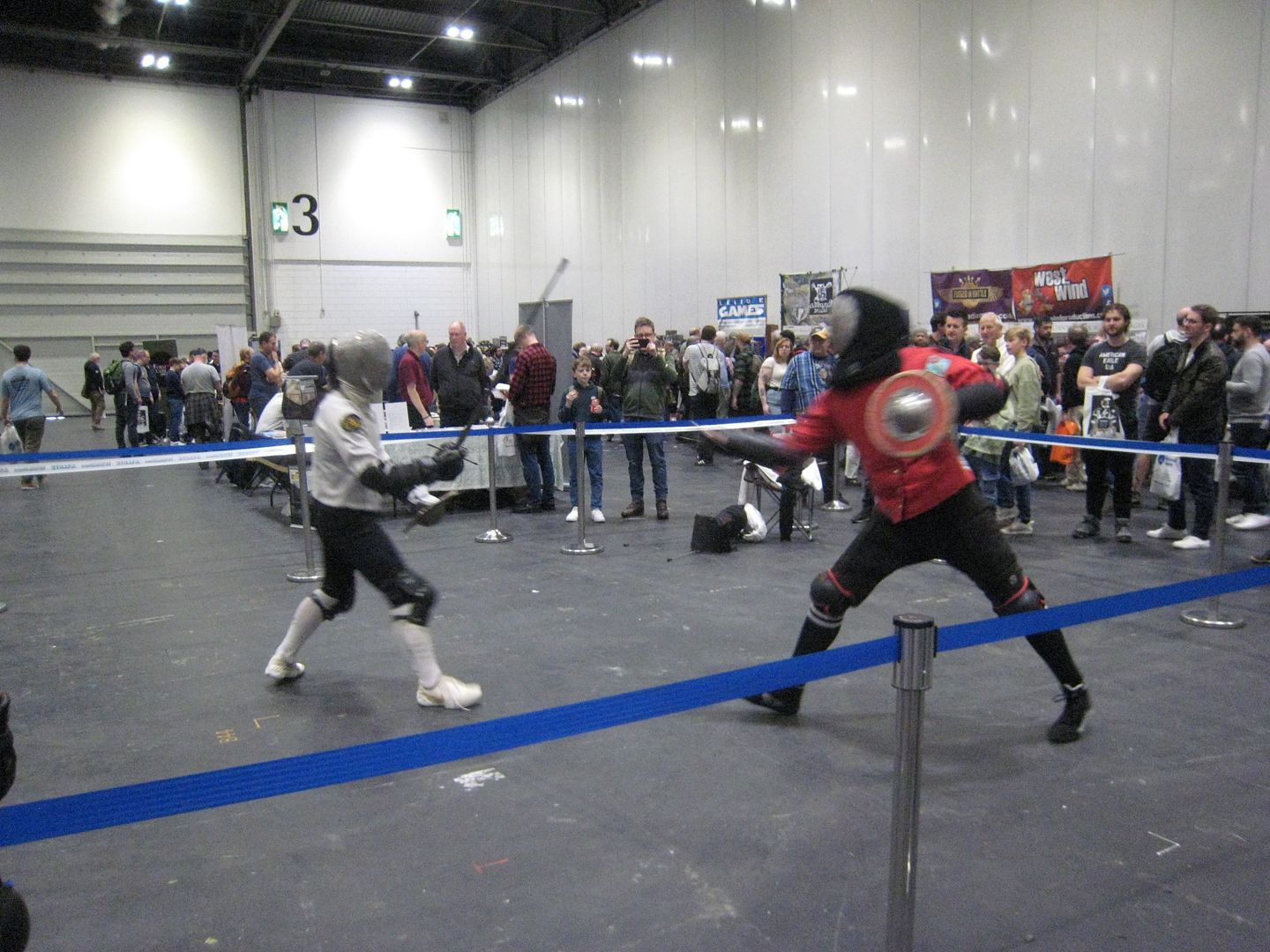
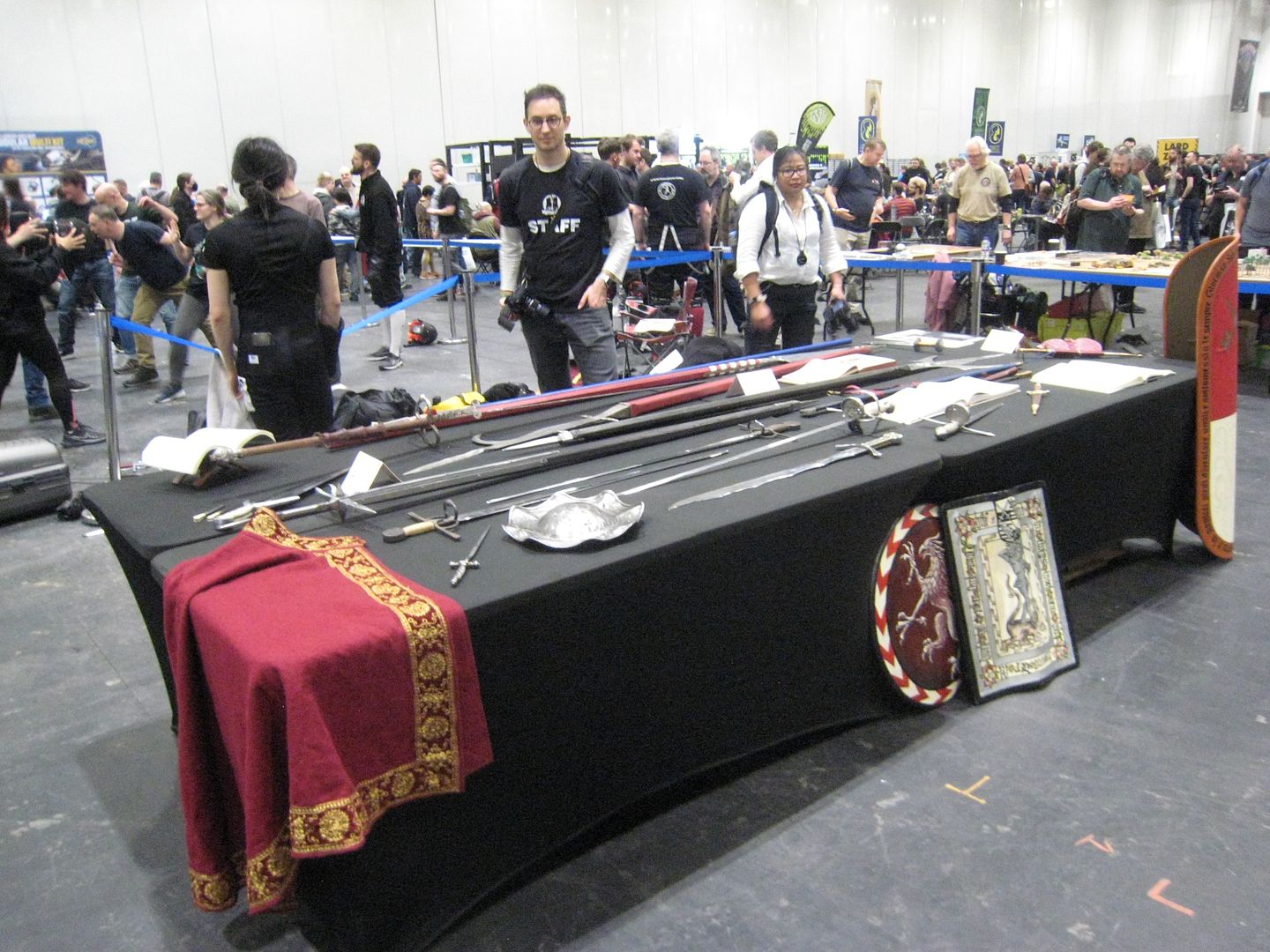
Salute 2013

By now, plenty of others have blogged about Salute and I don't really have much to add, certainly on the news front.  My immediate impressions on arrival were that the spacing and arrangements of tables was much better, creating more of a sense of space and providing wider thoroughfares.  I think the Warlords have cracked the venue now.  The advance tickets queue was, once again, enormous, although it did get us all in reasonably quickly.  I have felt for a couple of years that the Warlords should sell a smaller number of these tickets, and I heard one of the ushers make this point to the people behind me in the queue.  General attendance seemed up; the number of games seemed down.  As always, there were several traders I'd never heard of and others I had expected but weren't there (where was North Star?).

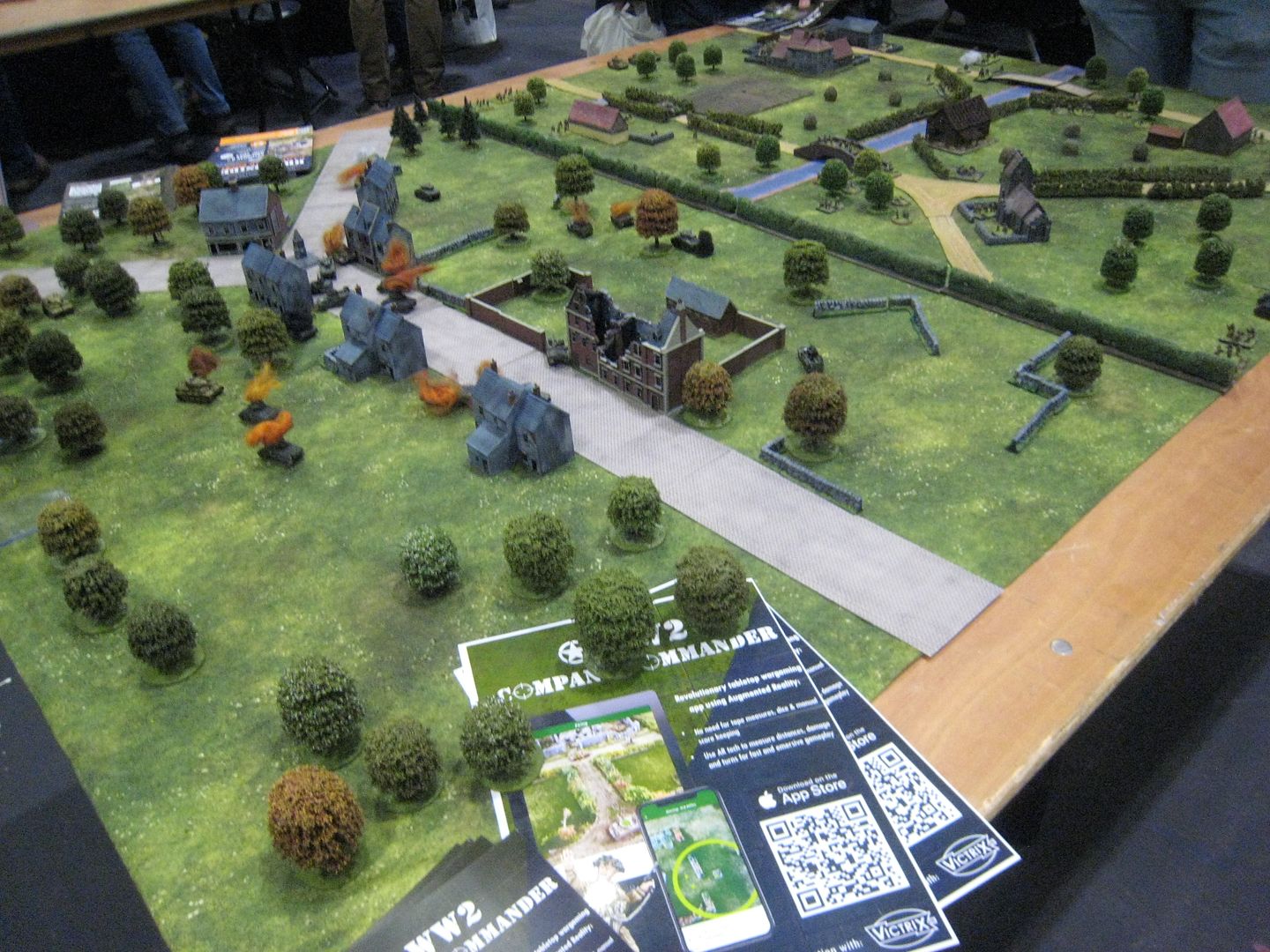
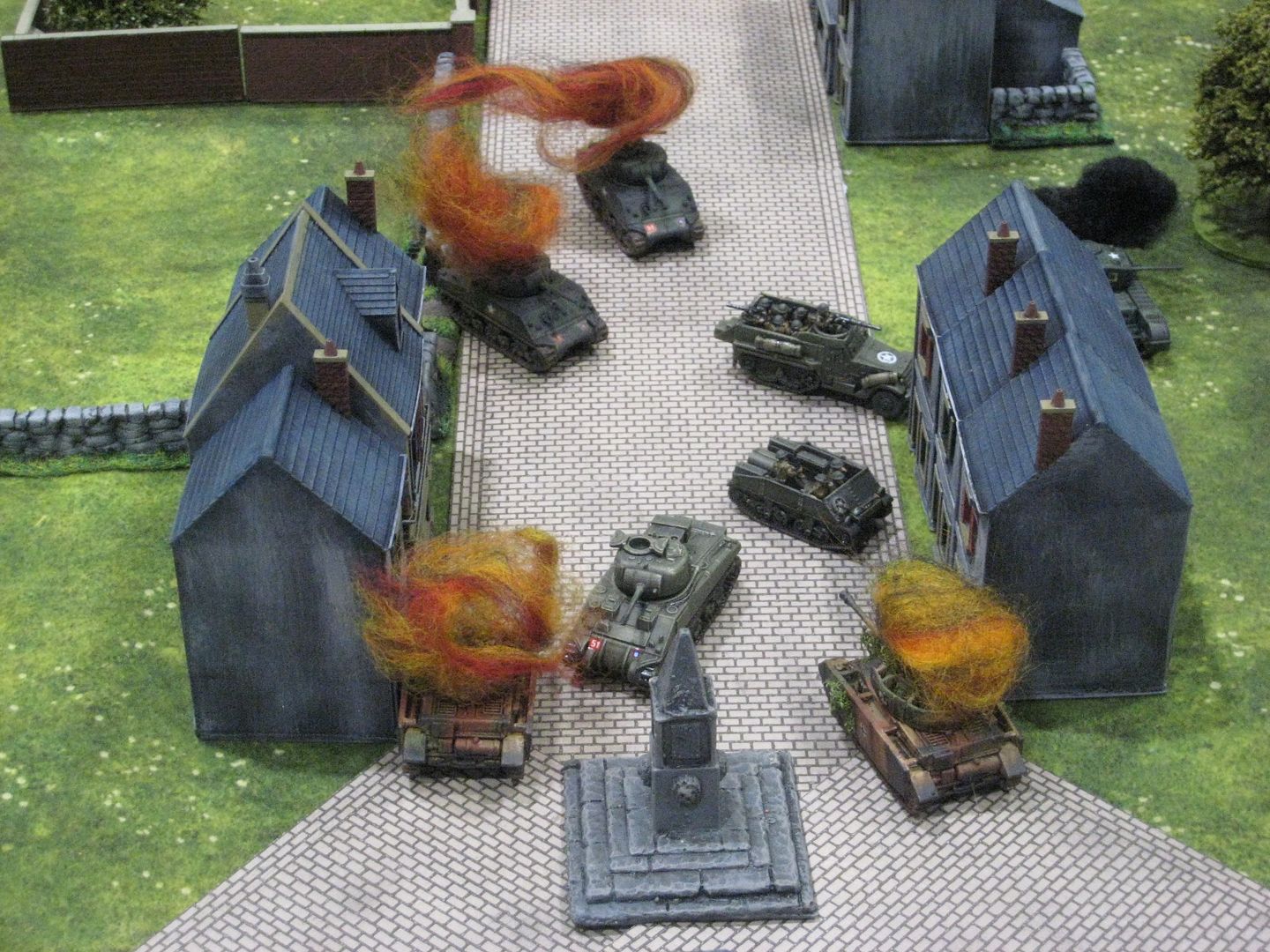
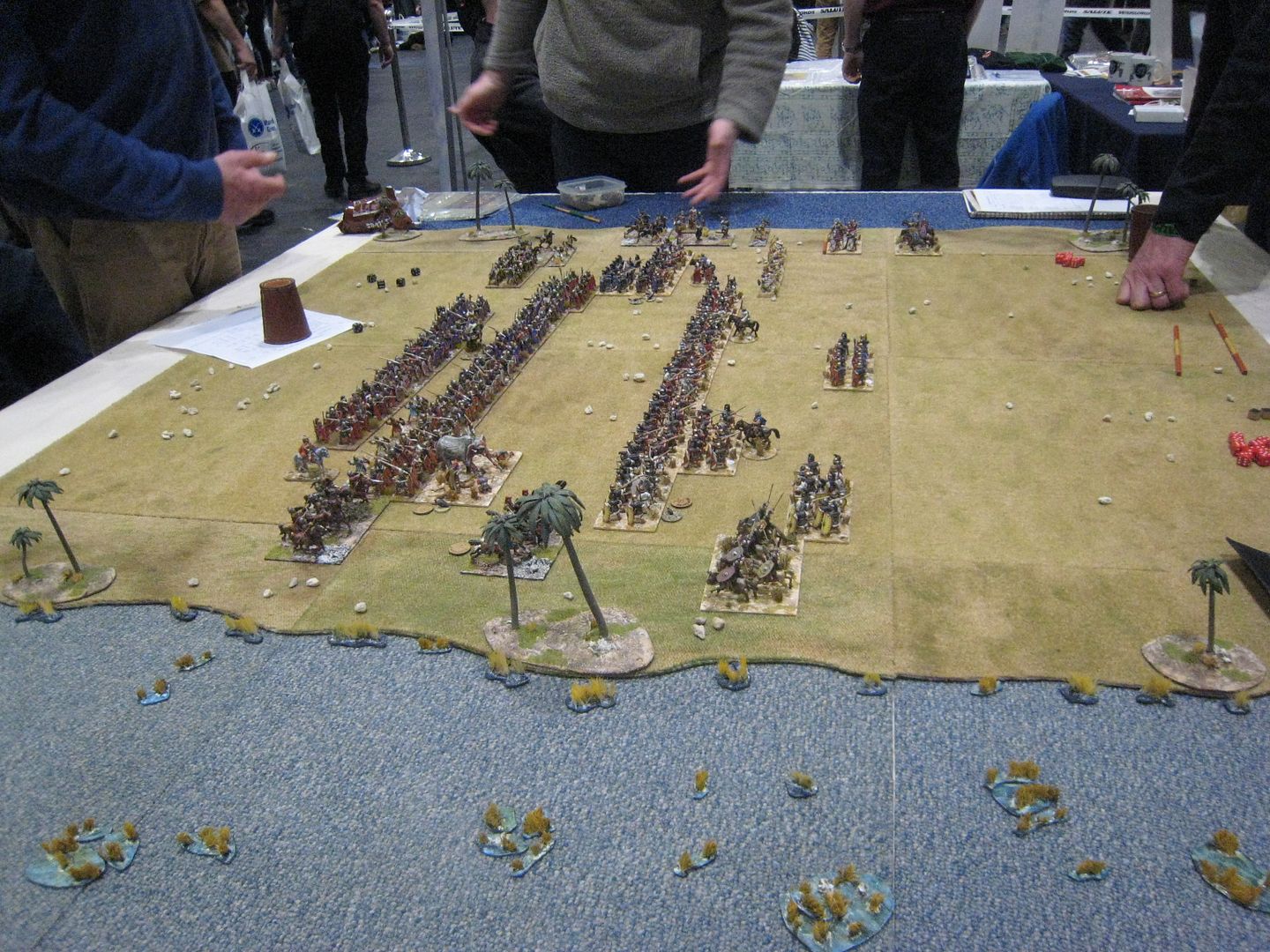
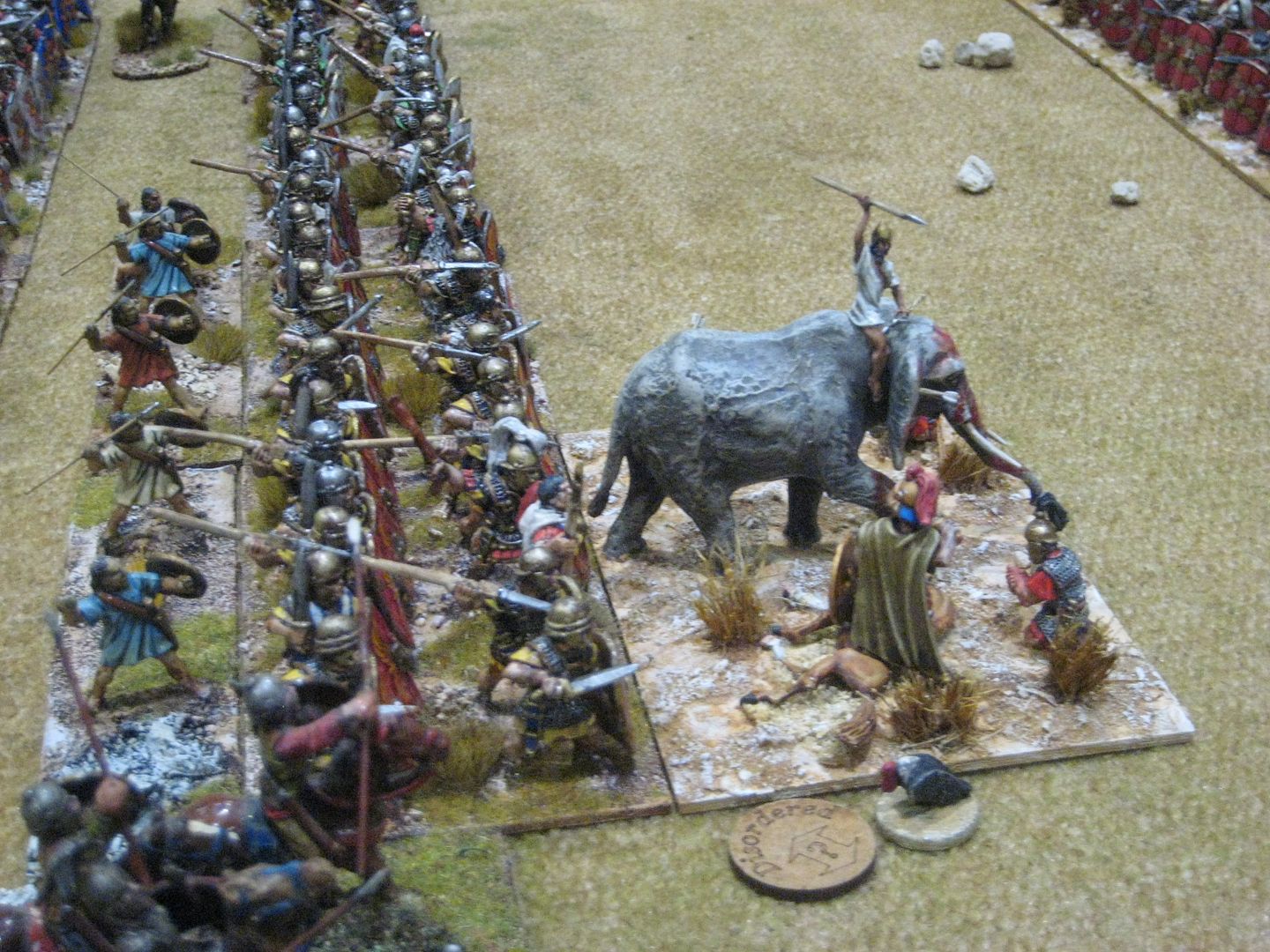
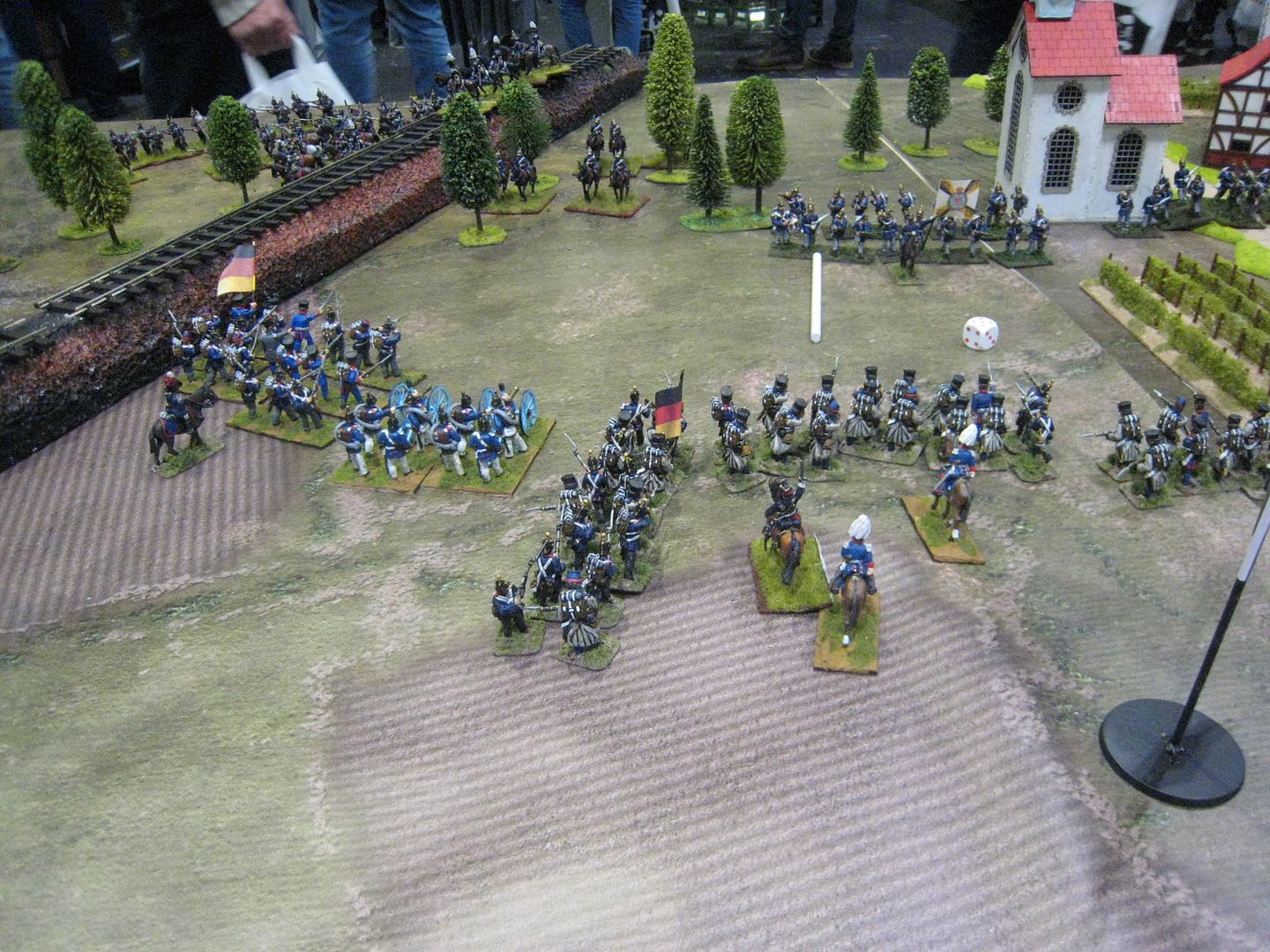
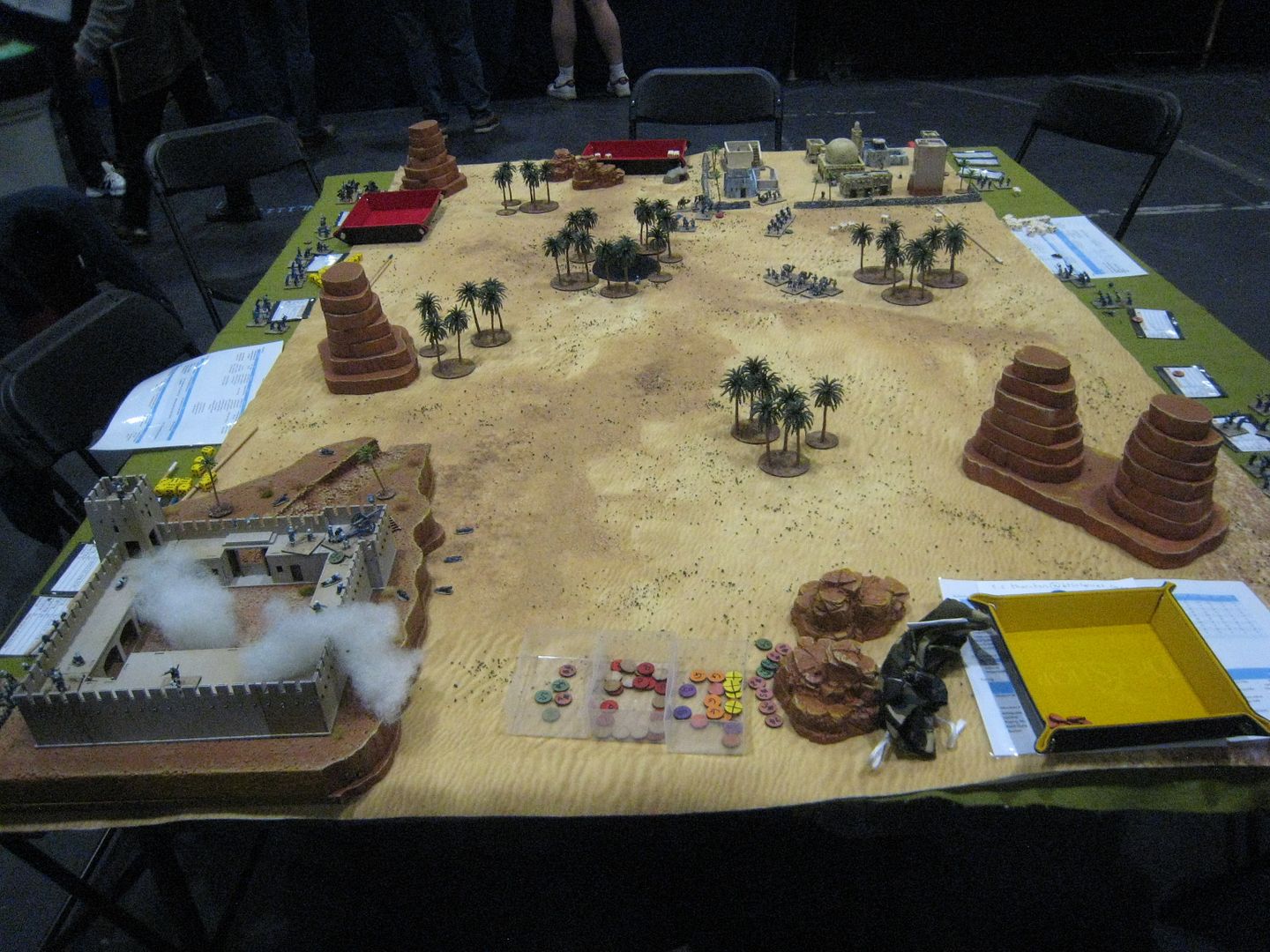
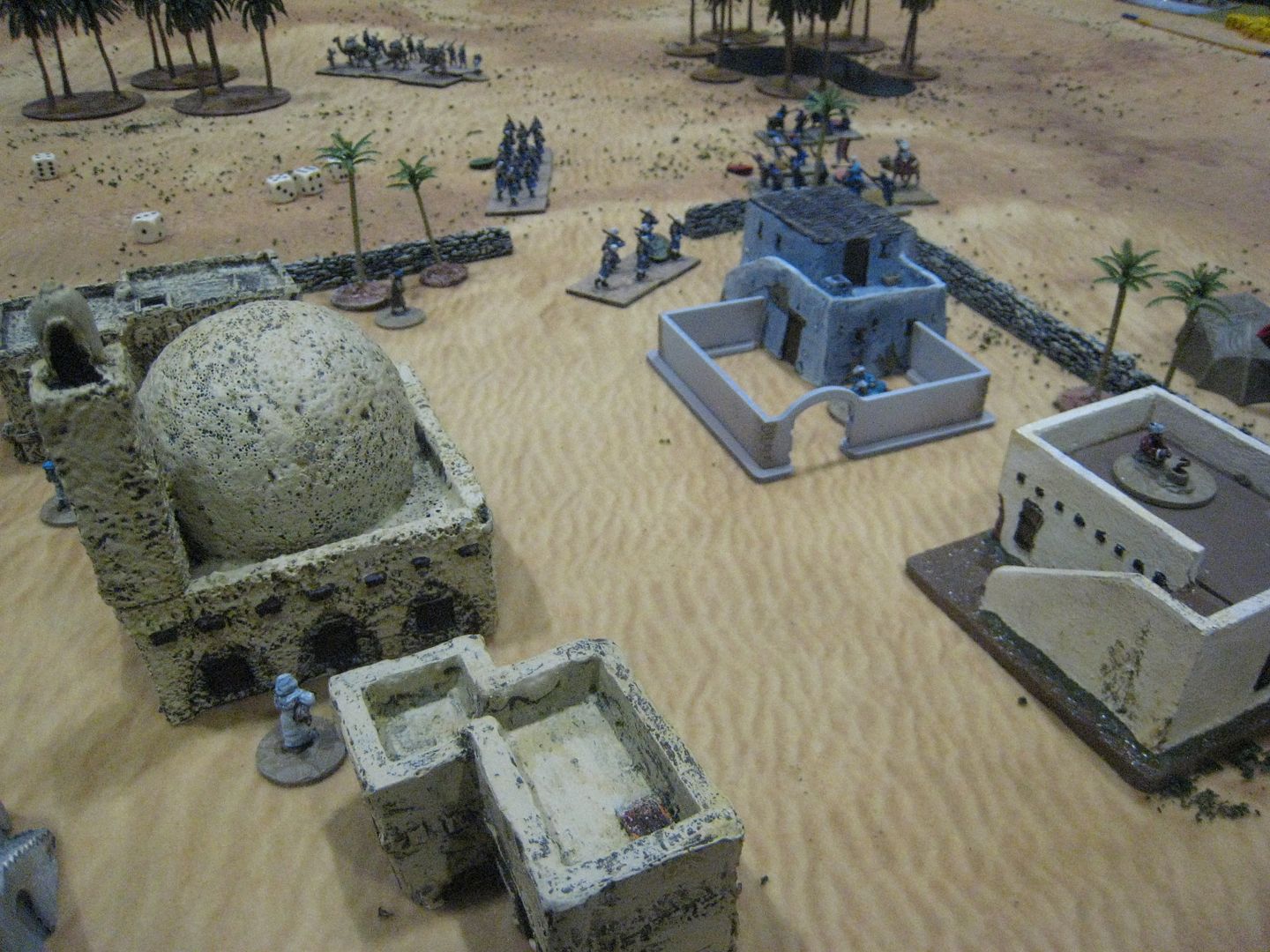
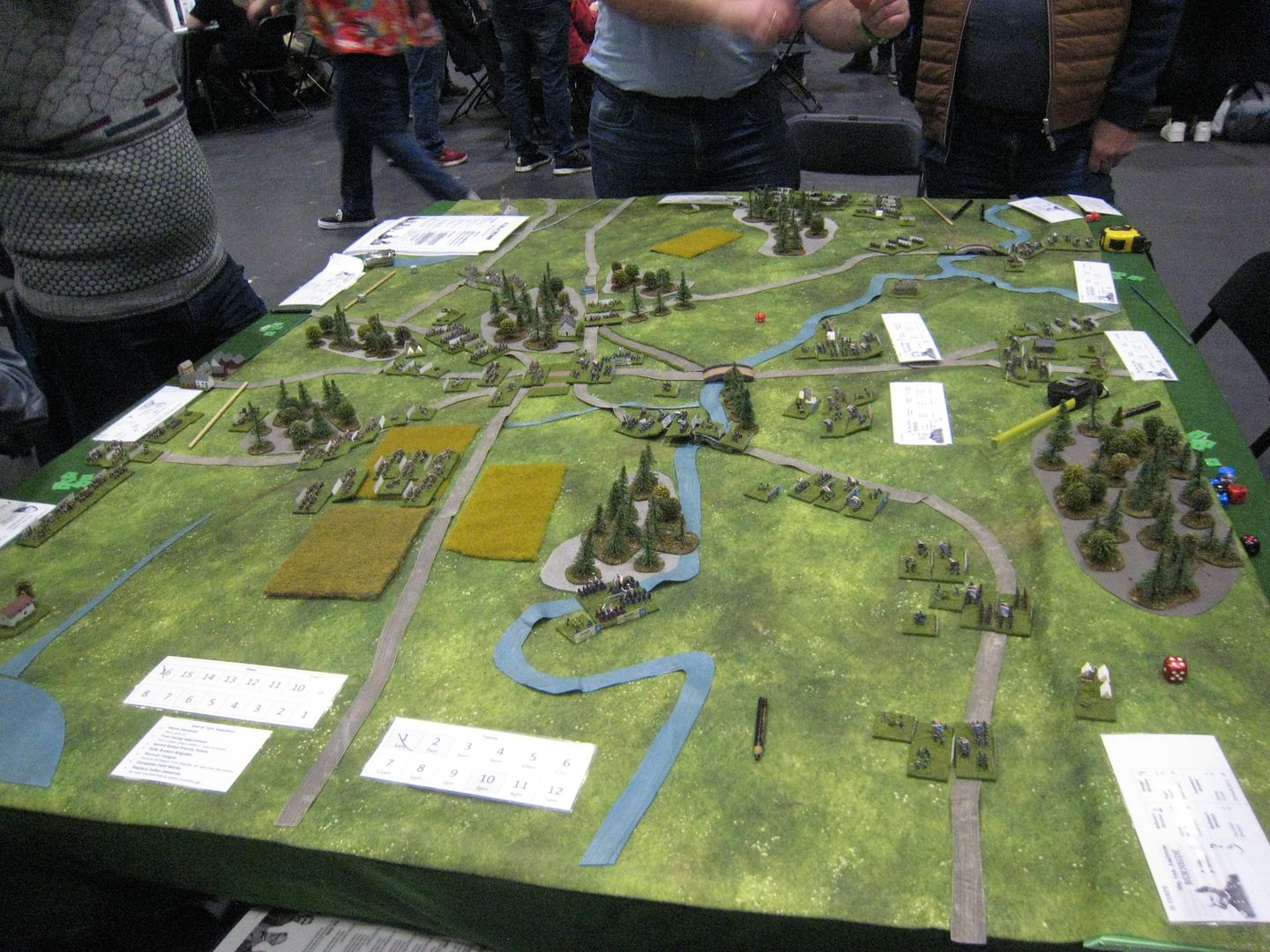
I felt (as did some of my companions) that the "wow factor" in the demo games was rather lacking - that's not to moan about what I know is a huge effort from anyone who goes to the trouble of putting on a game at Salute, but simply a subjective view.  With a couple of exceptions, the historical games seemed smaller and less ambitious than usual; and there were some I'm sure I'd seen before, either last year or the year before (probably because they are essentially adverts for particular products).   Also, and again with a couple of notable exceptions, there was the familiar fare of WW1, WW2, Dark Ages, ACW and Naps (plus masses of sci-fi and fantasy).  I know those are the most popular periods, but again there seemed a lot that was familliar or just a different take on something another club has done previously.  I'm not complaining - it's always a pleasure to see well-presented games; but in my view Salute can (and should) be pushing the boundaries in terms of presentation and periods and I thought this year was a little flat.  Perhaps this is just what happens when you hit middle-age...

I've also found that over the past 3-4 years I've spent far more time socialising than viewing and shopping.  I'm very happy about that, and enjoyed catching up with several internet and "real-life" chums.  I do enjoy wandering around the games with someone else, especially if their idea of wargaming aesthetics is similar to mine, and this year I did the rounds with another blogger, Malcolm Rose (also a Napoleonic expert and wine importer).  There were a few people I missed "bumping into", such as Legatus Hedlius, who I've never managed to meet at a Salute despite him being one of the tallest wargamers I've ever met and so hard to miss! (And why is it that you always "bump into" those people you've specifically arranged to meet later?)  I enjoyed several glasses of wine with Malcolm and some mates after the show, committing the school boy error of drinking on a completely empty stomach. Ouch.  I caught up with Nic Robson of Eureka Miniatures, having missed him last year - he has some interesting AWI plans.

I exercised birthday boy rights to spend a bit more than usual this year without feel
ing guilty (I'm sure Hugo doesn't really want to go to university anyway, so there's no point in saving for it): the new NZ Wars figures from Empress; more AWI cavalry from Eureka; some Galloping Major F&IW settlers for AWI militia; latest editions of various mags (I congratulated Henry Hyde on his "reverse takeover" of Miniature Wargames); the Wargamers' Annual 2013; Warlord's new "Black Powder" Waterloo supplement (an indulgence - the Perry eye-candy was too good to pass up); the new scenario book for the First Carlist War (more on this in a few days); the latest Perry AWI packs; David Bickley's Indian Mutiny rules; lots of paints.  I felt that the price of metal figures seemed to have increased - I bought a few packs of 6 figures that were nudging £10; but then I was reminded that this is about £1.50 per 25mm figure and I suppose that's not excessive.  It does, though, remind one just how important plastics are now if you have ambitions beyond skirmish gaming.

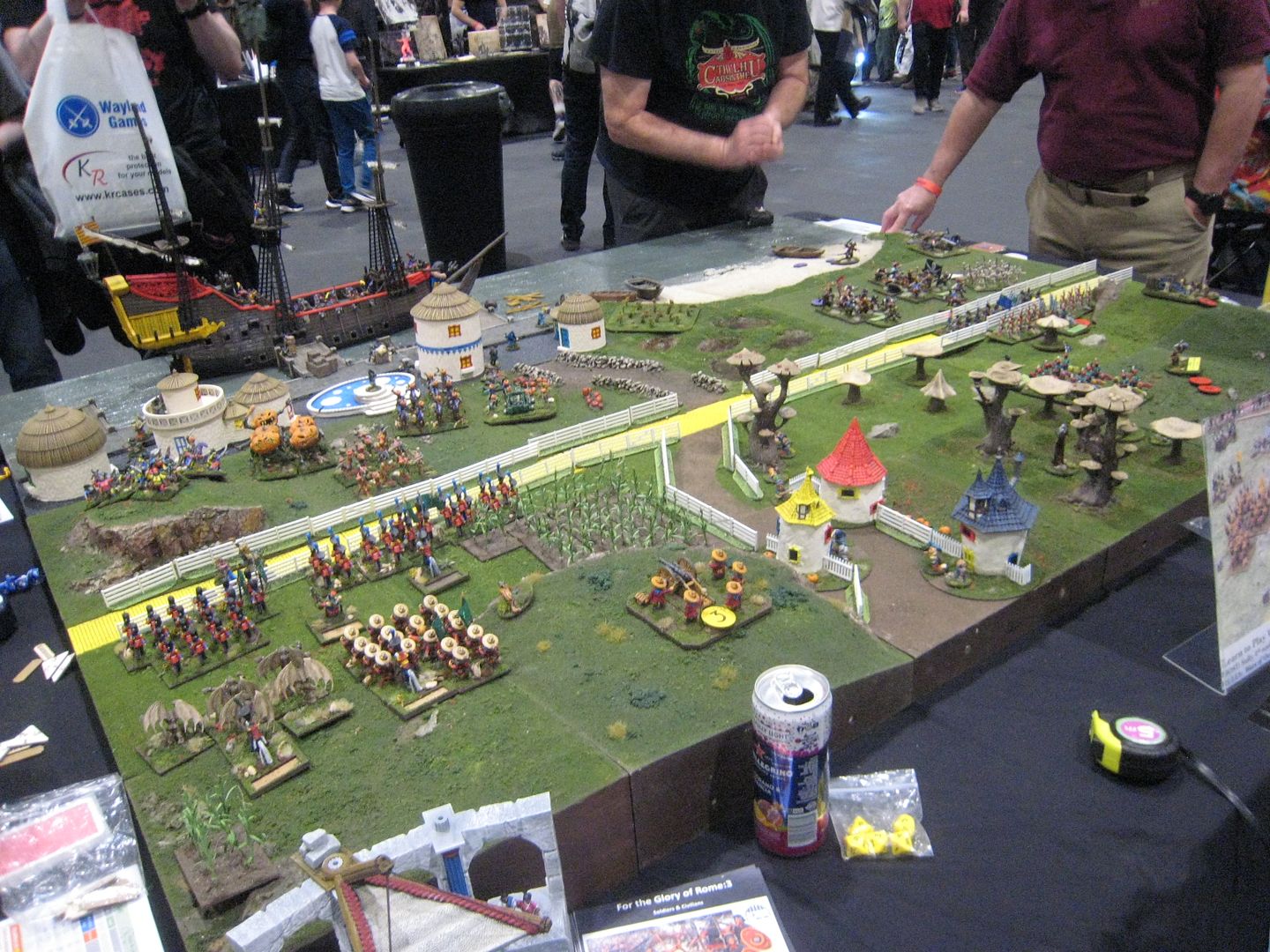
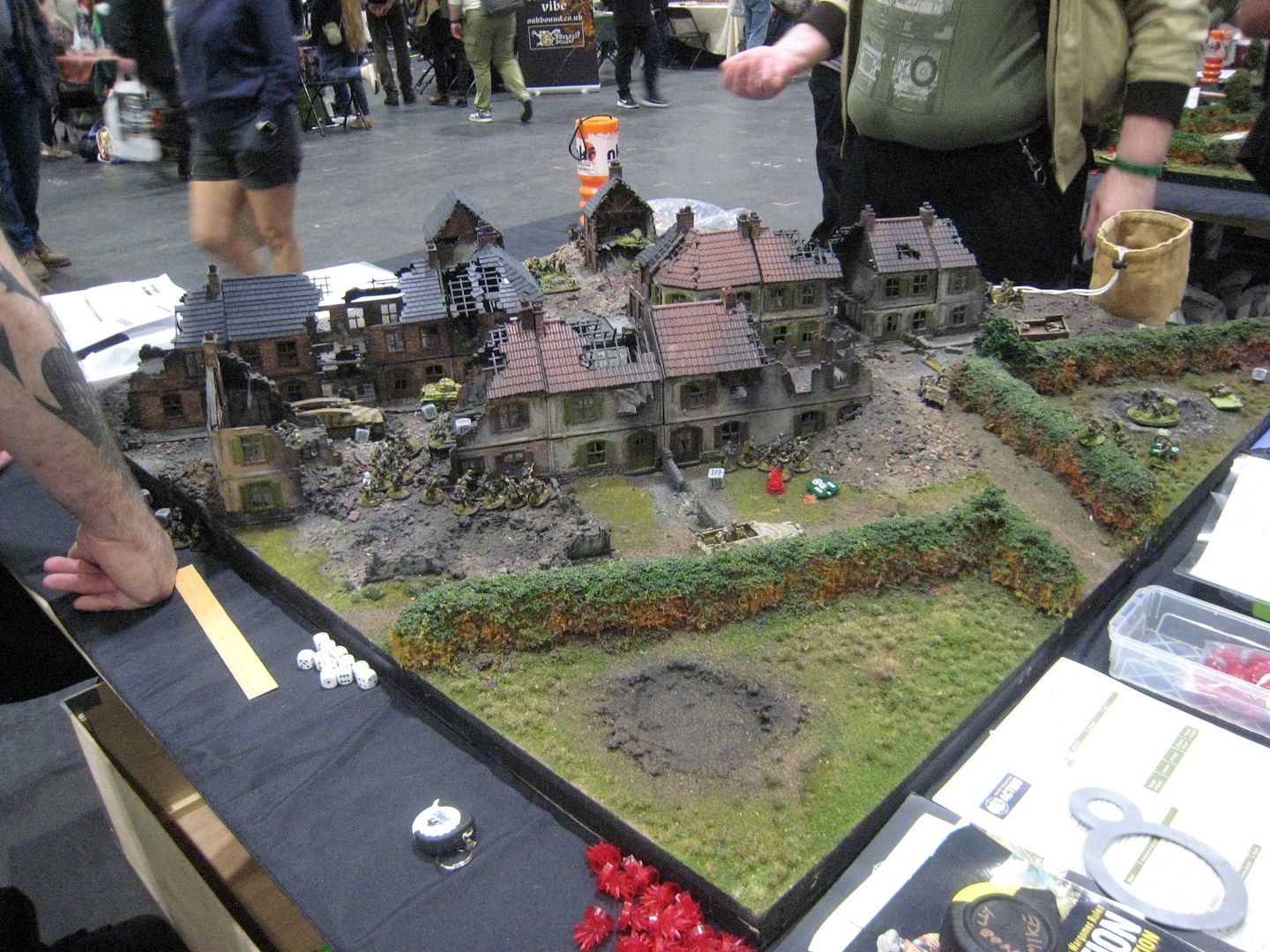
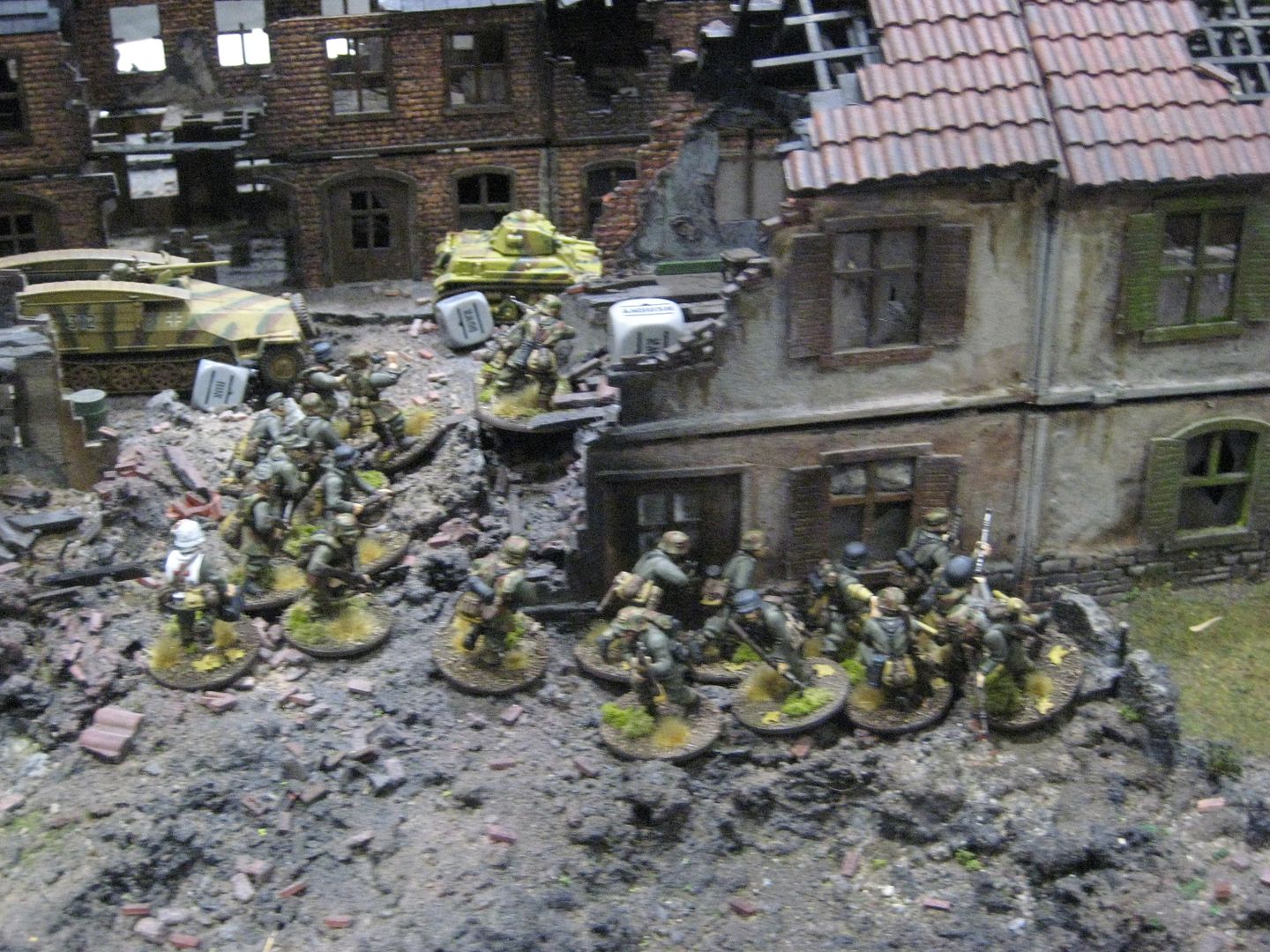
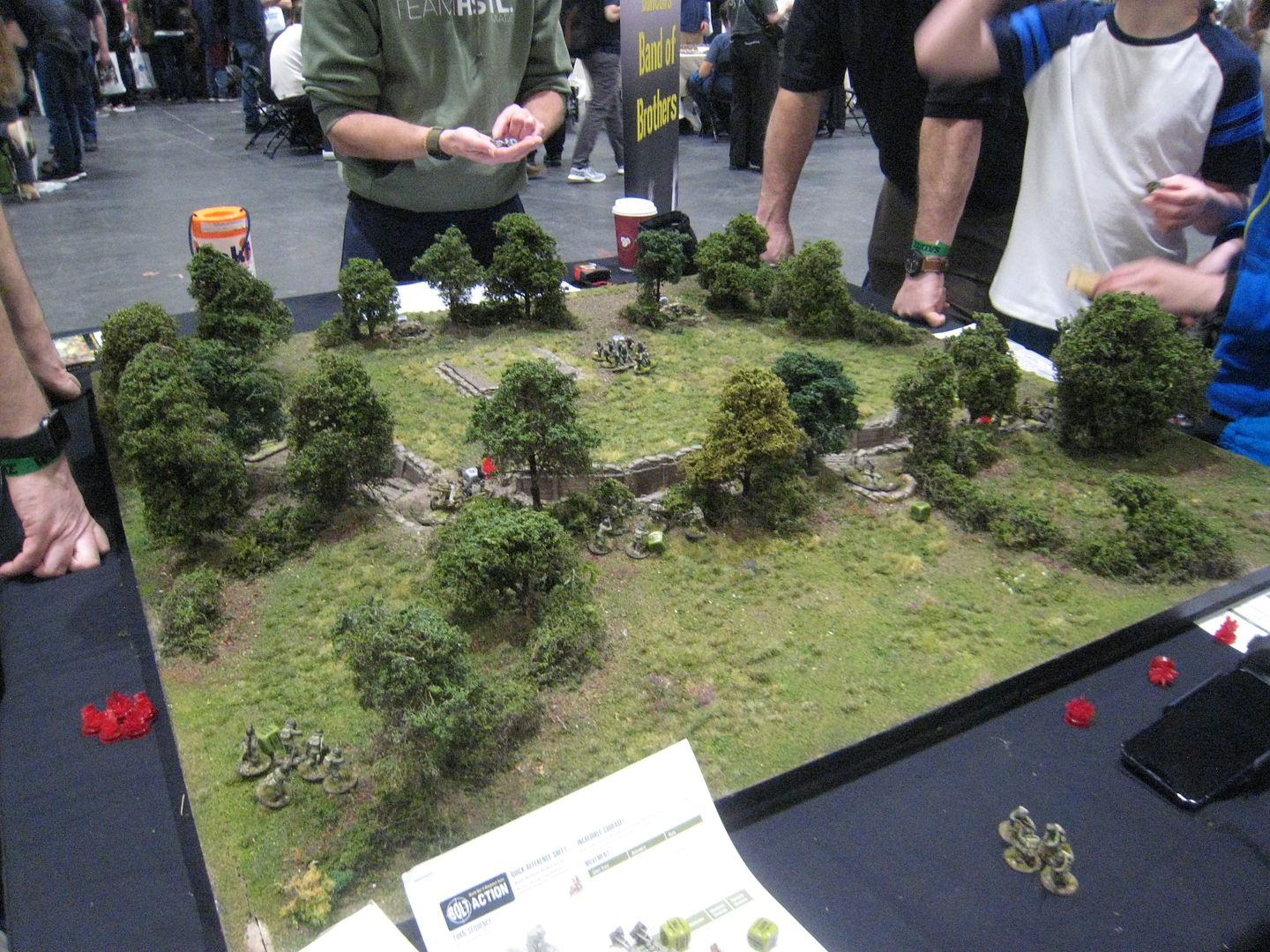
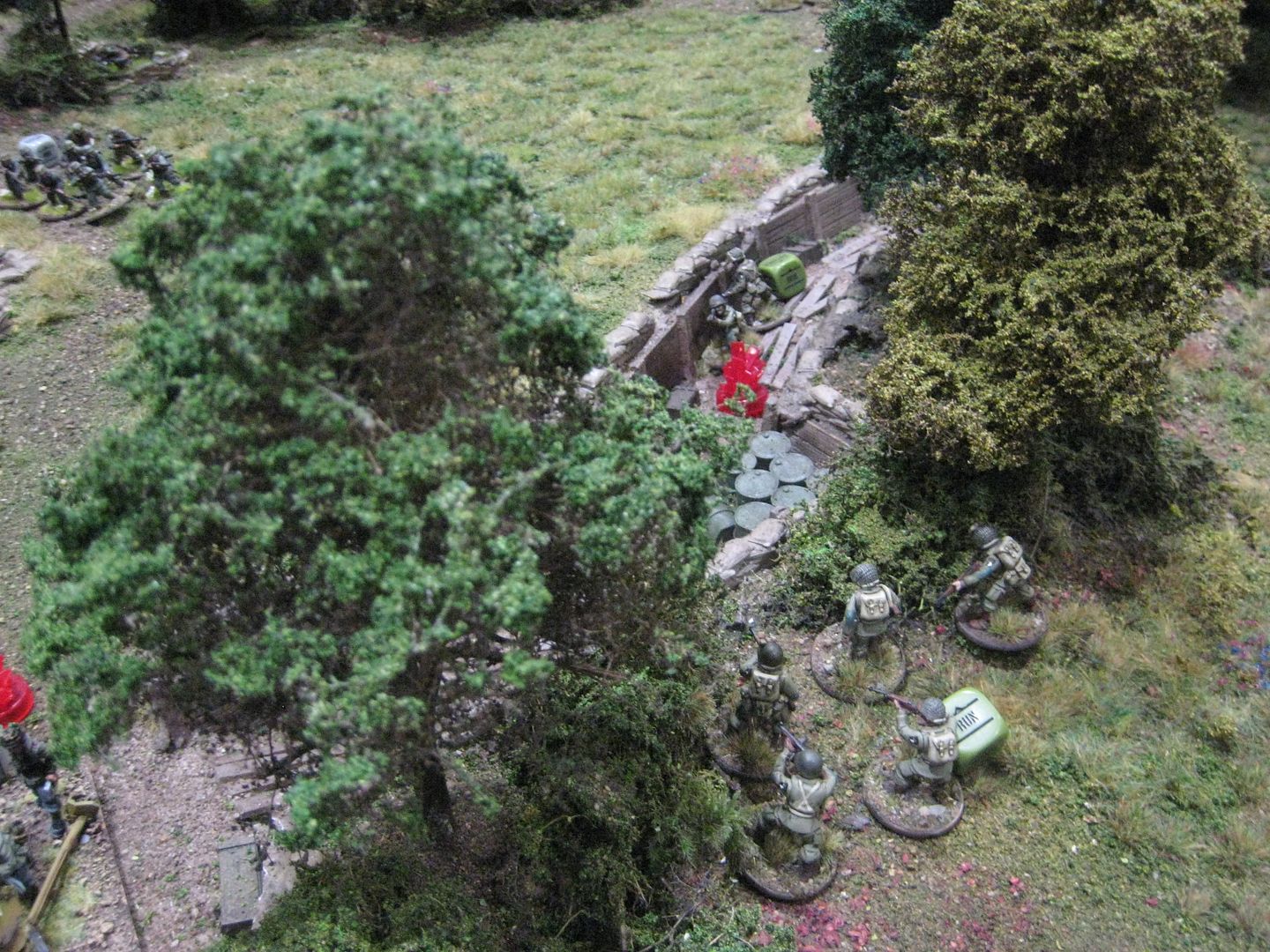
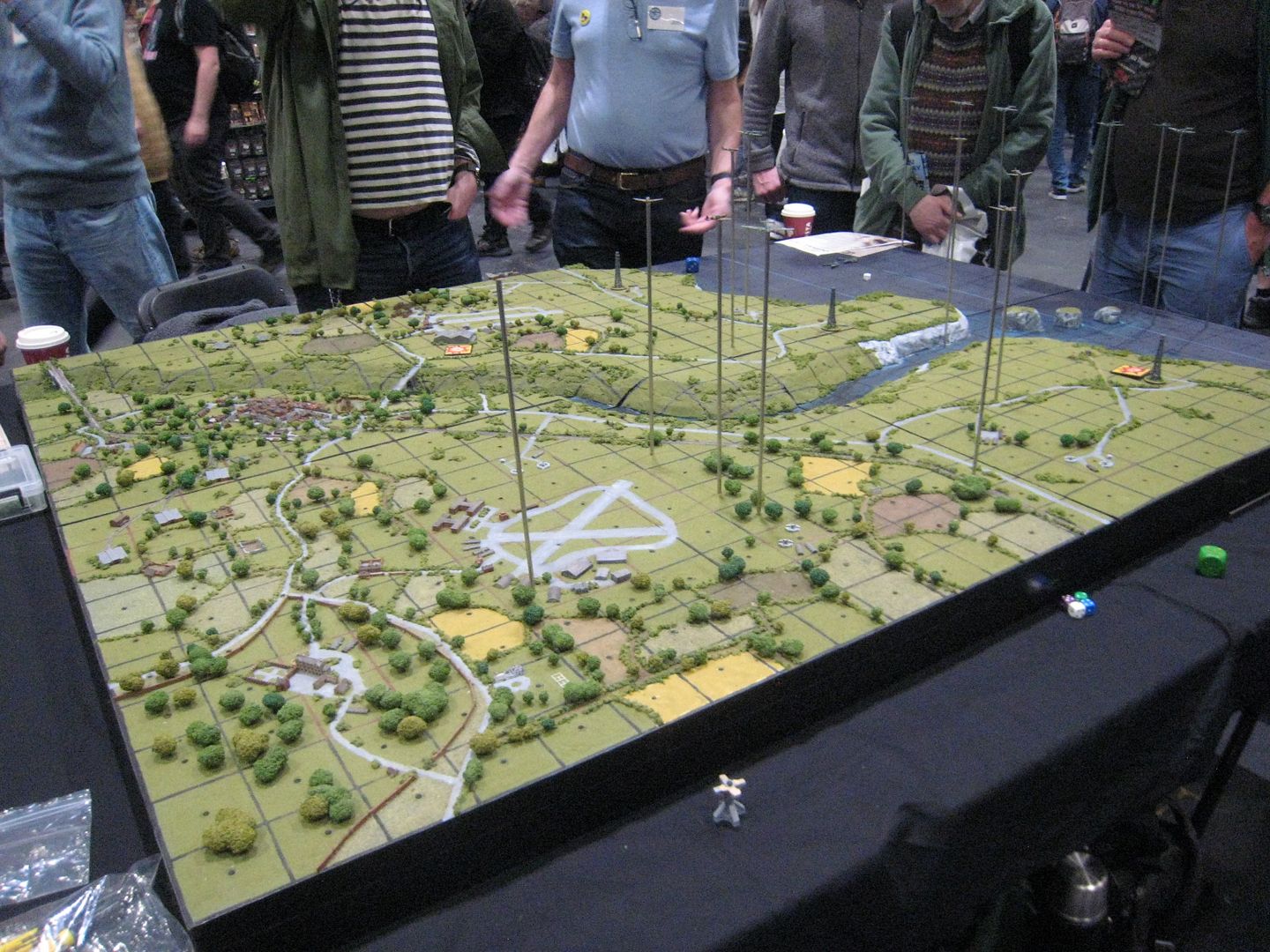
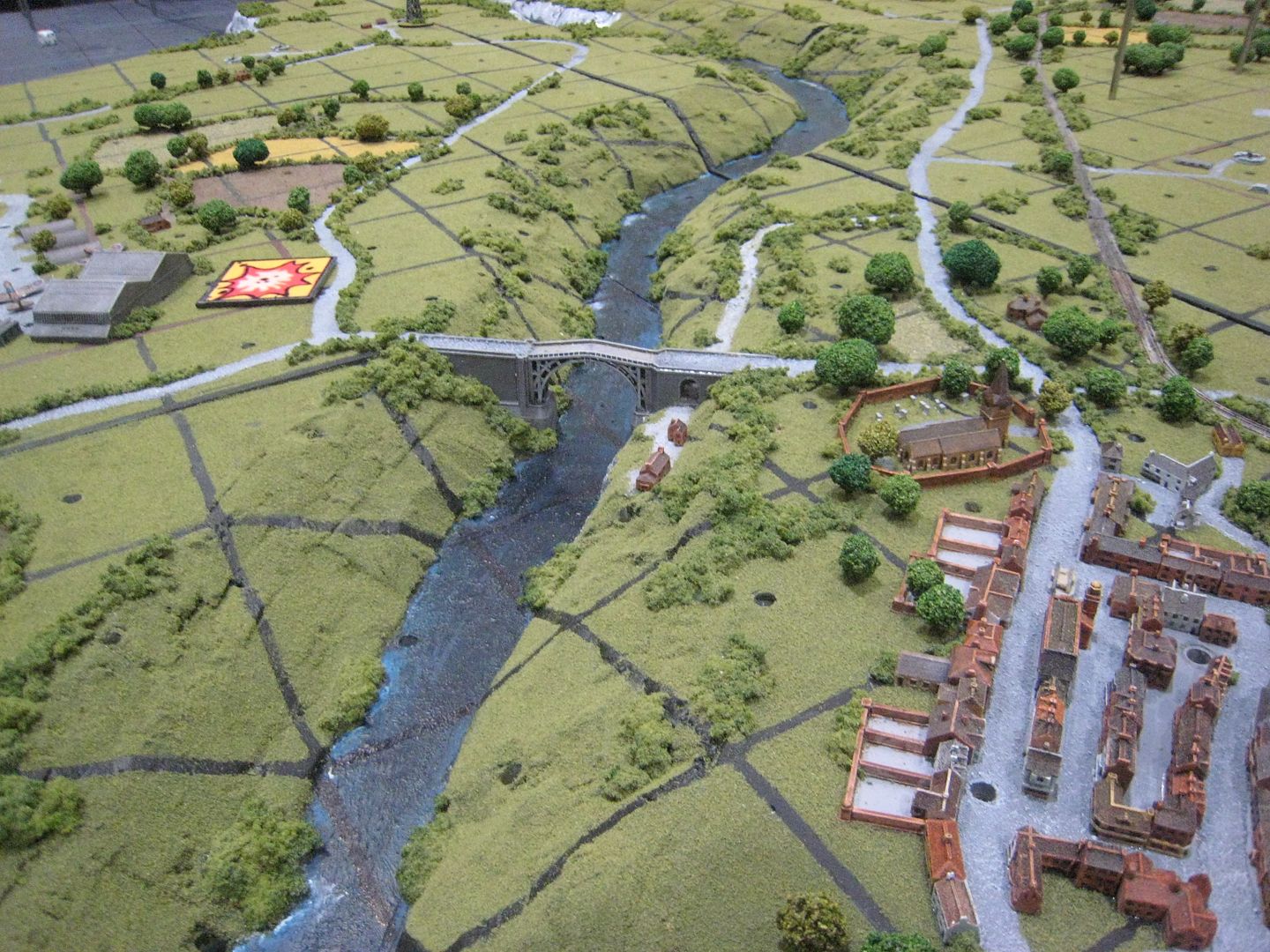
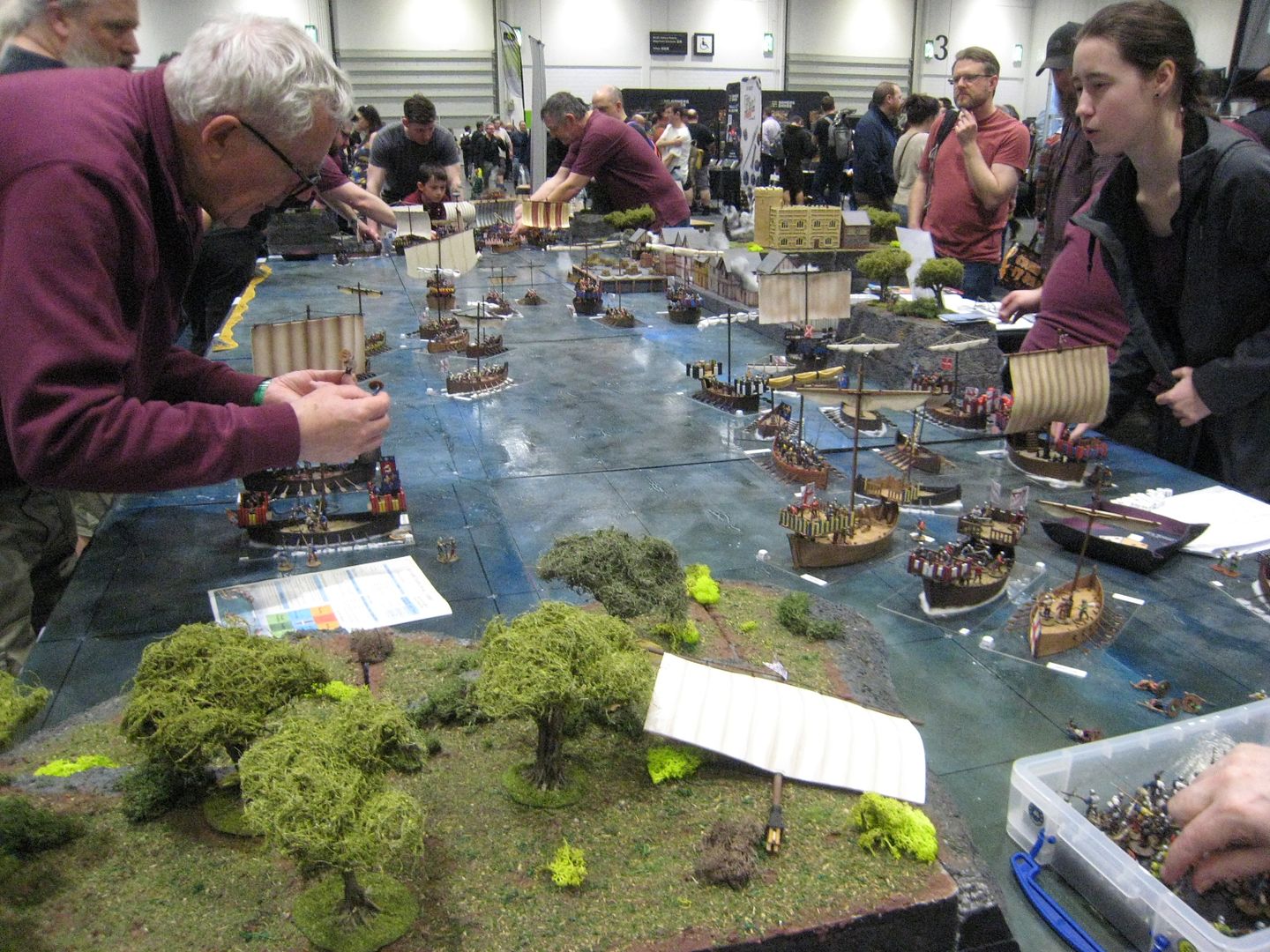
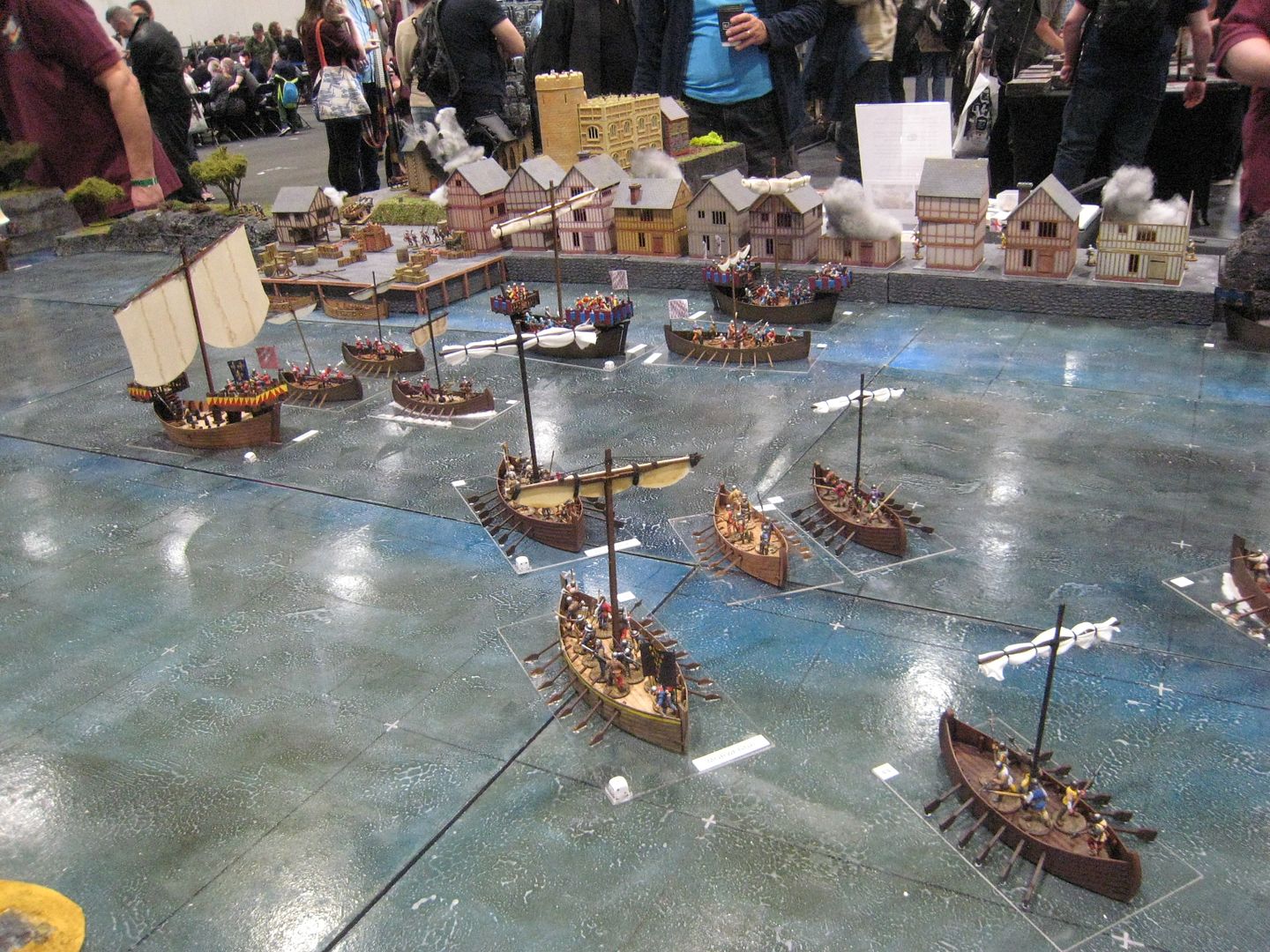
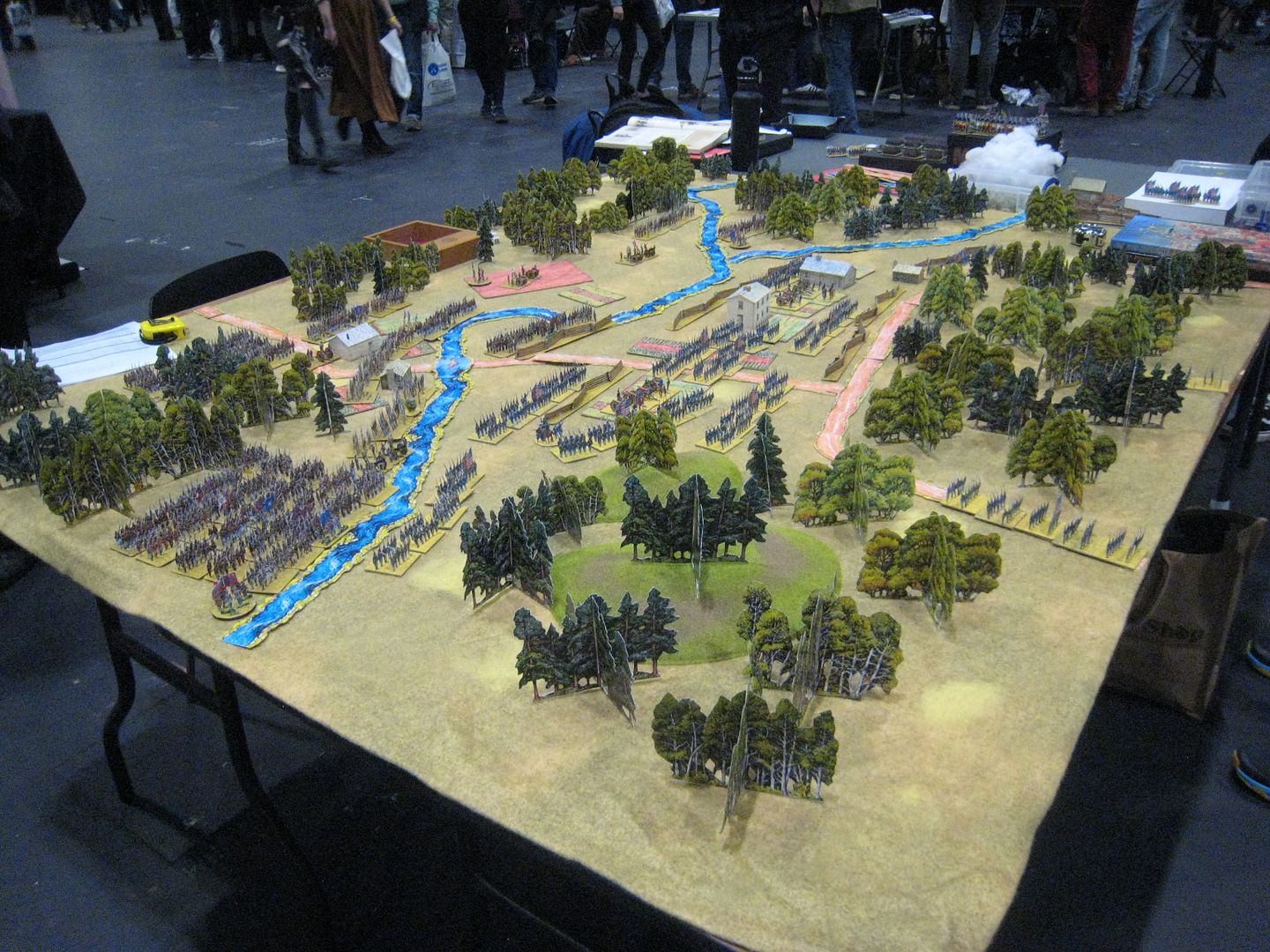
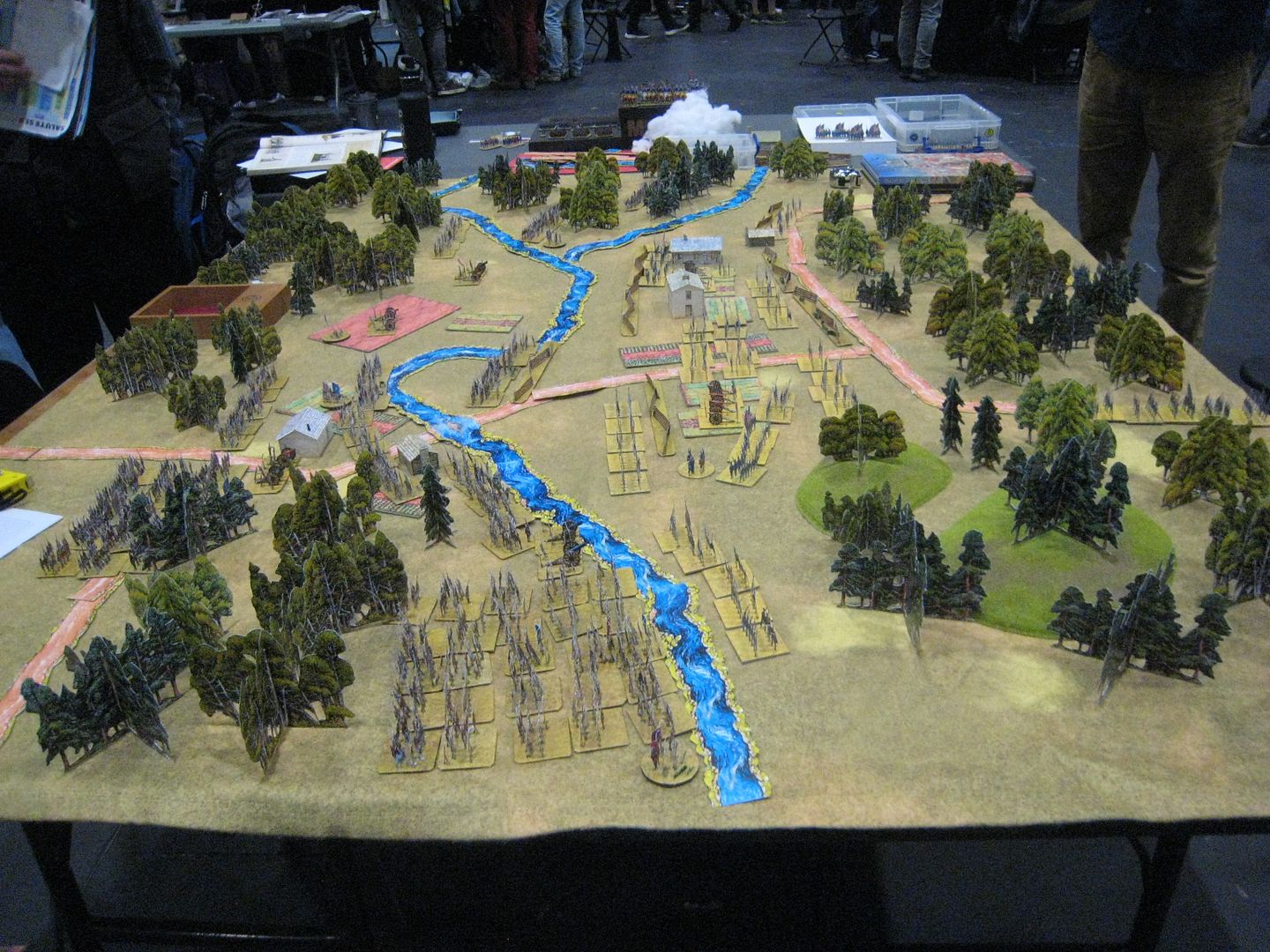
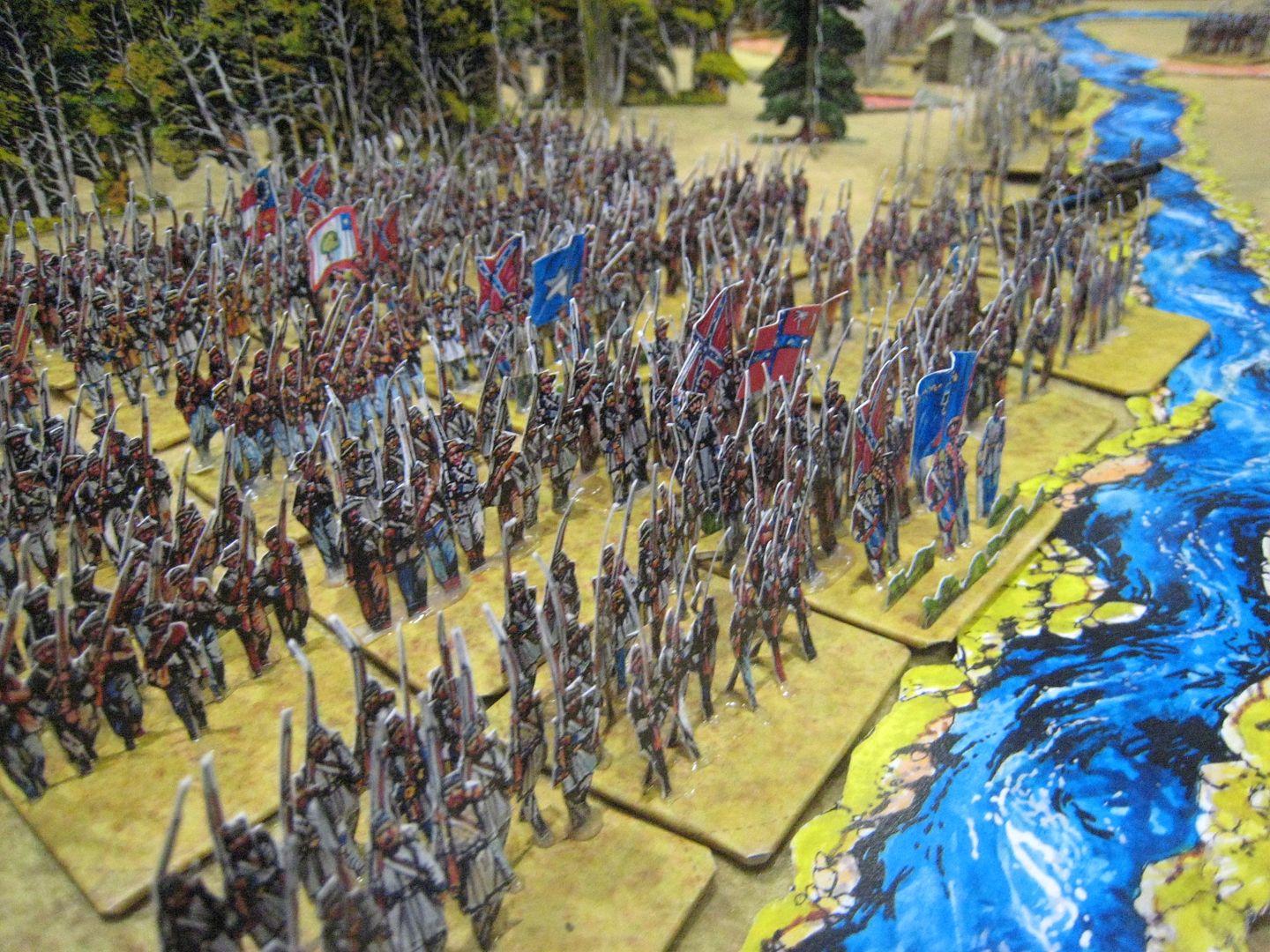
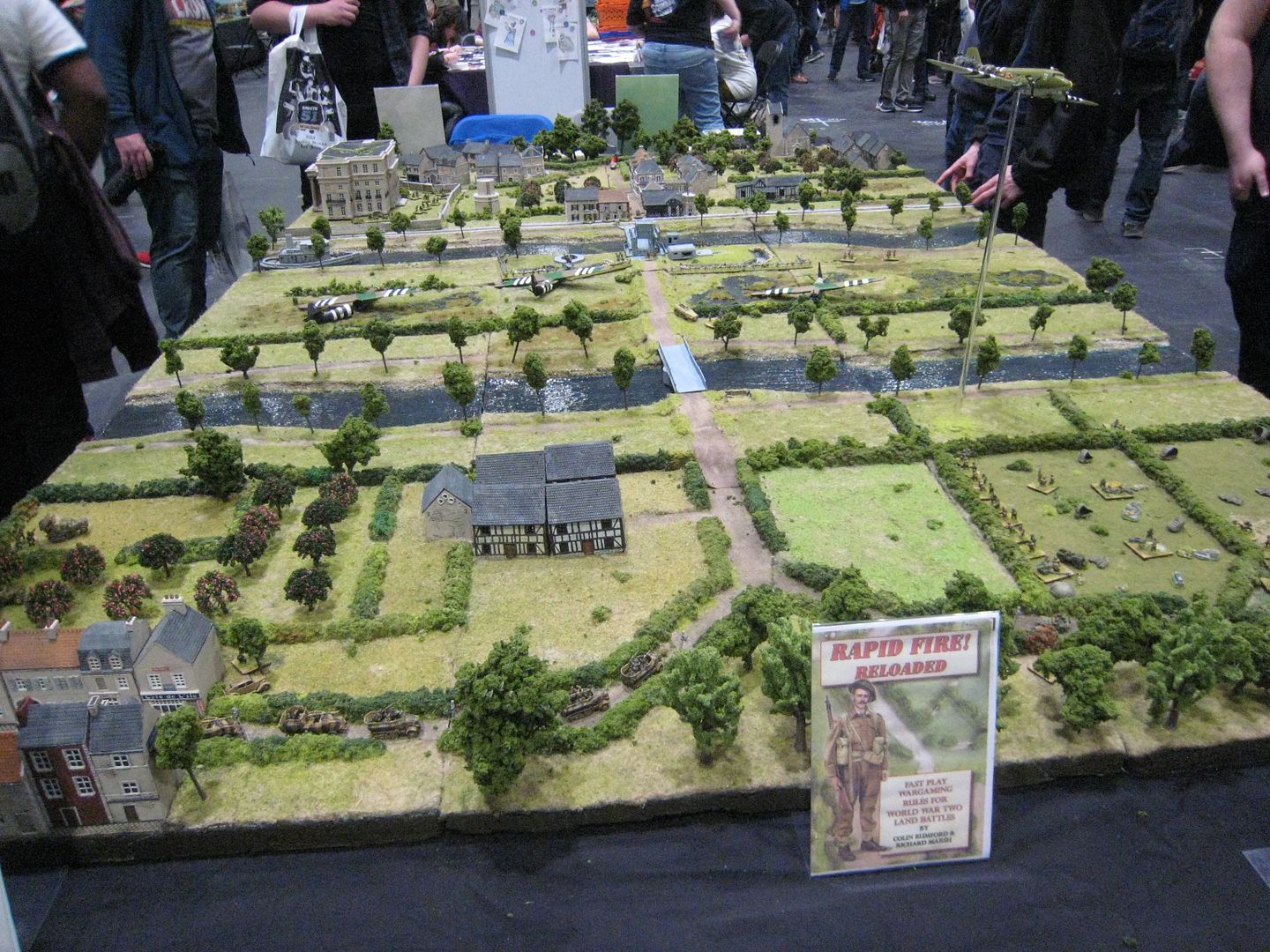
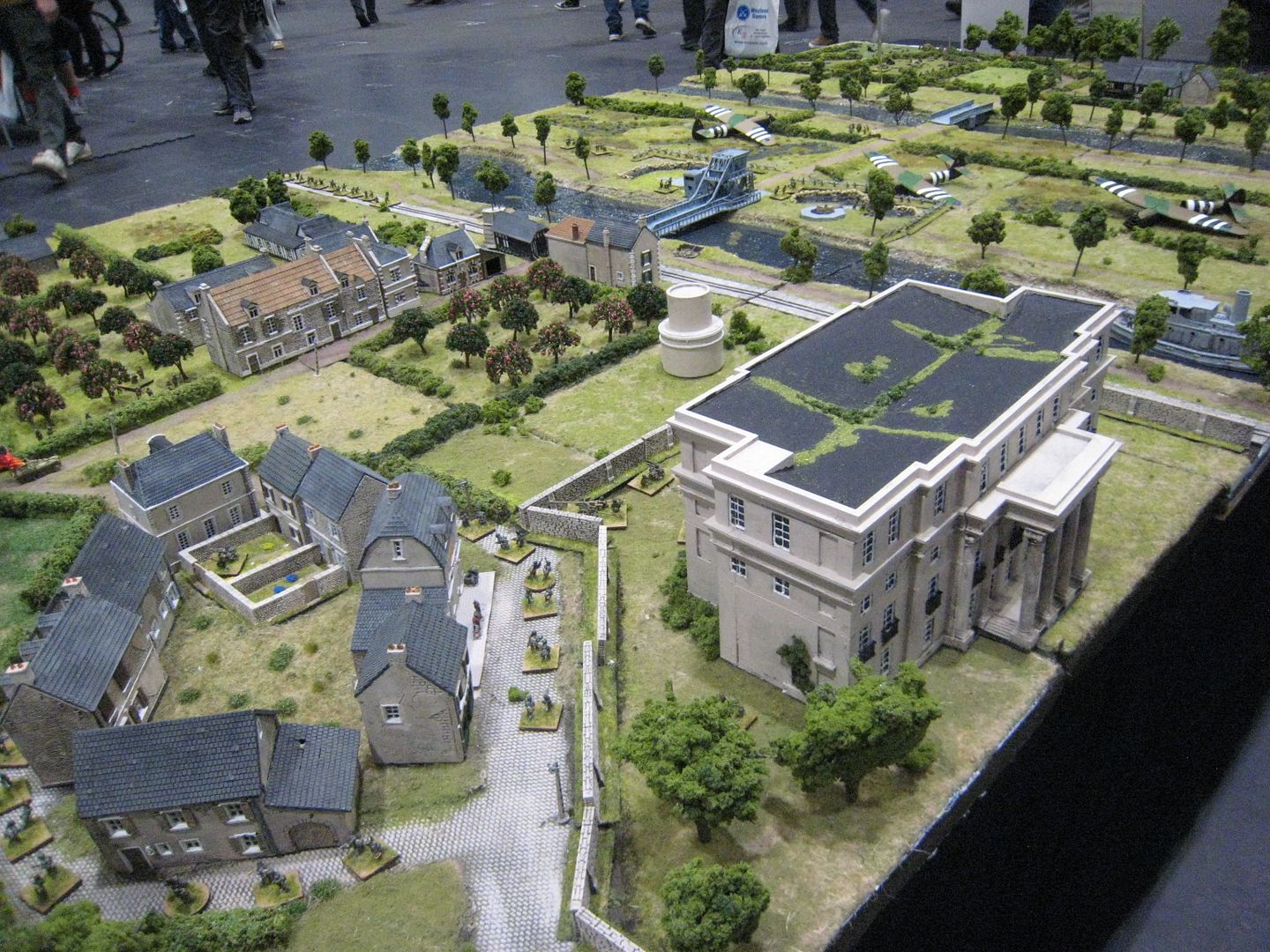
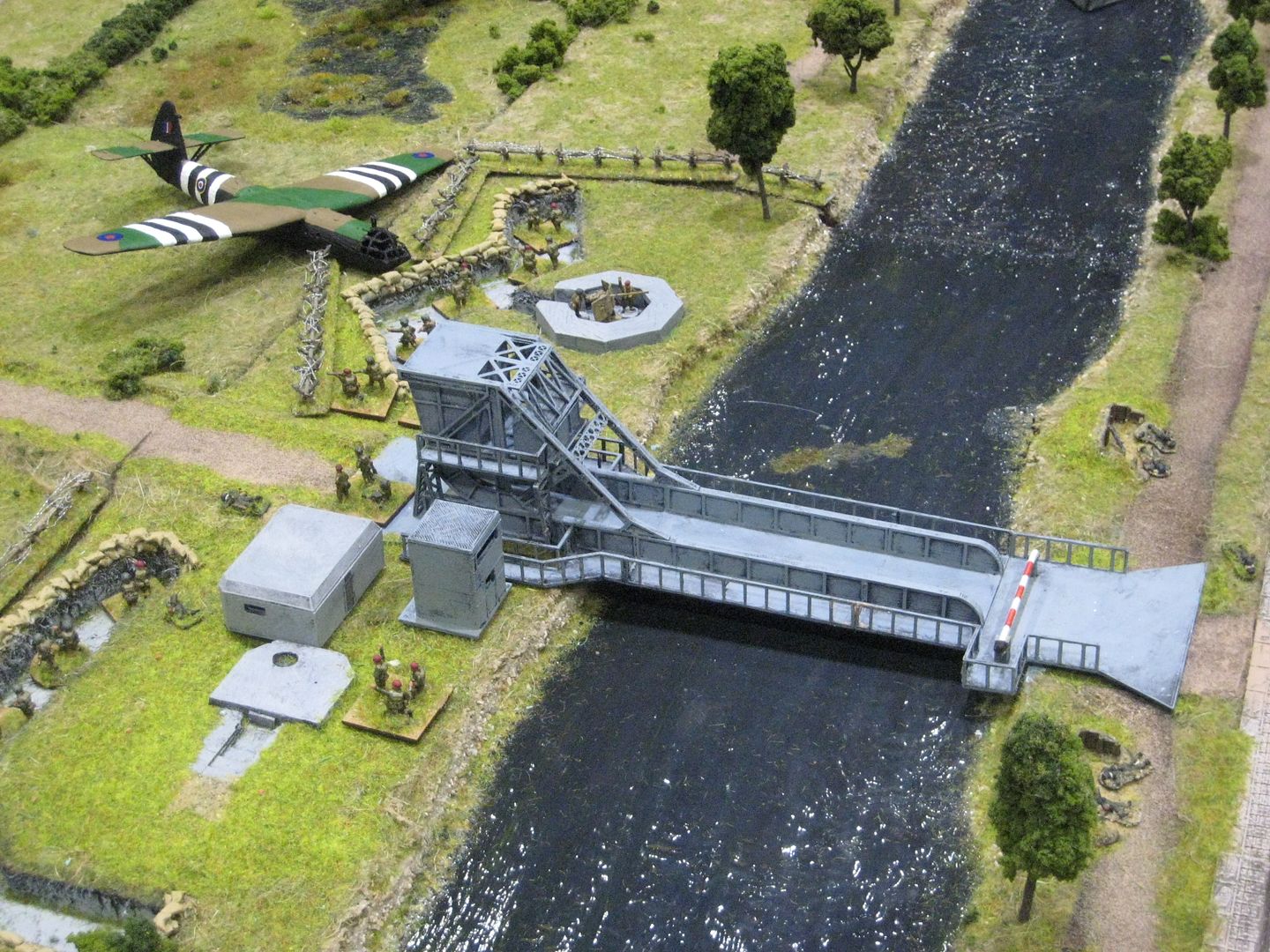
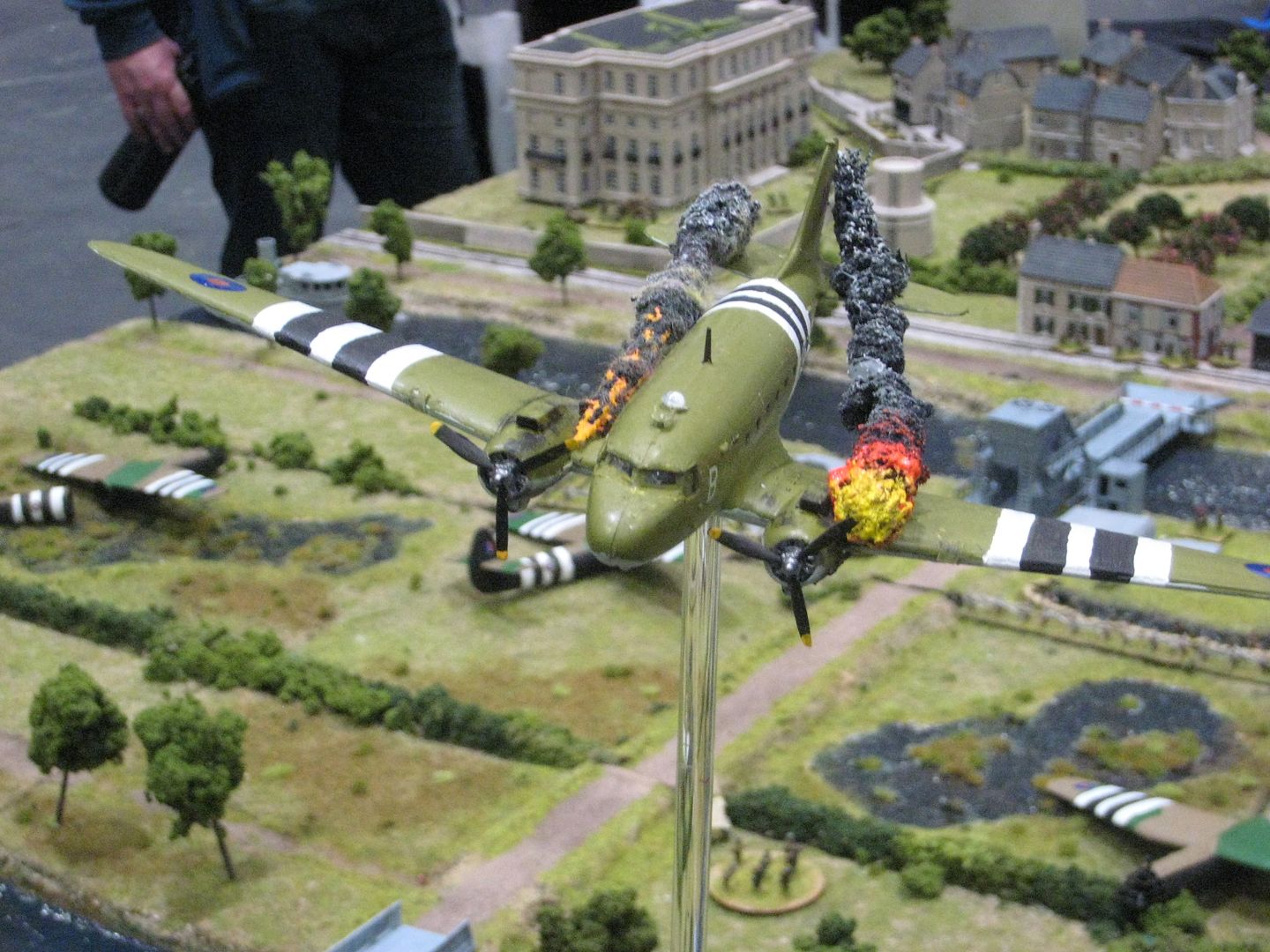
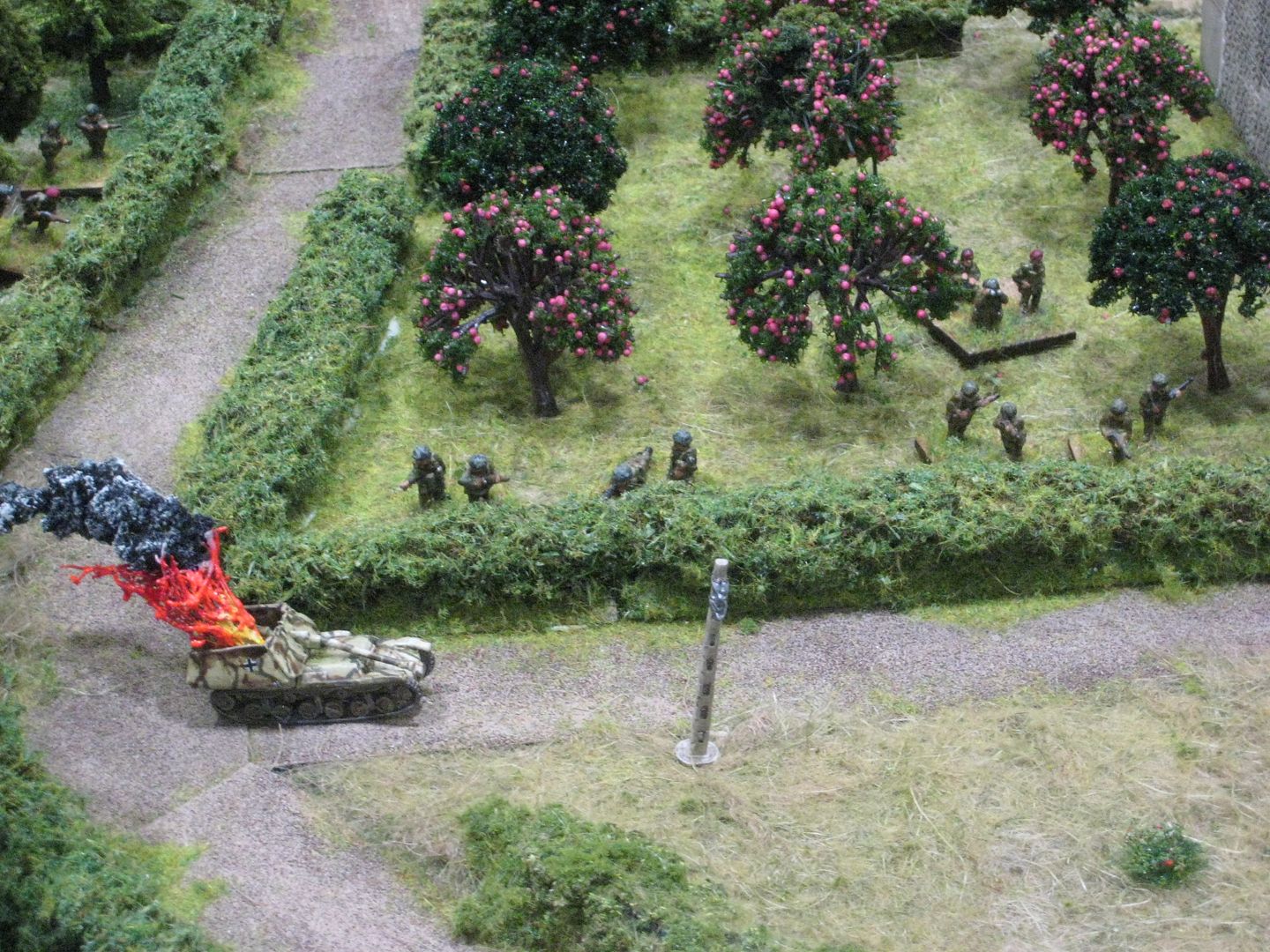
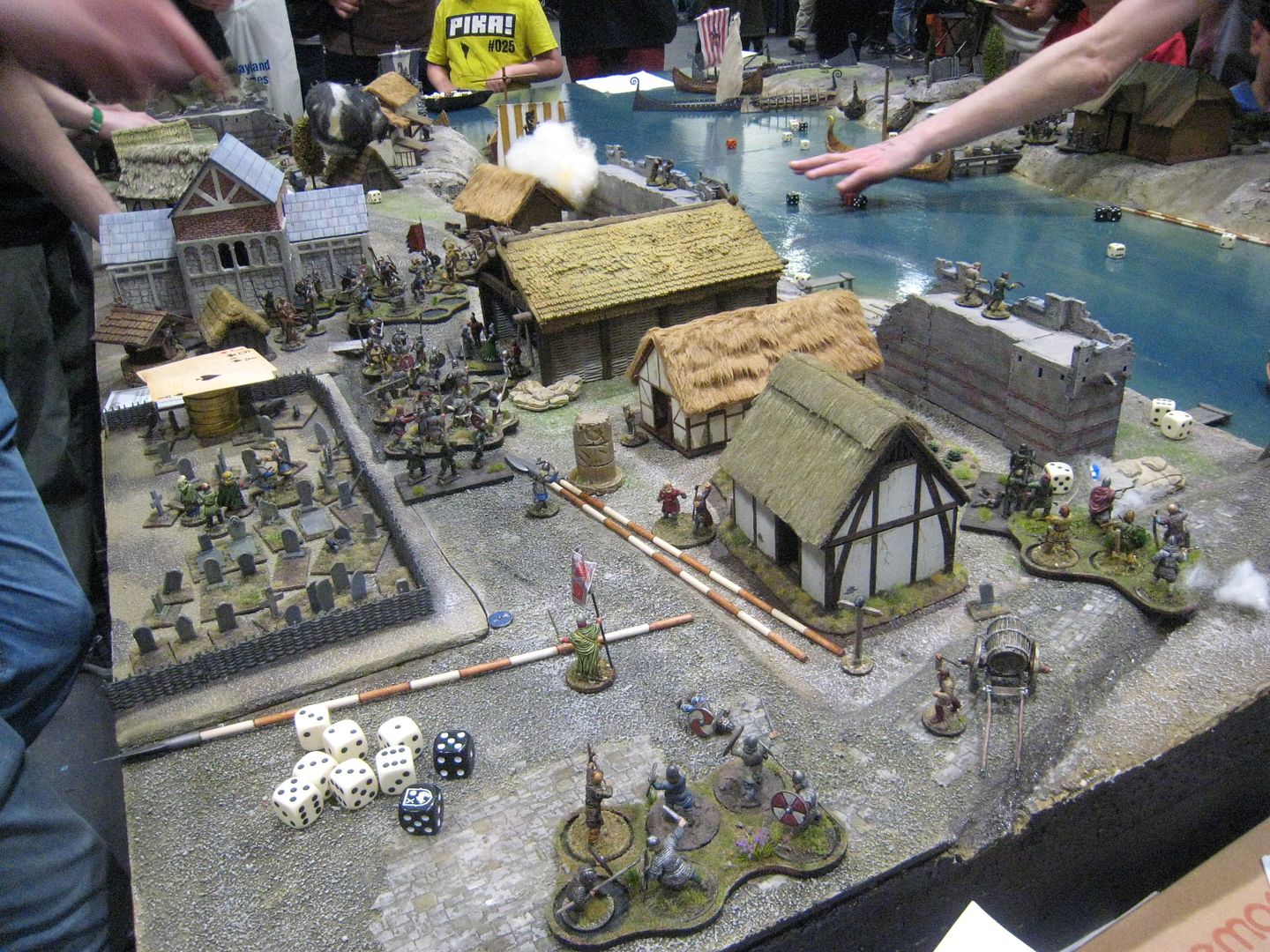
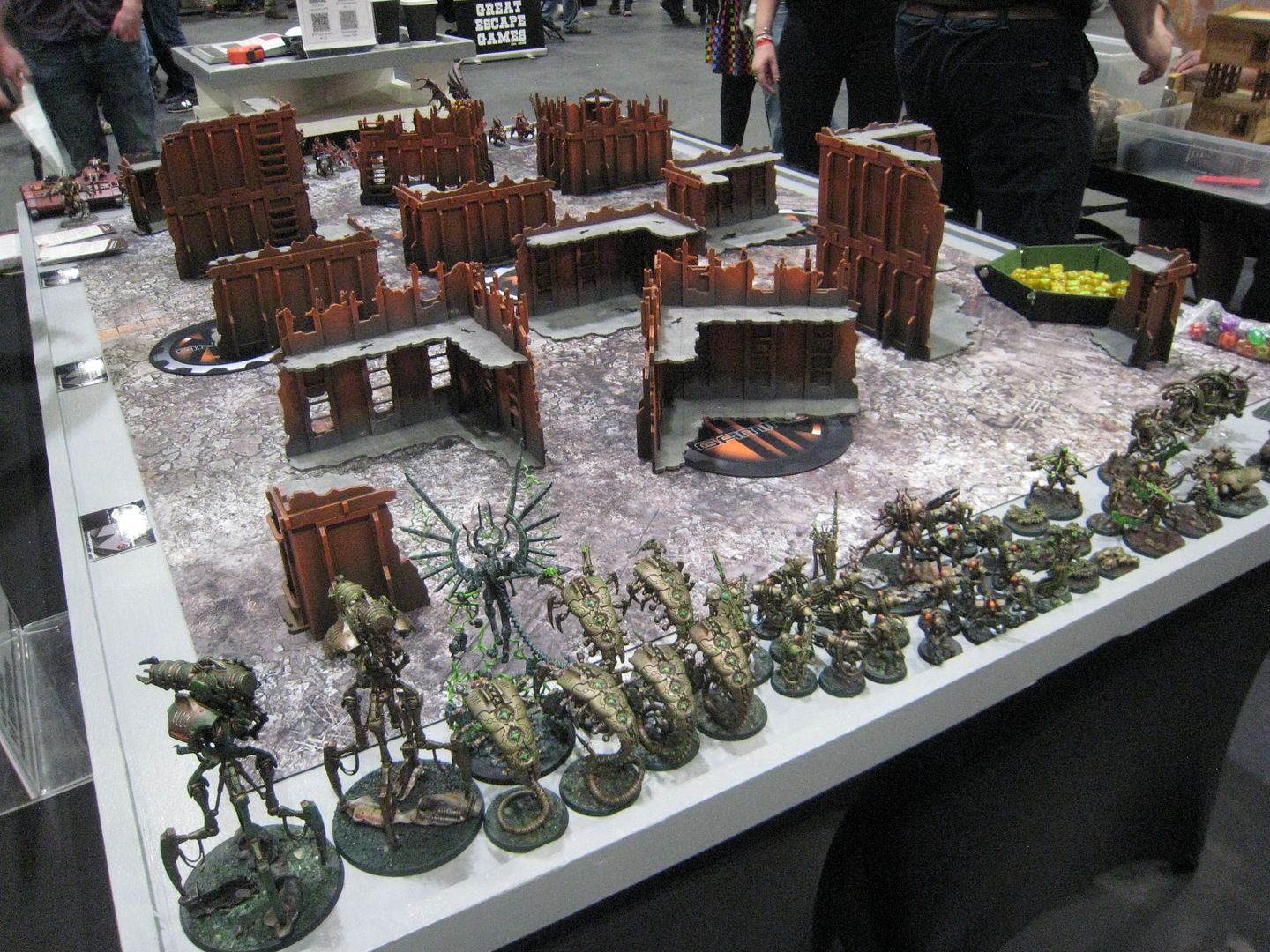
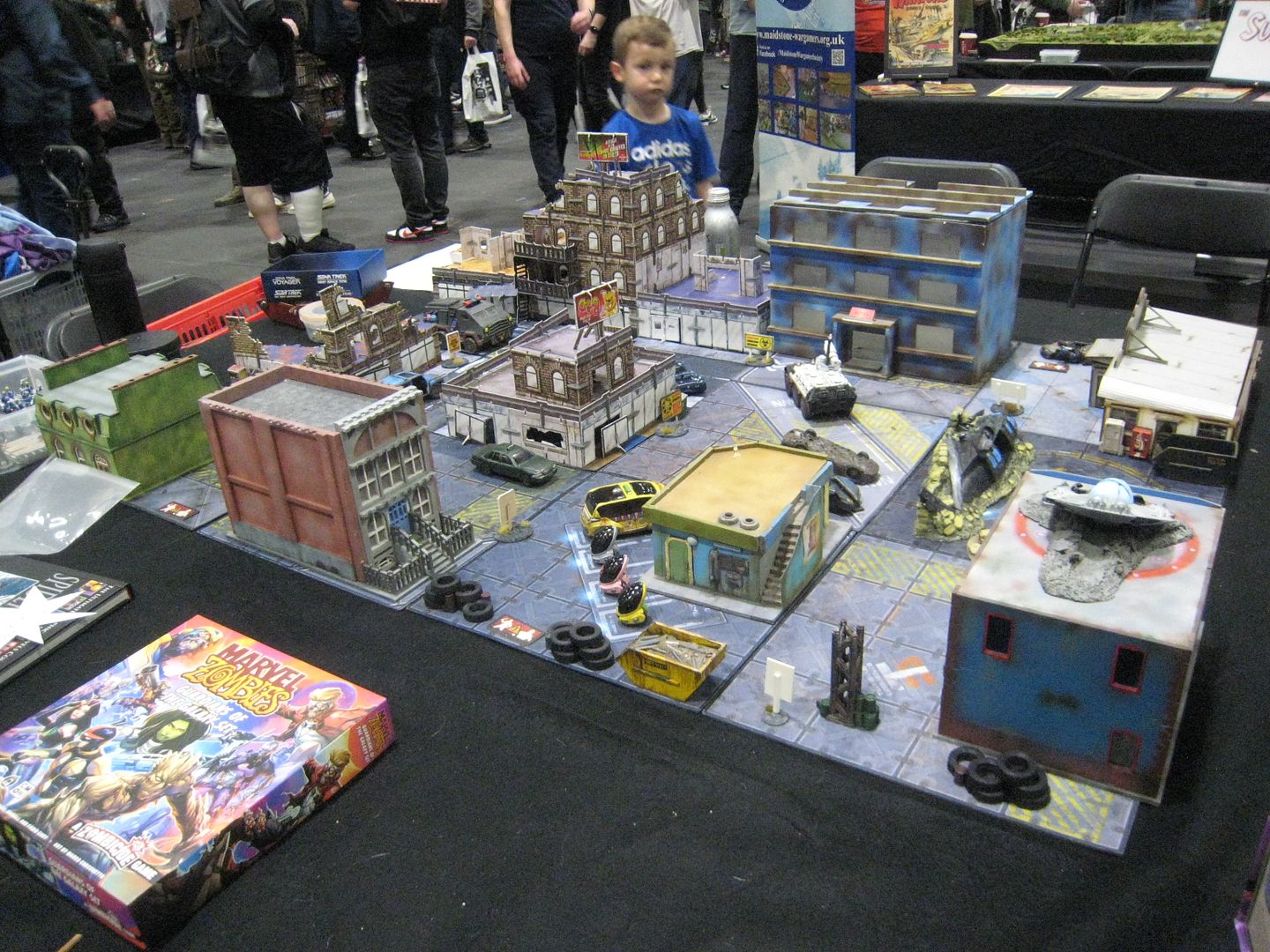
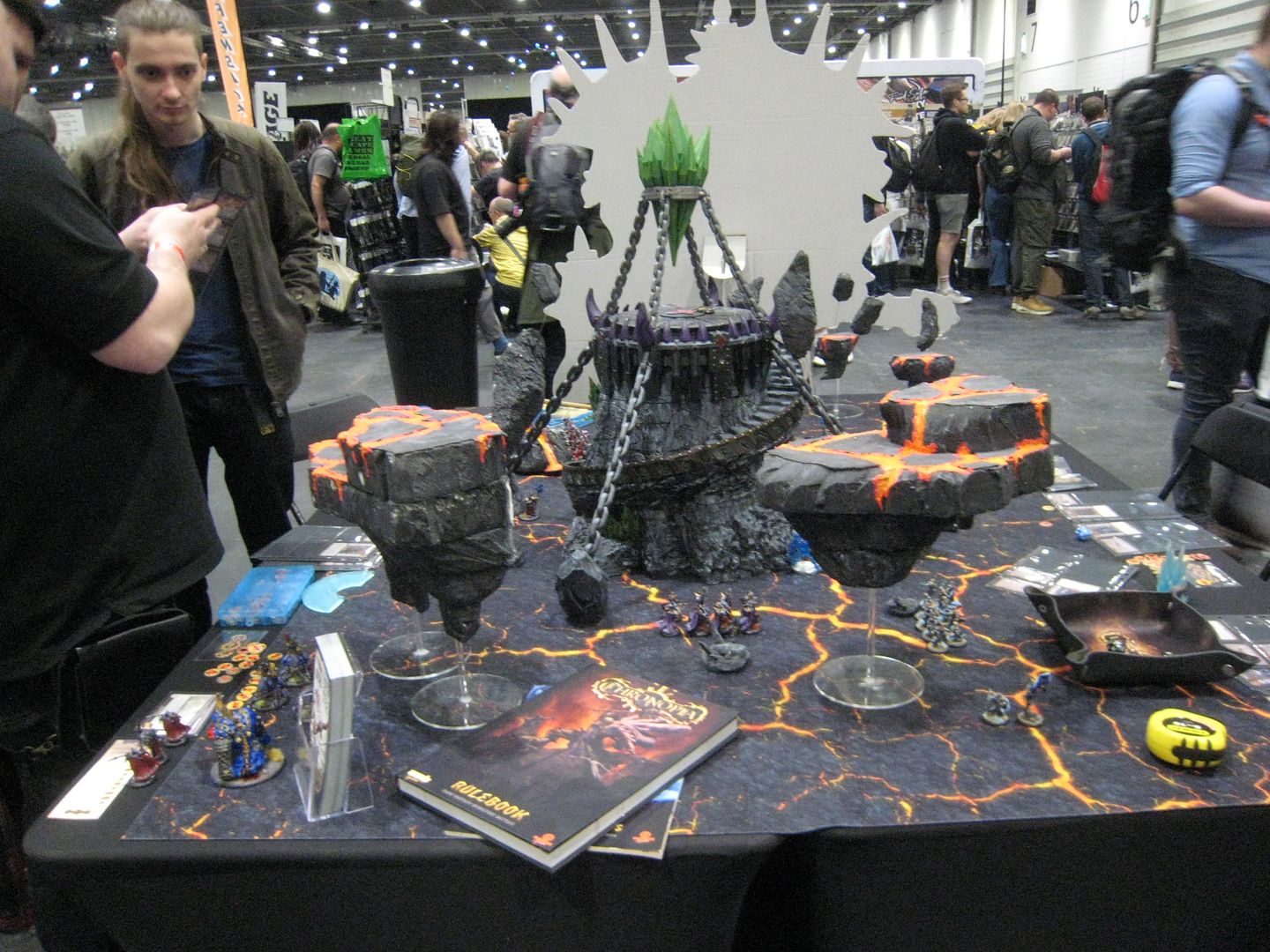
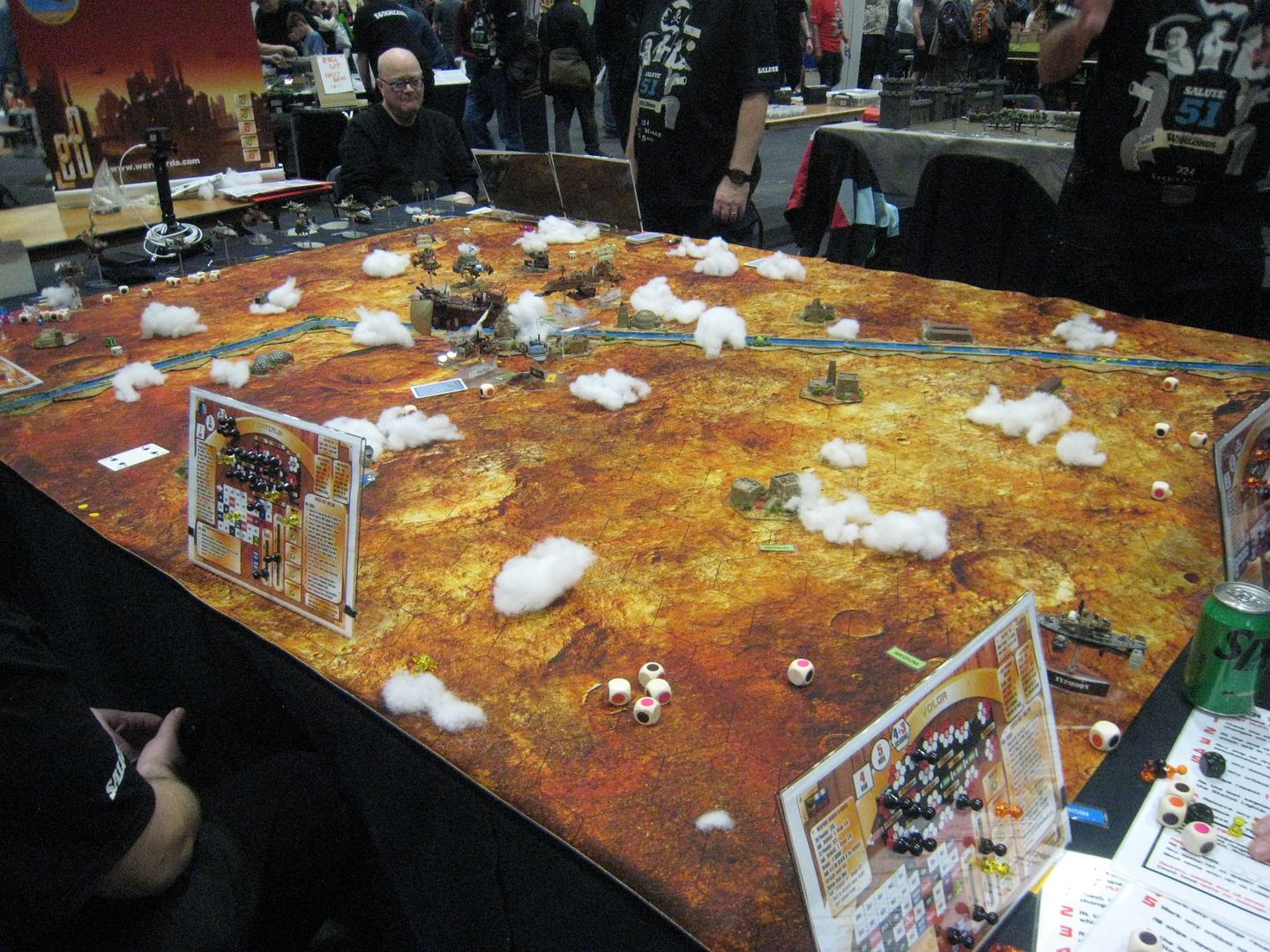
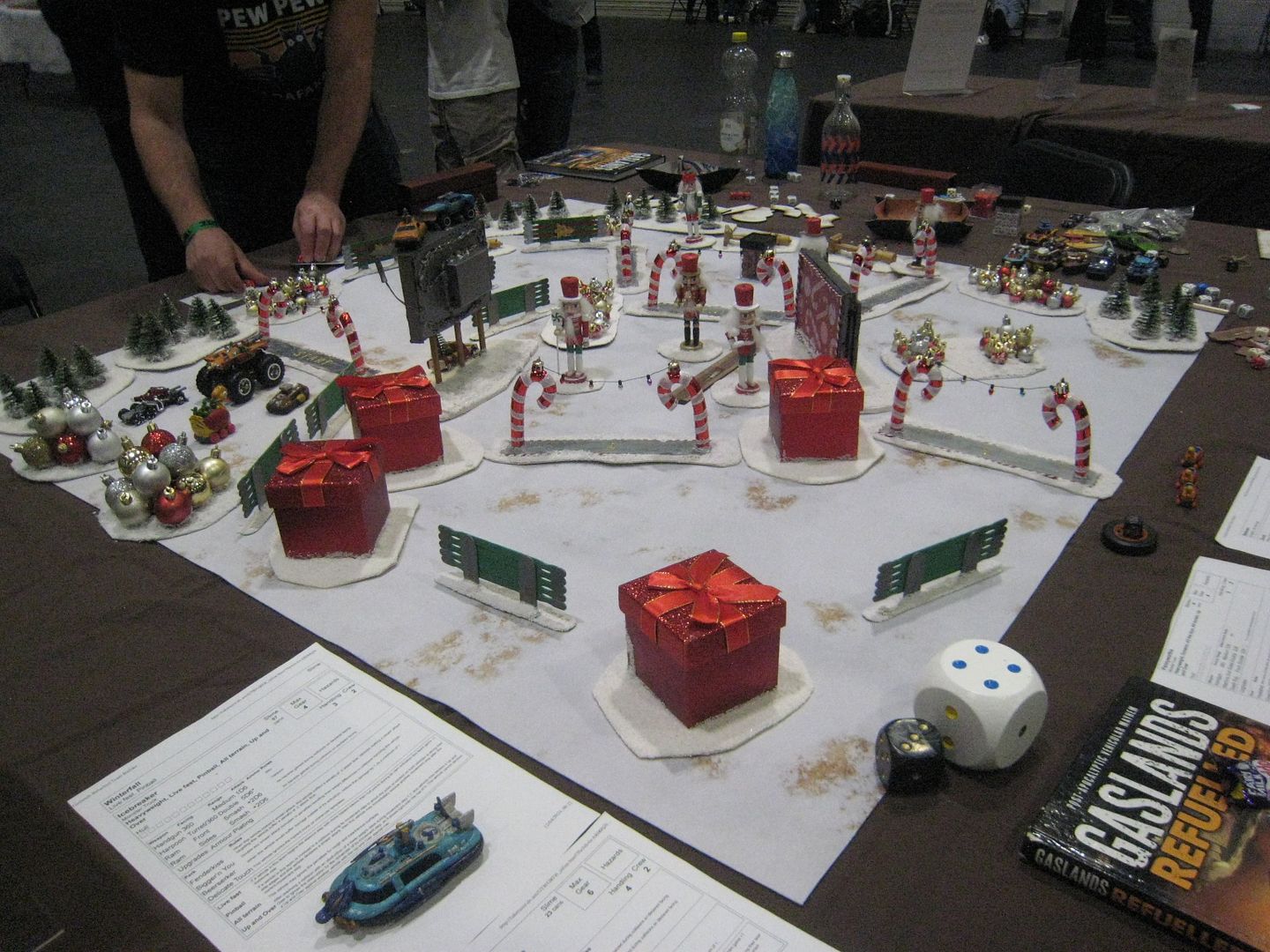
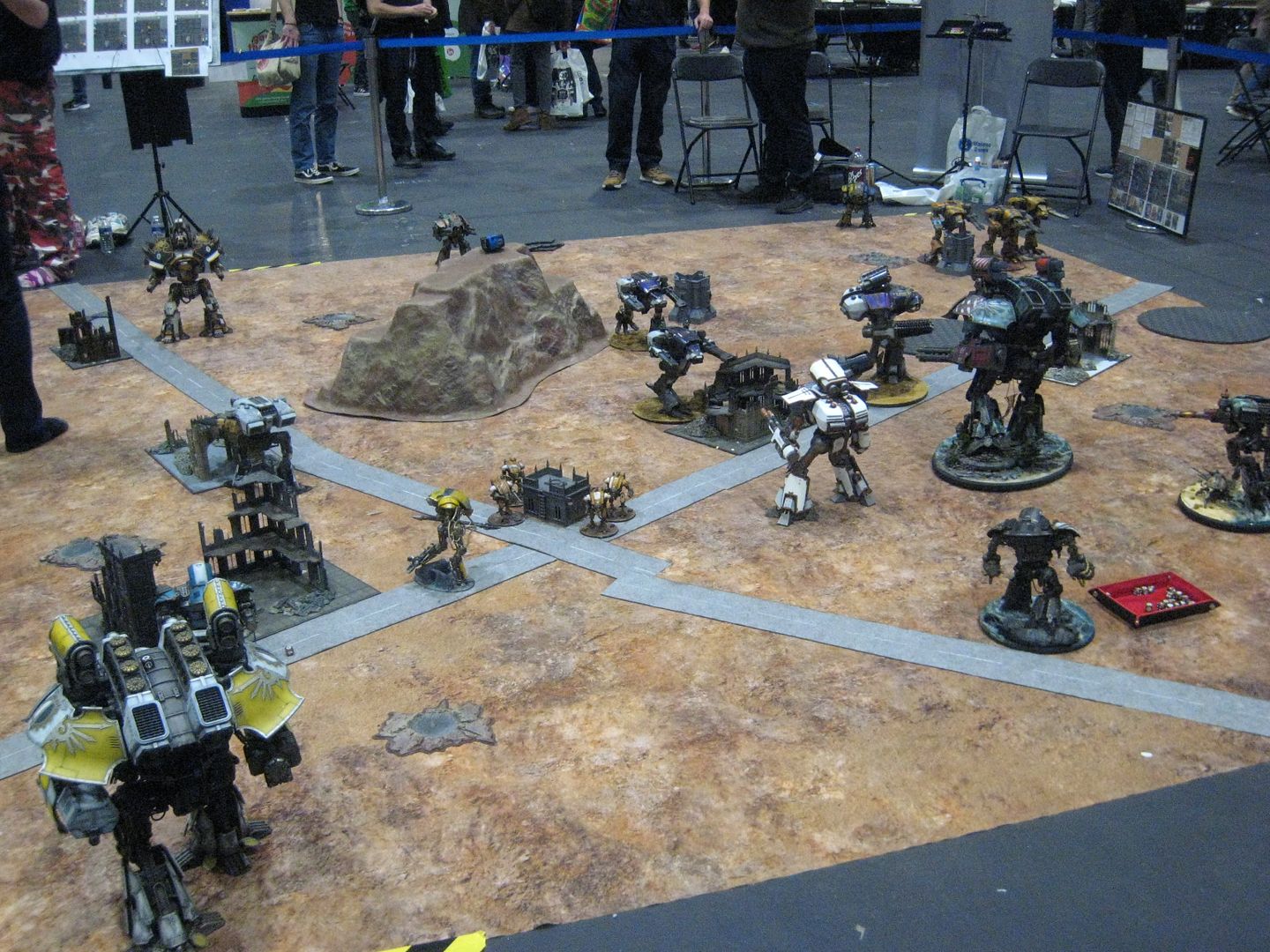
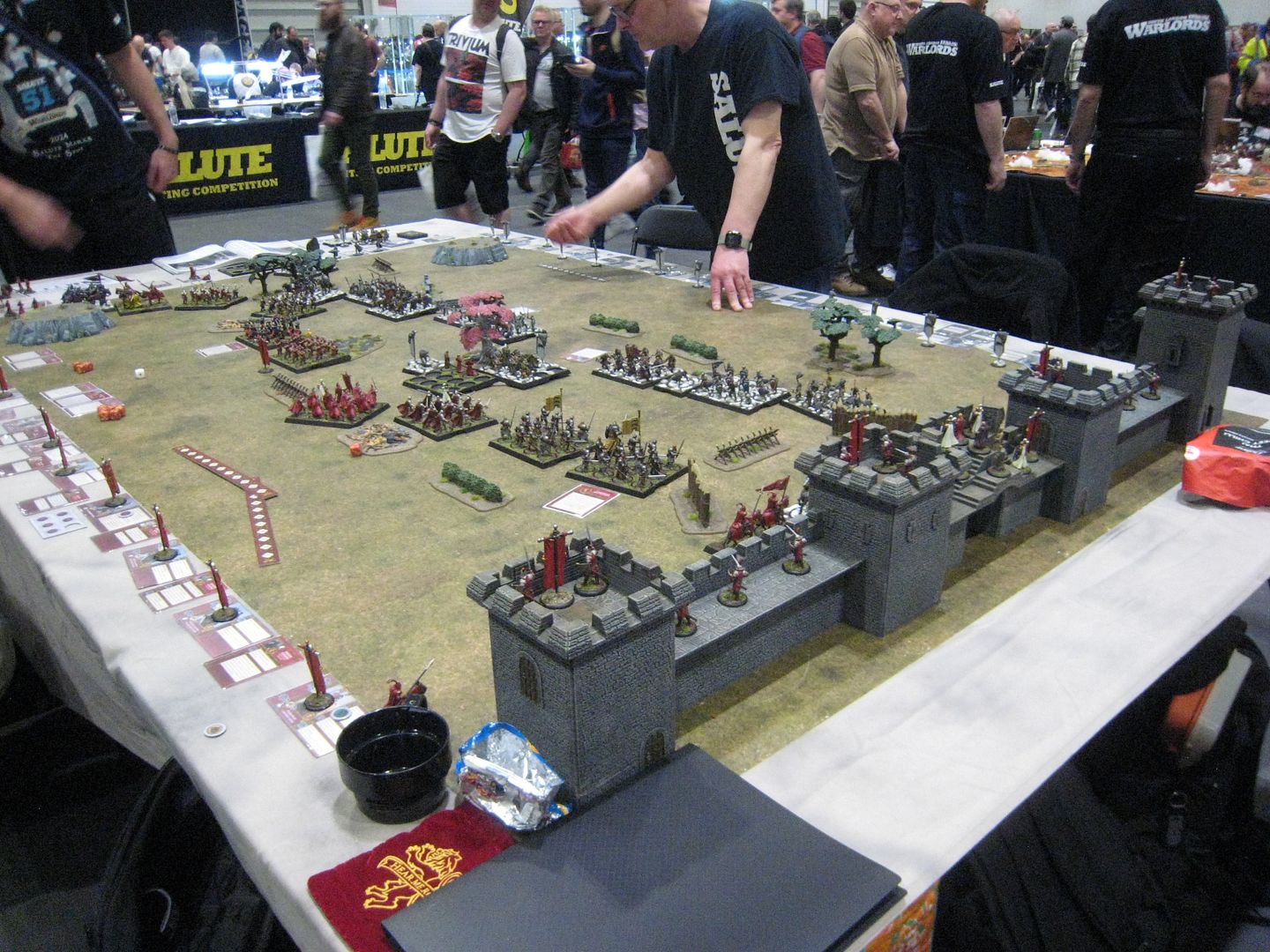
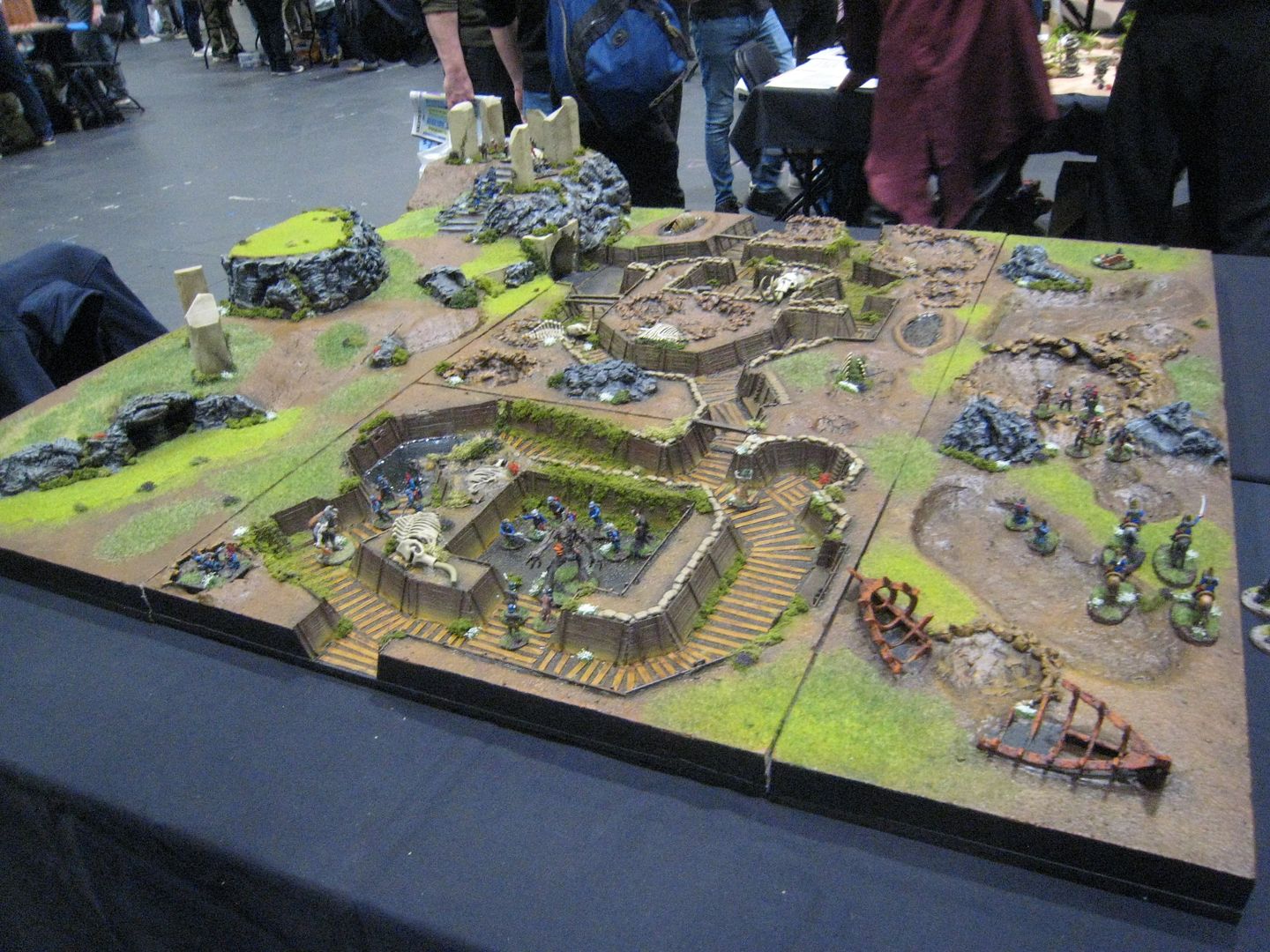
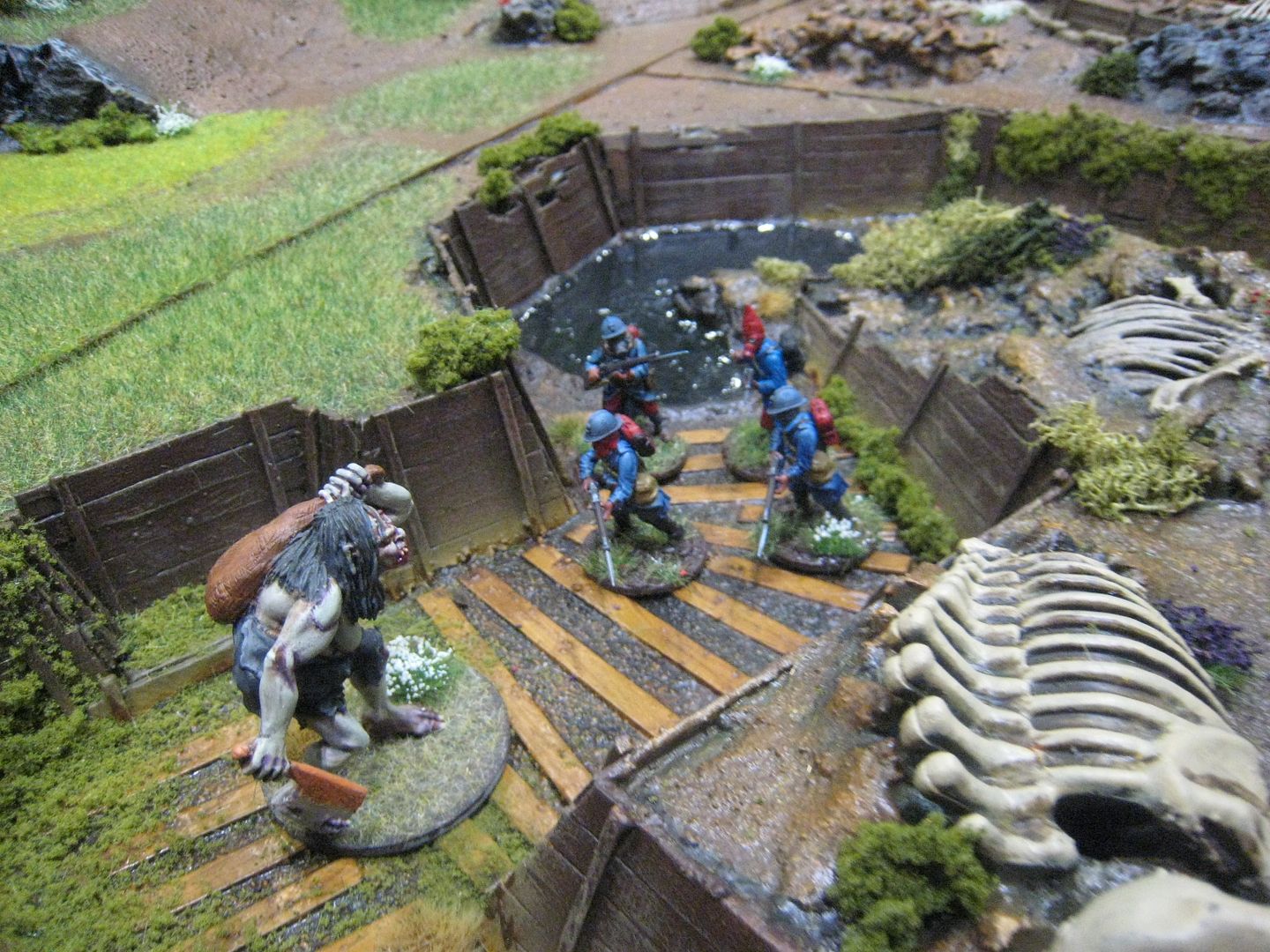
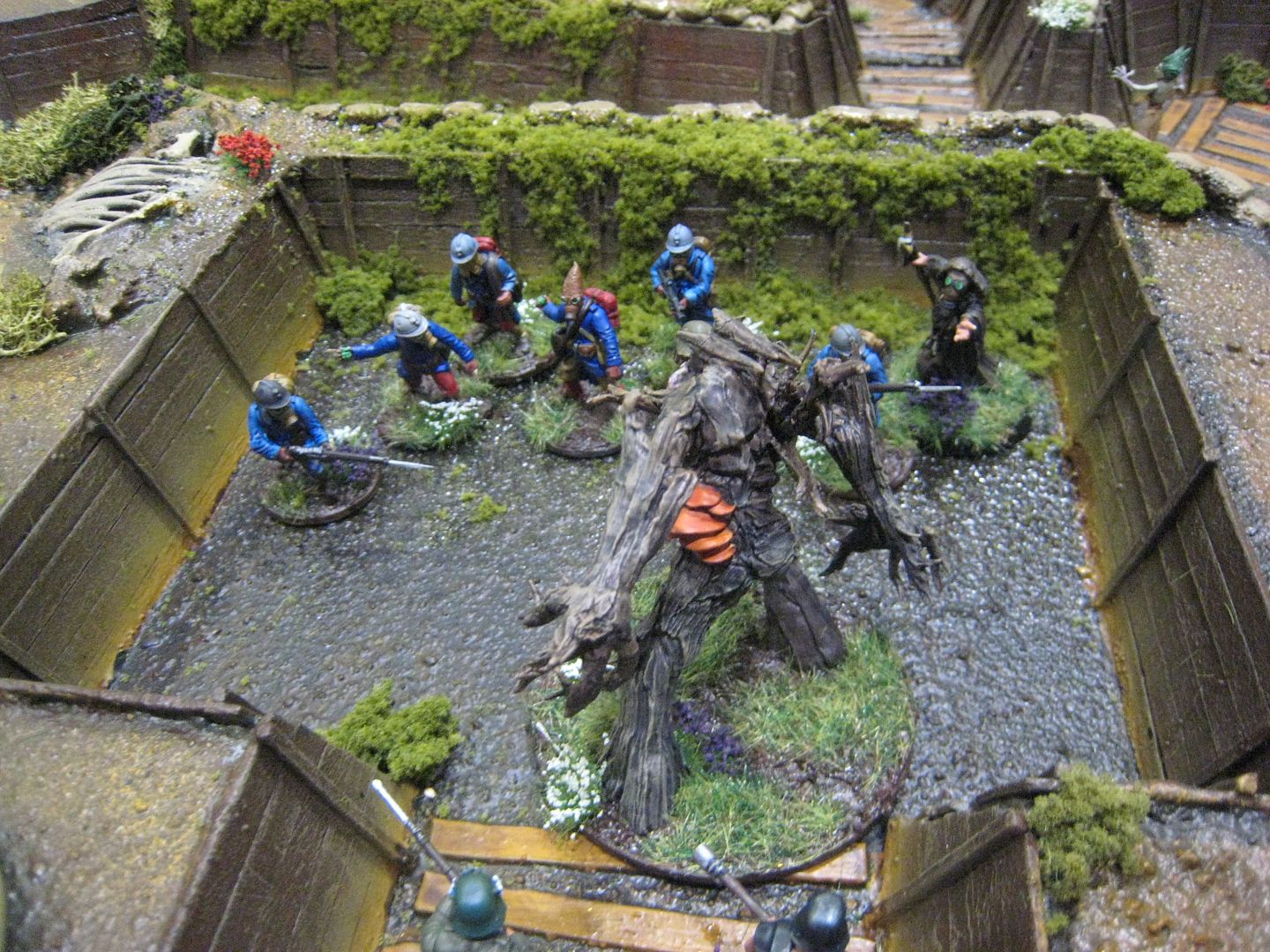
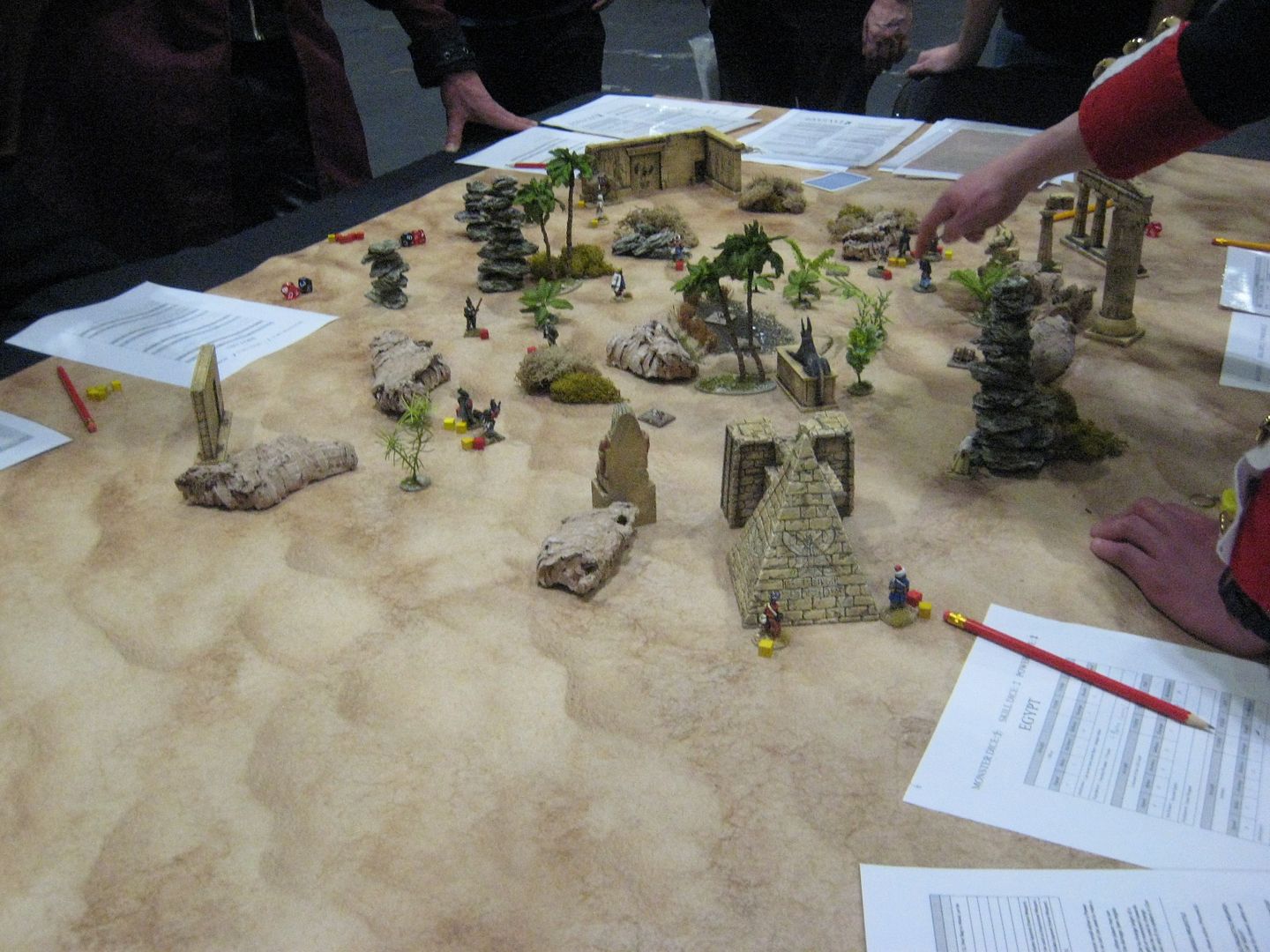
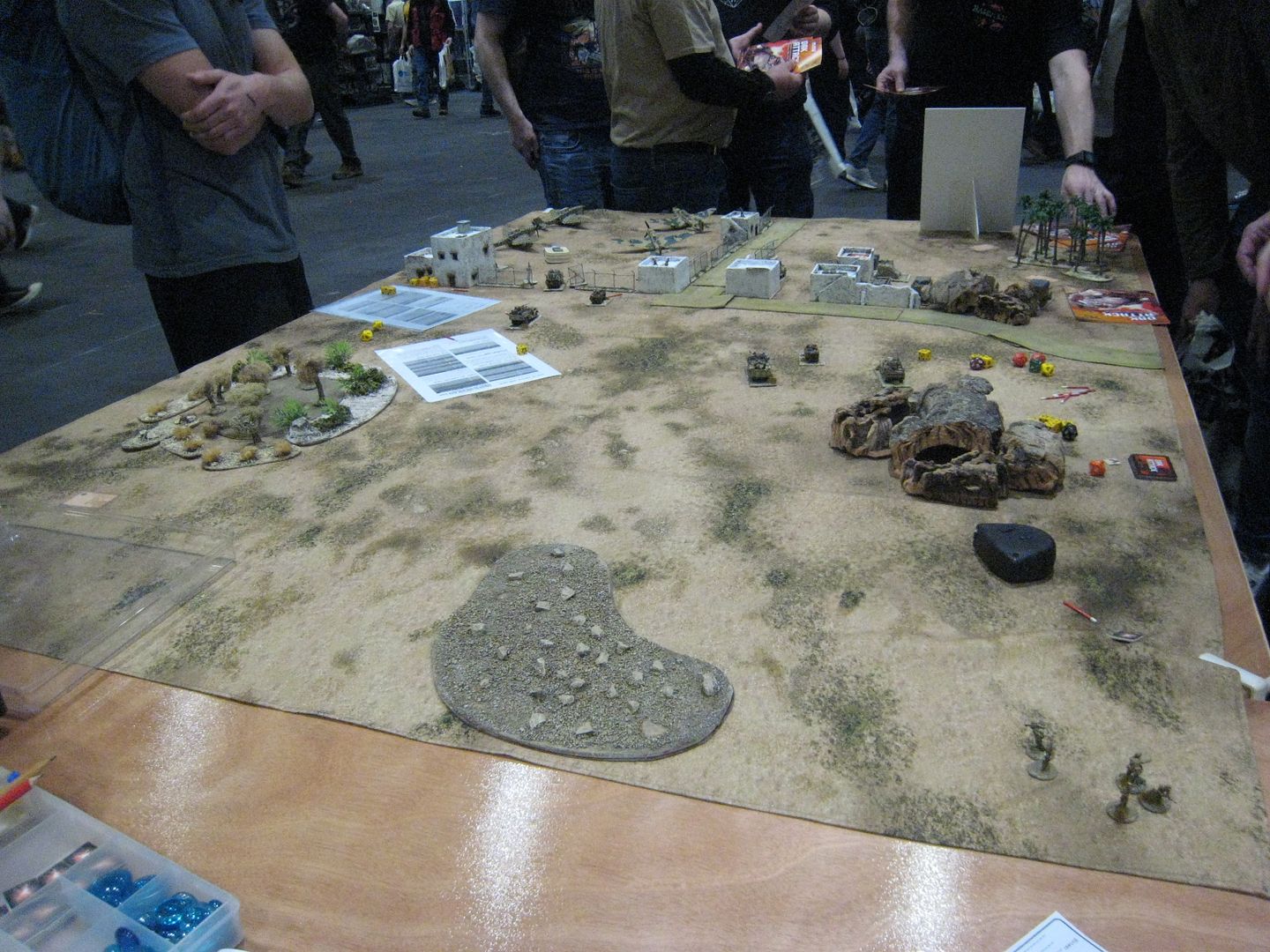
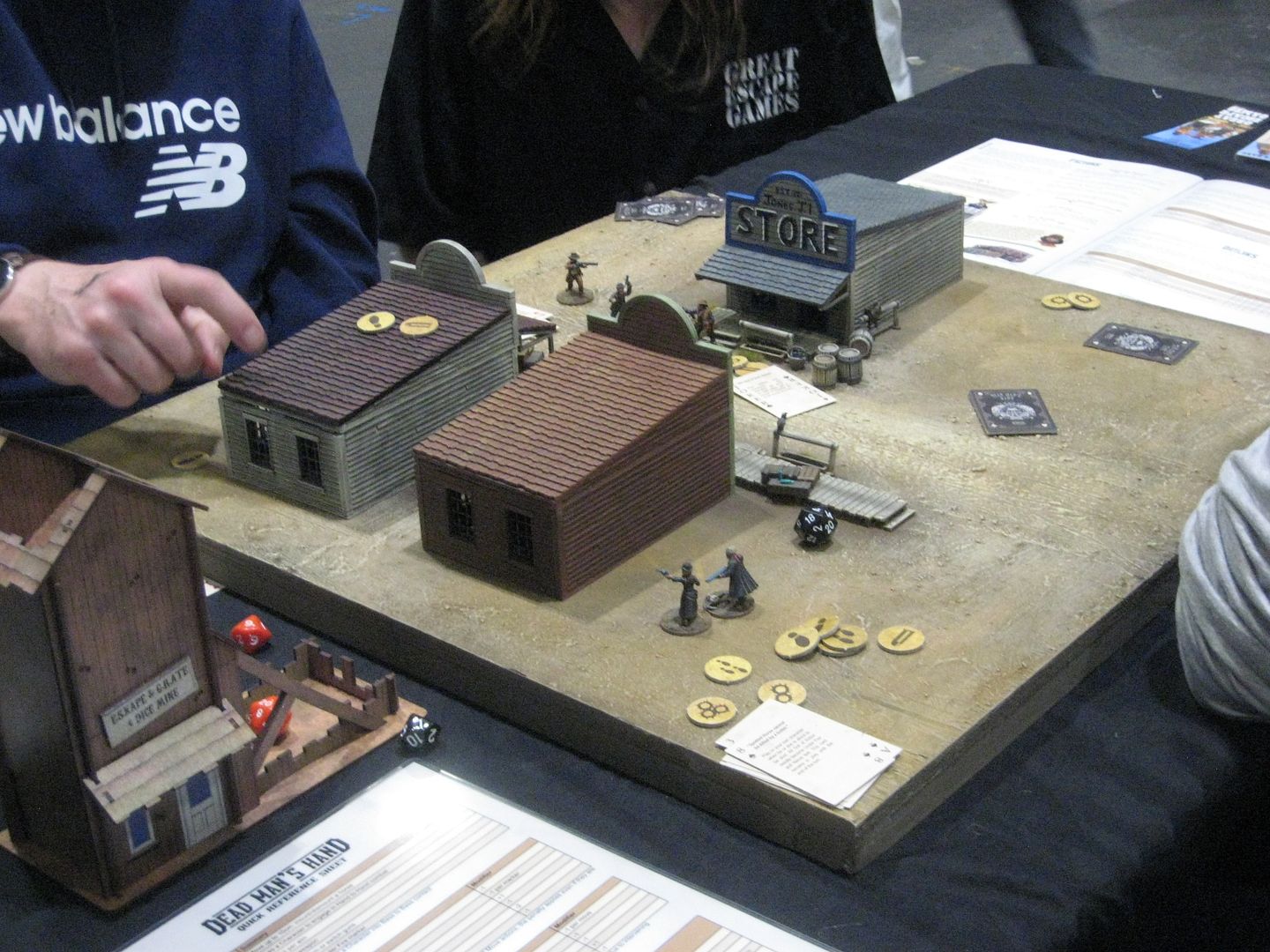
Here are some photos.  They are by no means comprehensive.  I've missed a lot of games and these are just a few I happened to pass when I had my camera out.

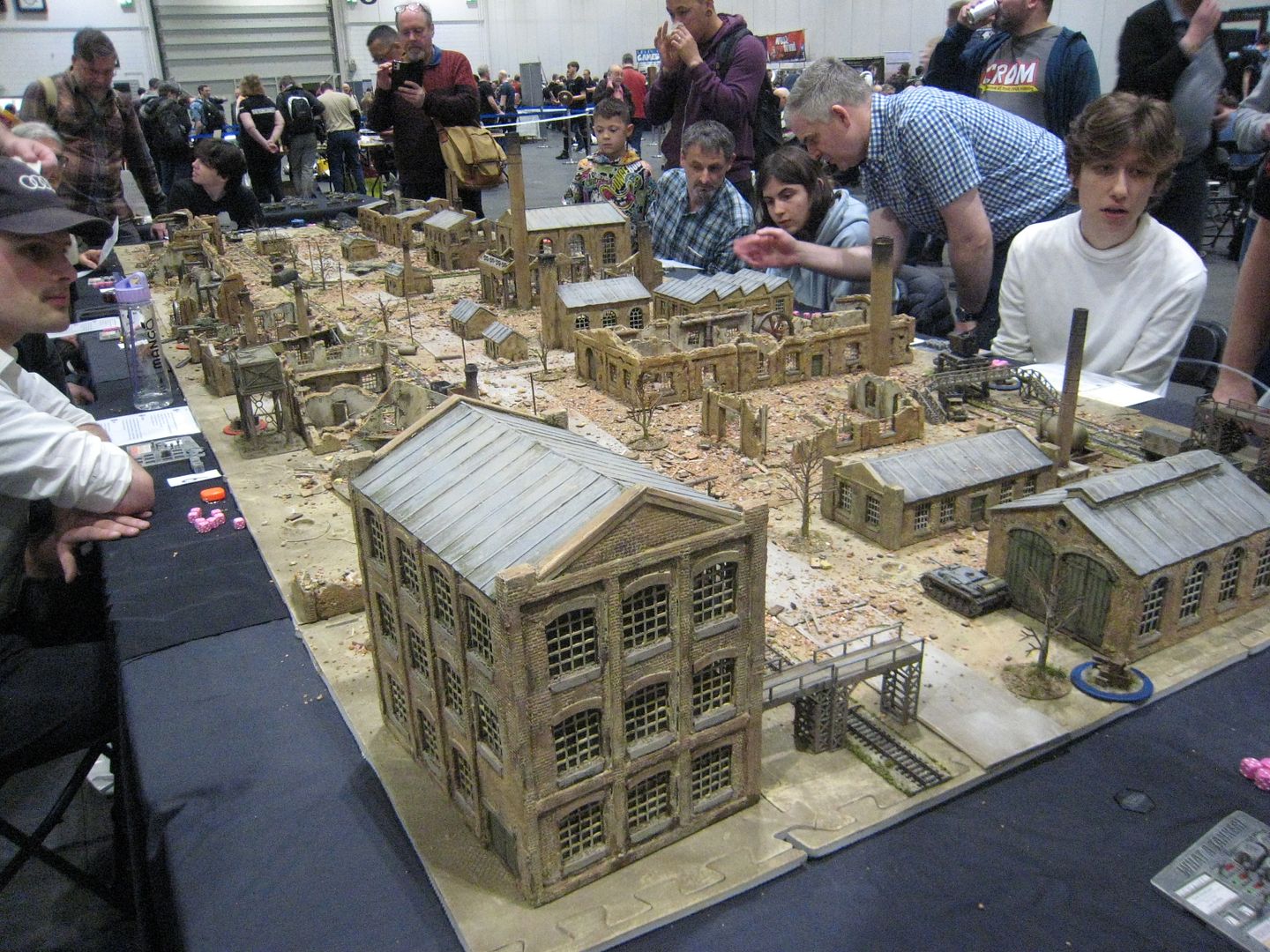
This 15mm Stalingrad game from Arbuthnot's Terra Firma League of Gentlemen had excellent terrain and attention to detail:


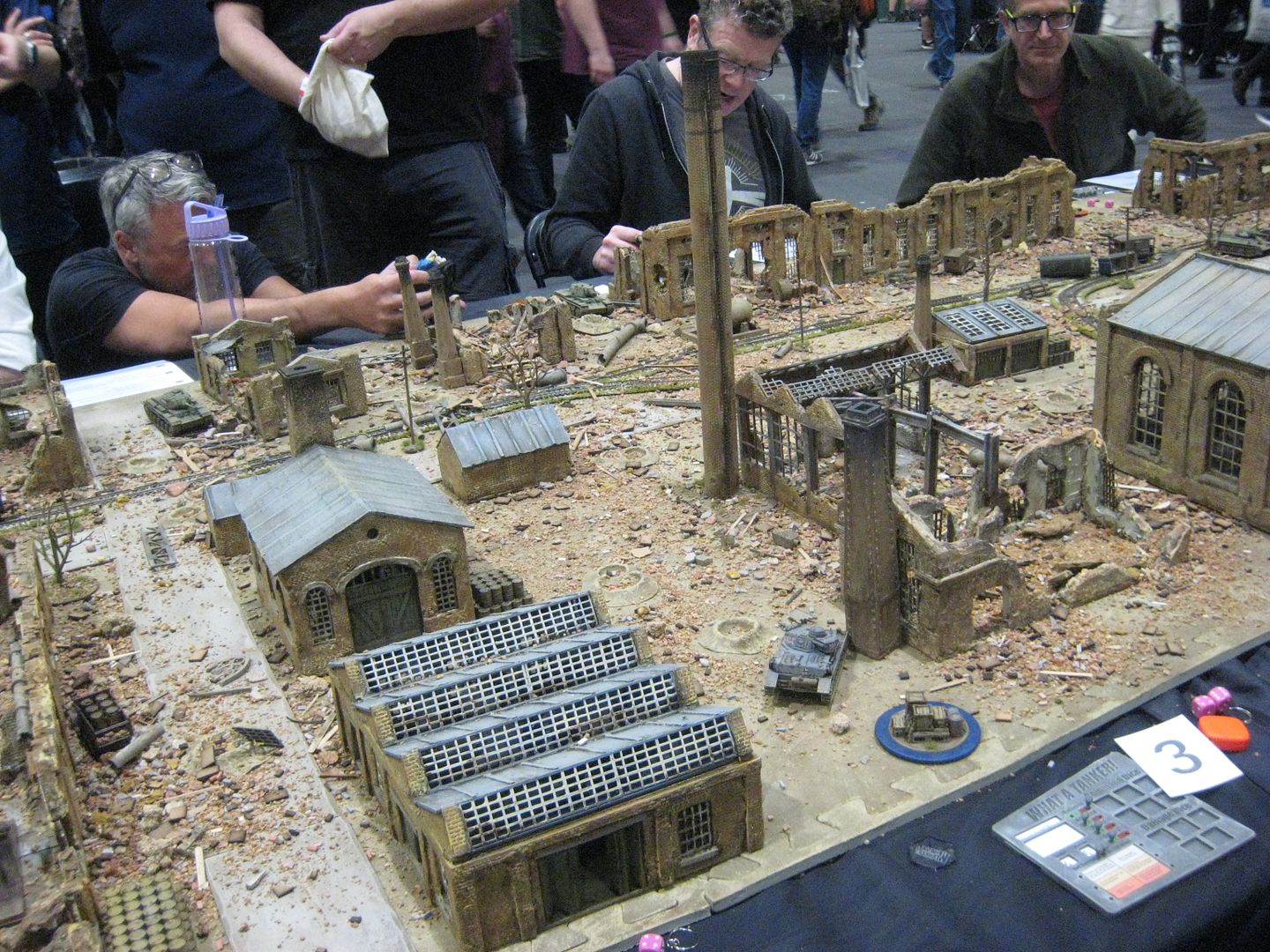
I think this was Nottingham Irregulars with more WW2 Eastern Front action, this time in 25mm:


Battlefront had Little Round Top in 25mm.  This was one of two excellent "hills" I saw:


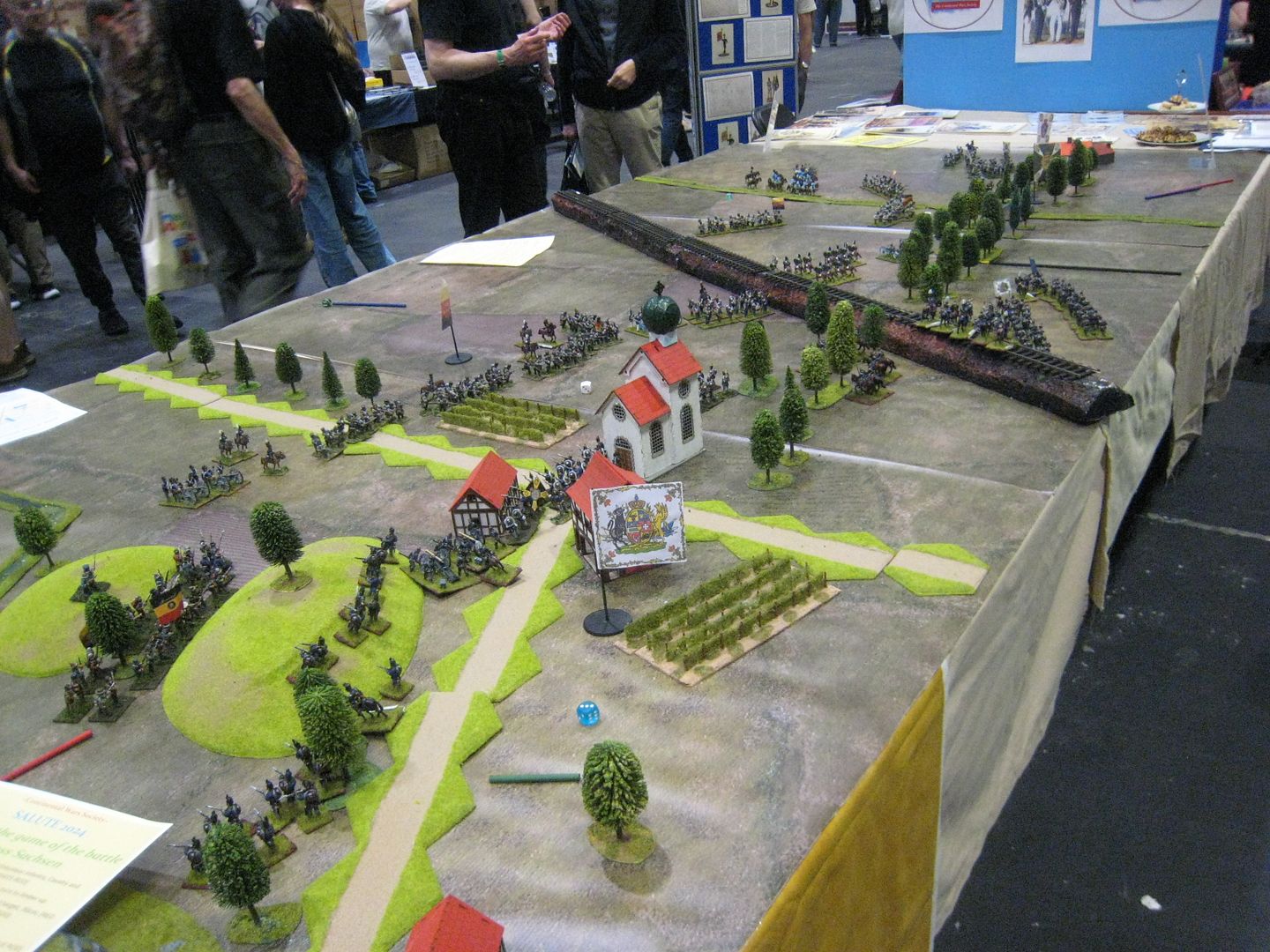
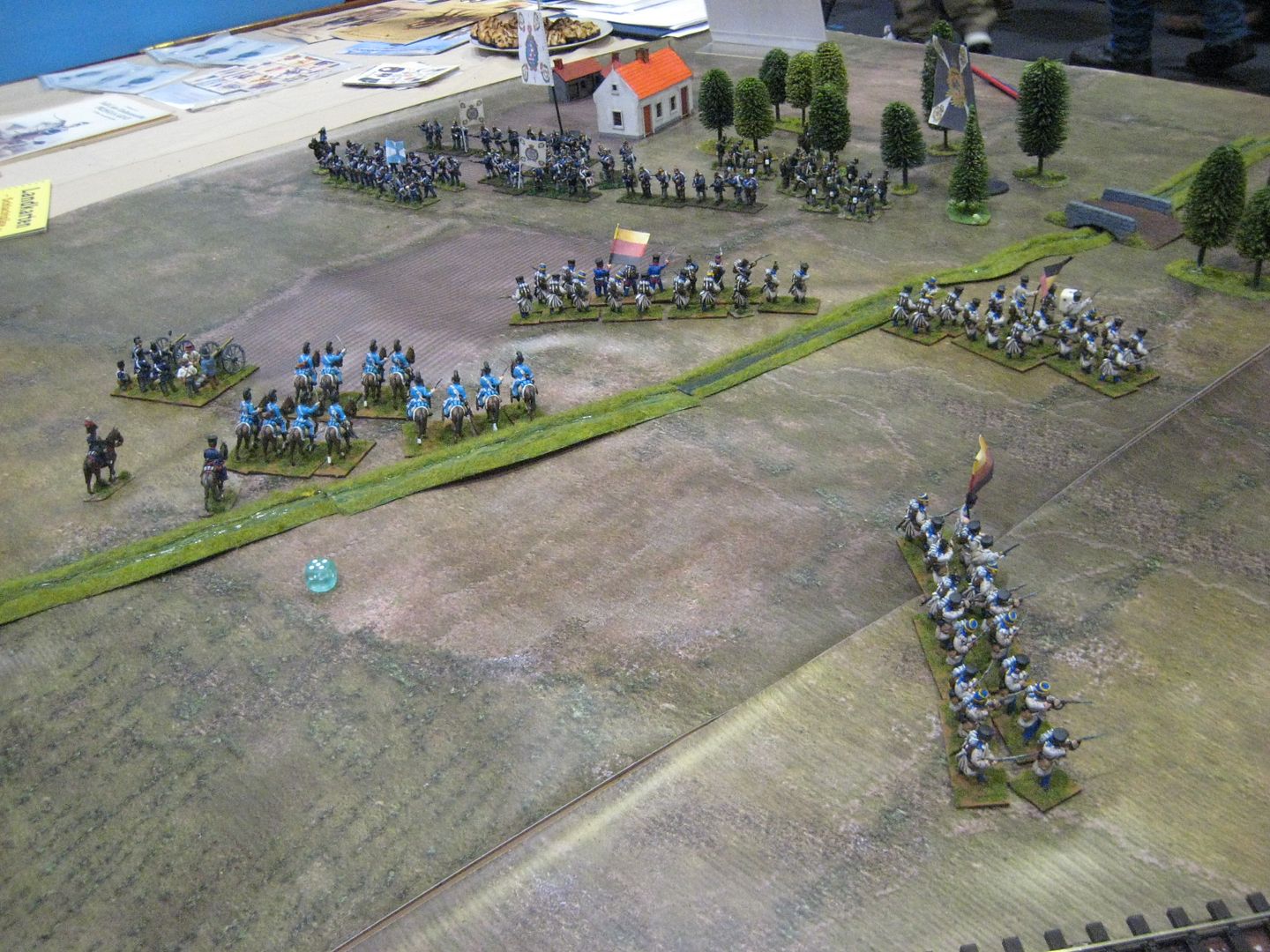
The other excellent modelling of gradual height was the Continental Wars Society's 6mm 1866 Austro-Prussian War game.  Beautifully painted figures too:


Frothers Unite had a "Return to the Planet of the Apes" game, with well-thought out terrain:


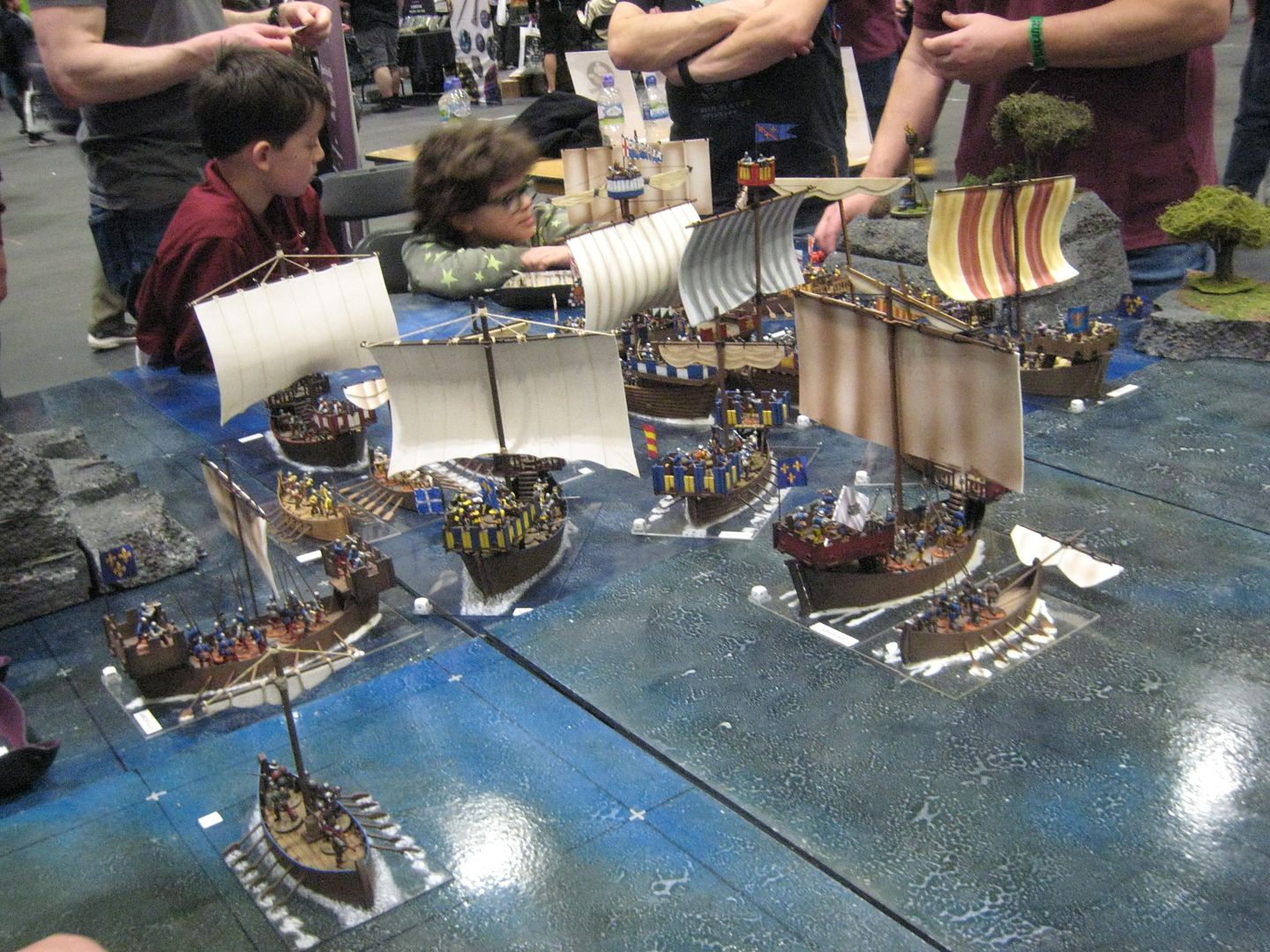
One of my favourites was the Lance & Longbow Society's 25mm Battle of Cravant, 1423:


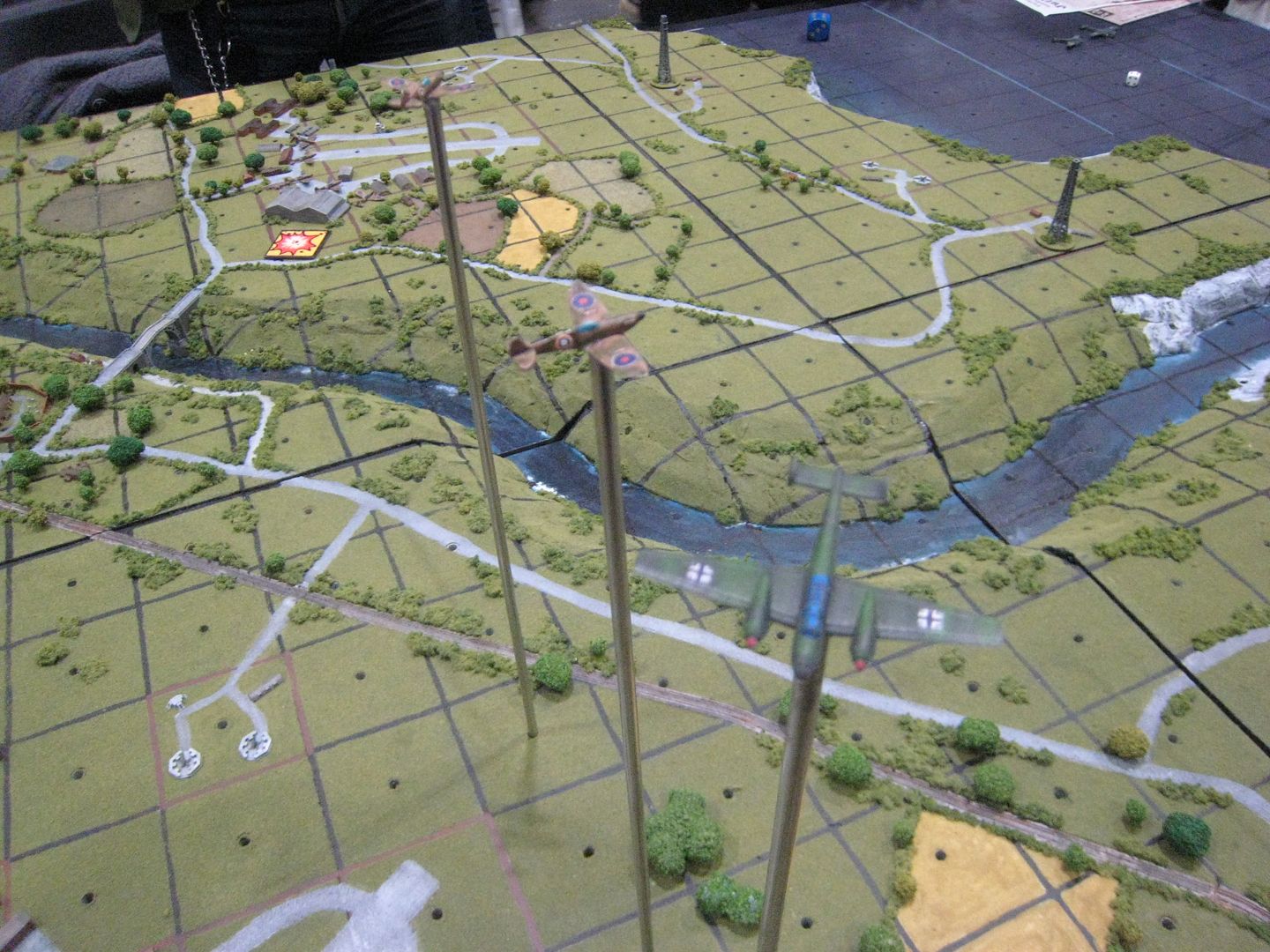
Not sure who thins game was from, but it seemed to be centred around a downed WW2 German bomber:


Didn't ctch the name of these guyes either, but it was an early WW1 games:


The only AWI game.  Again, I didn't catch the name of the club, but they were from the Continent.  To me it looked like Eutaw Springs:


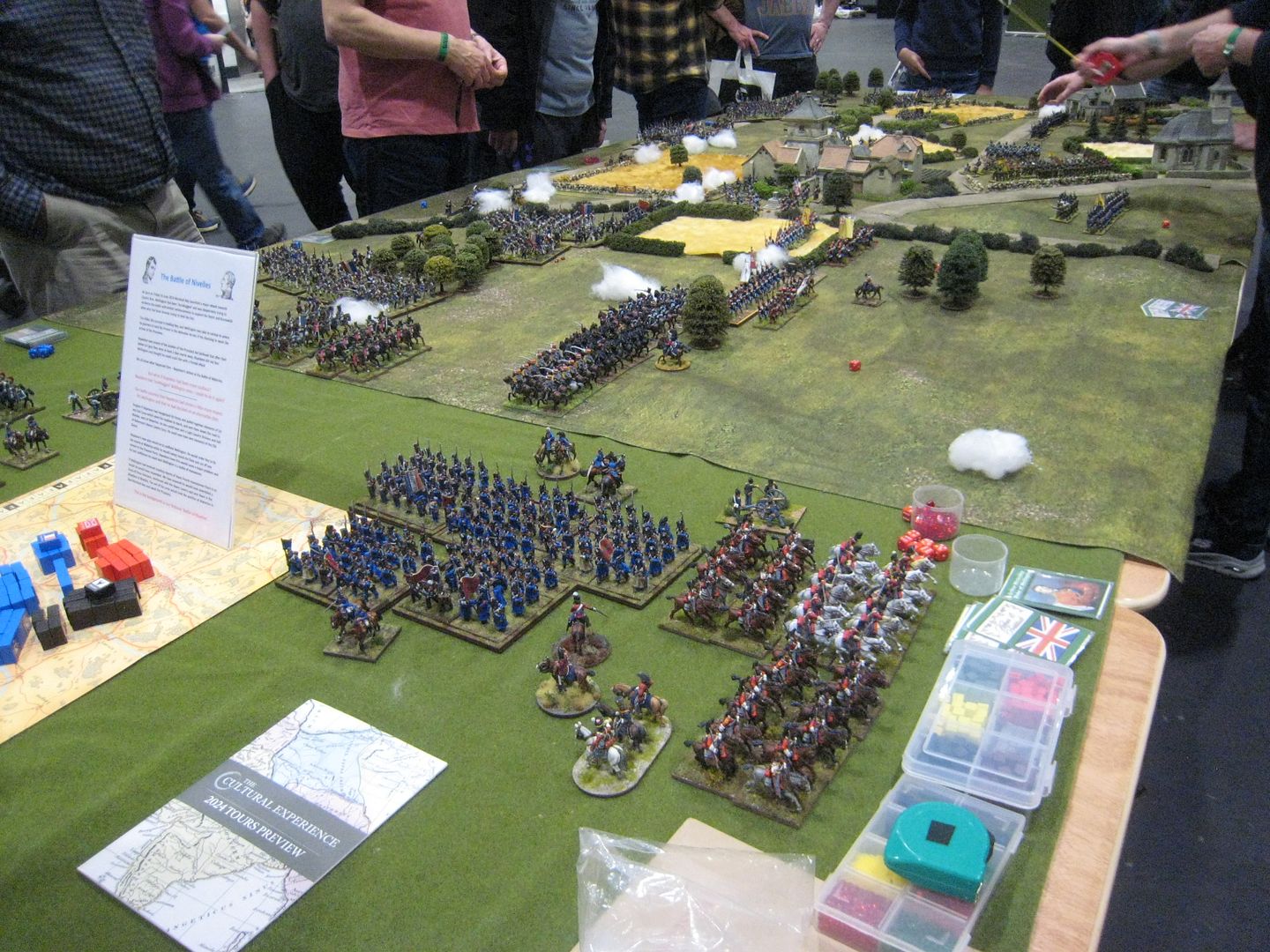
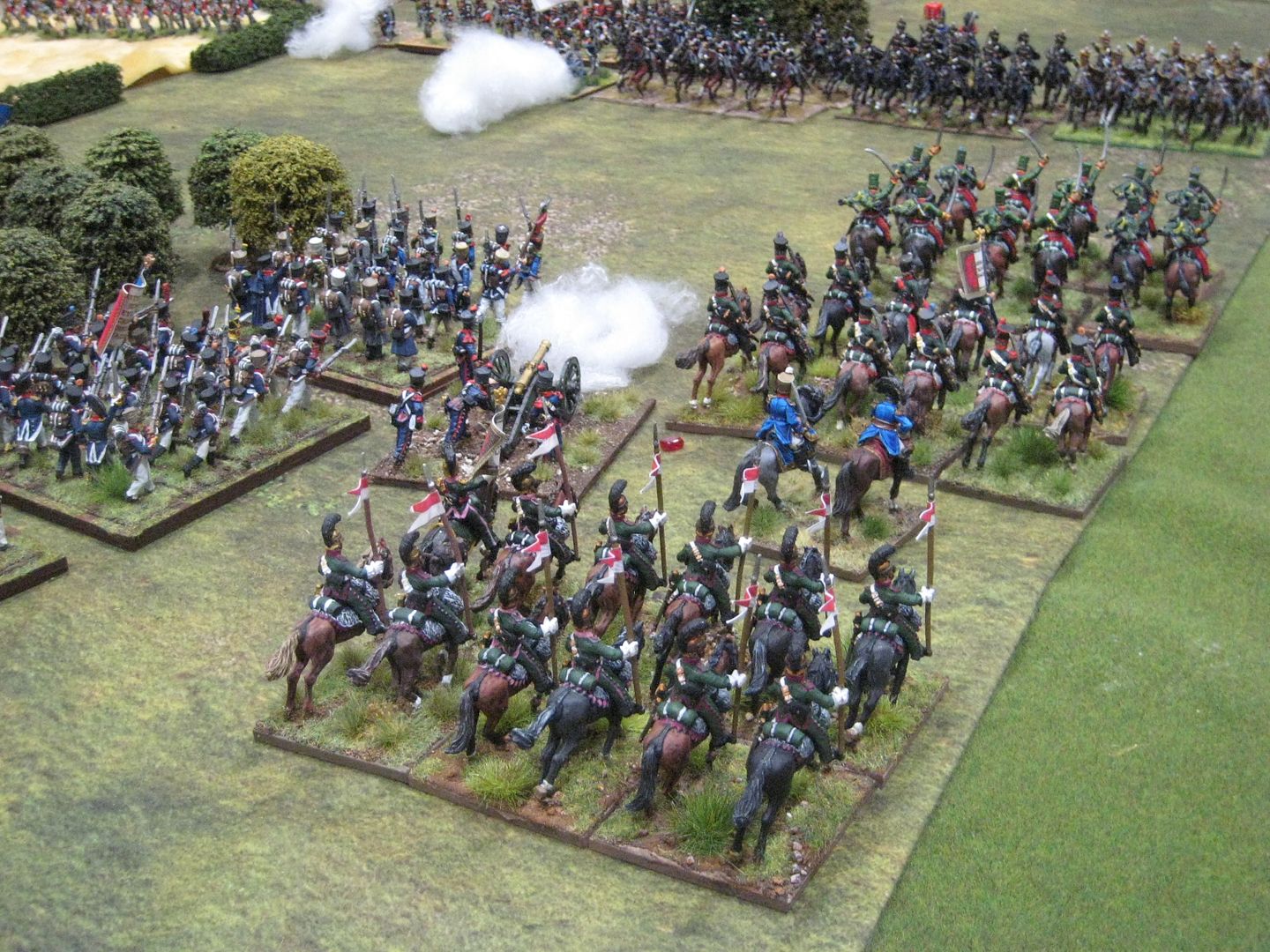
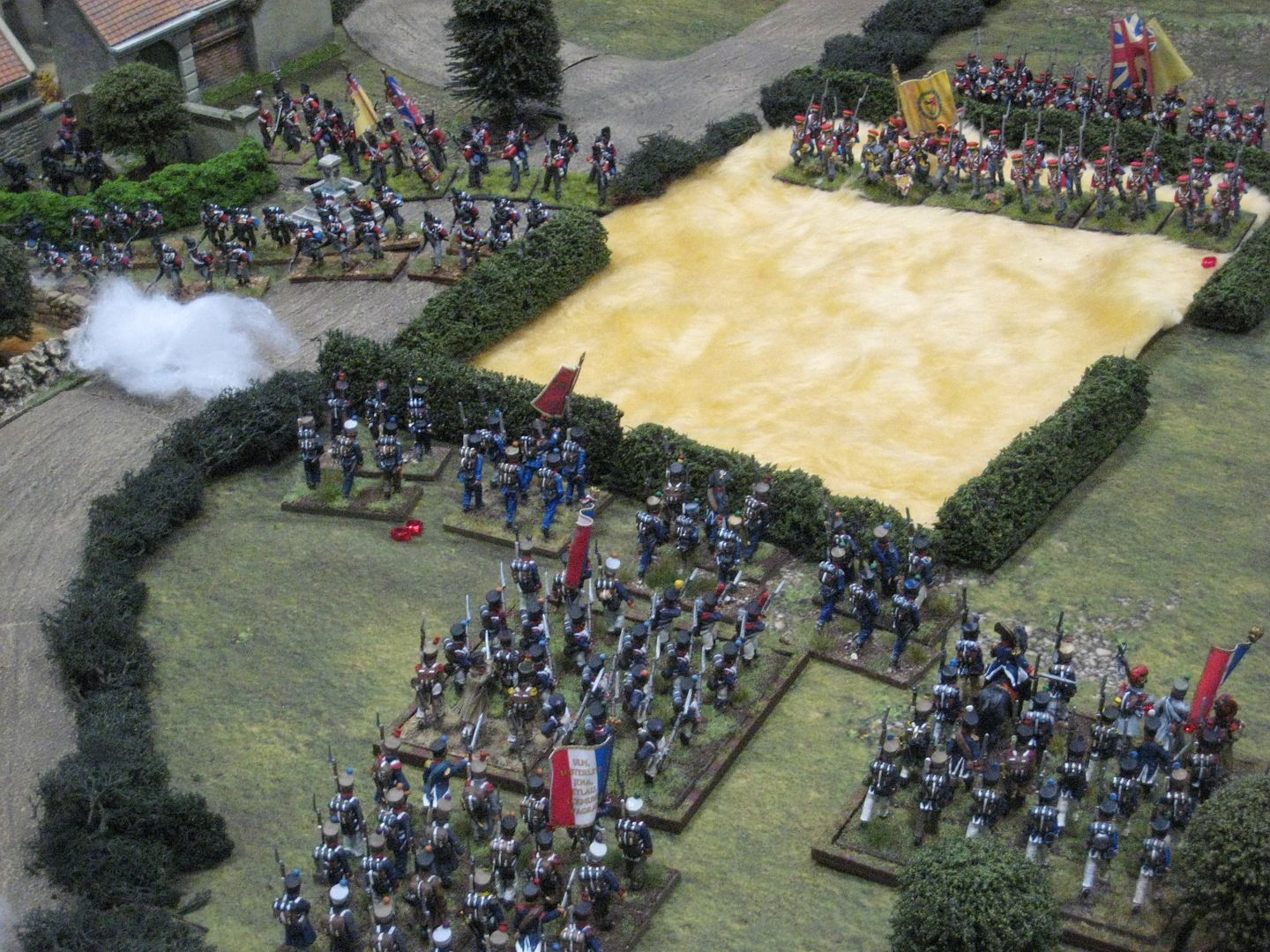
Waterloo by the Essex Gamesters (who were all dressed in period costume).  I think they were actually playing the game, but for me there were too many French in bicornes and other anacronisms.  In 25mm, the best way to do Waterloo, in my opinion, is bite-sized chunks.  It was impressive, though:
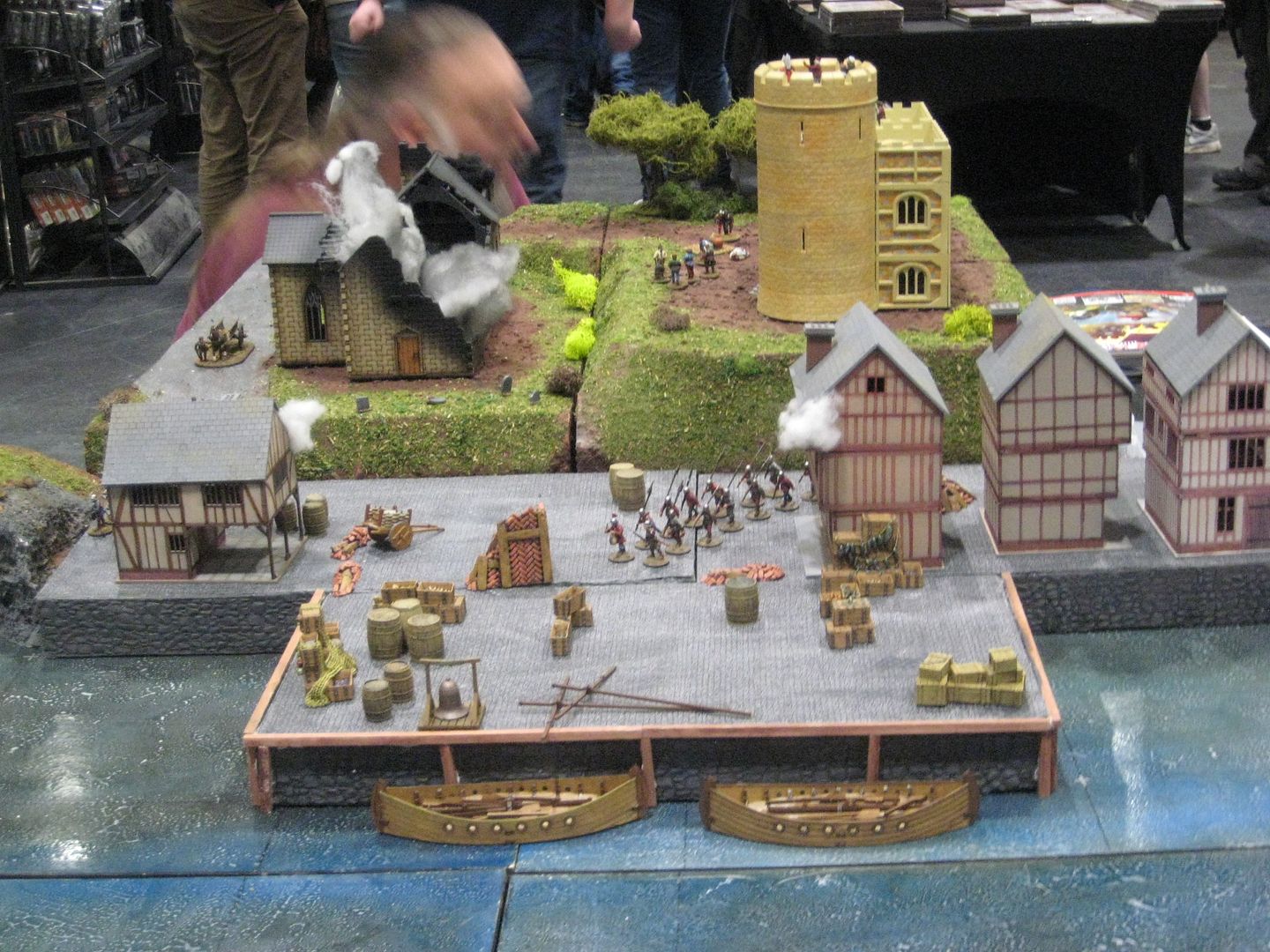


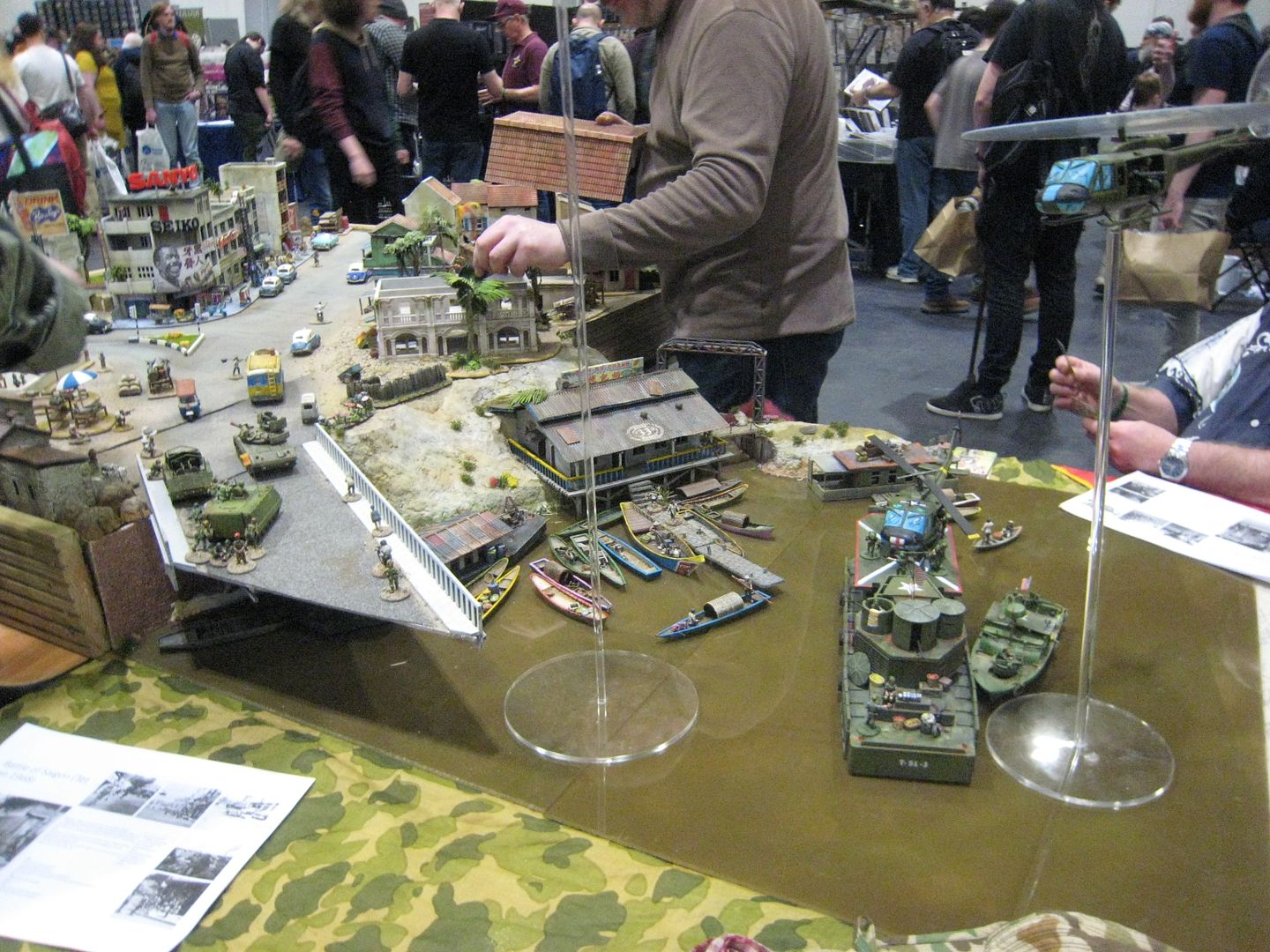
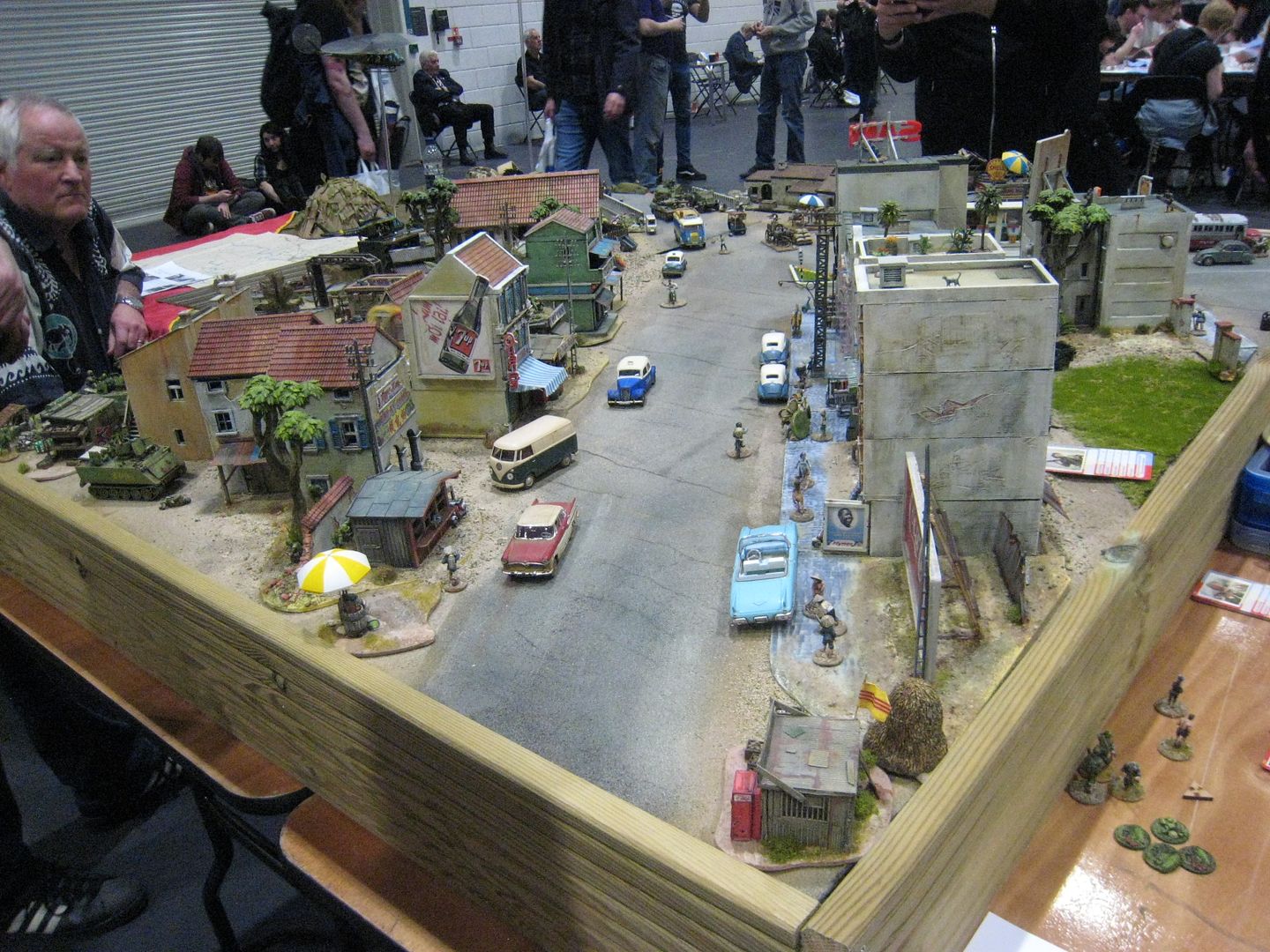
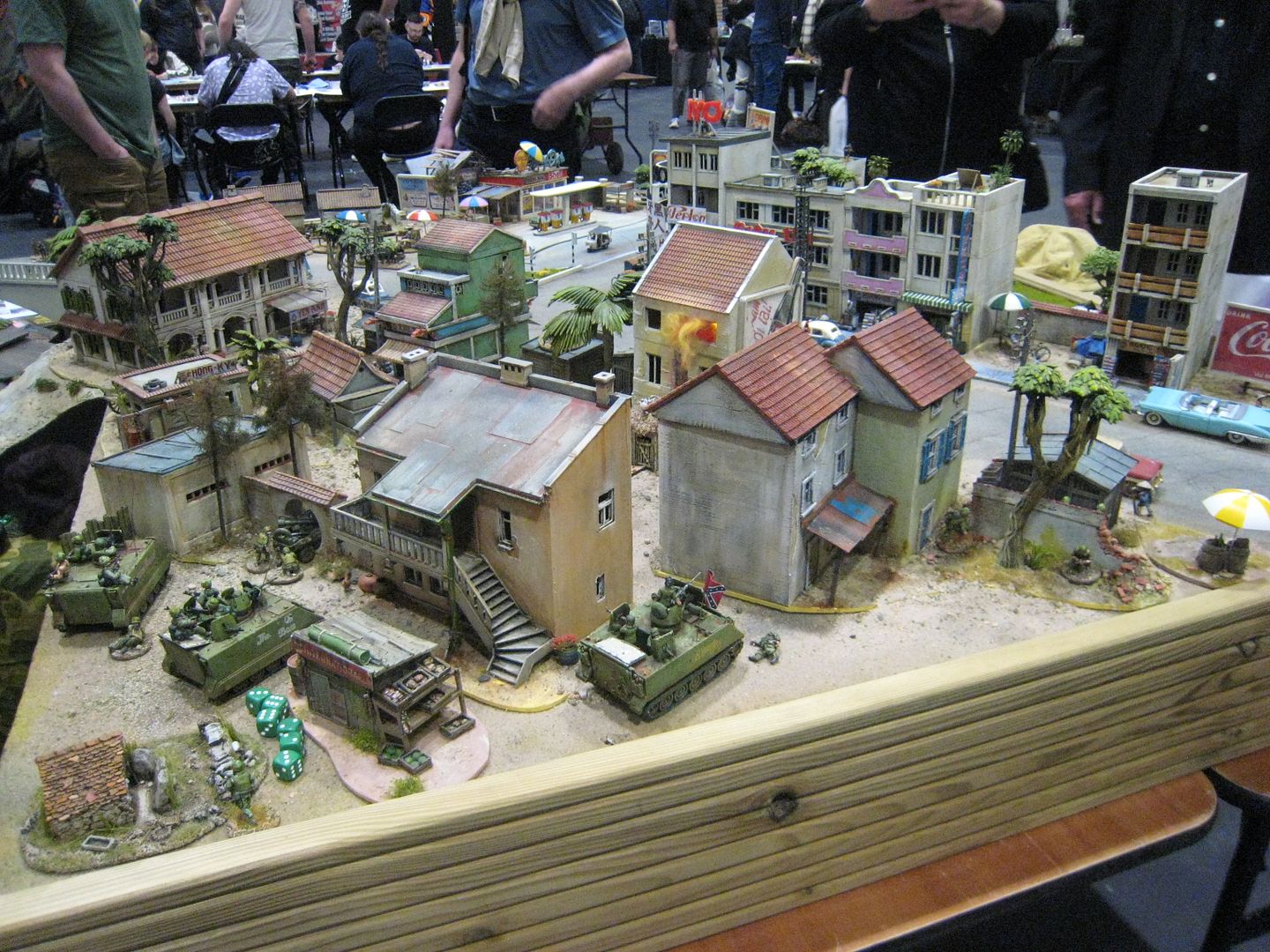
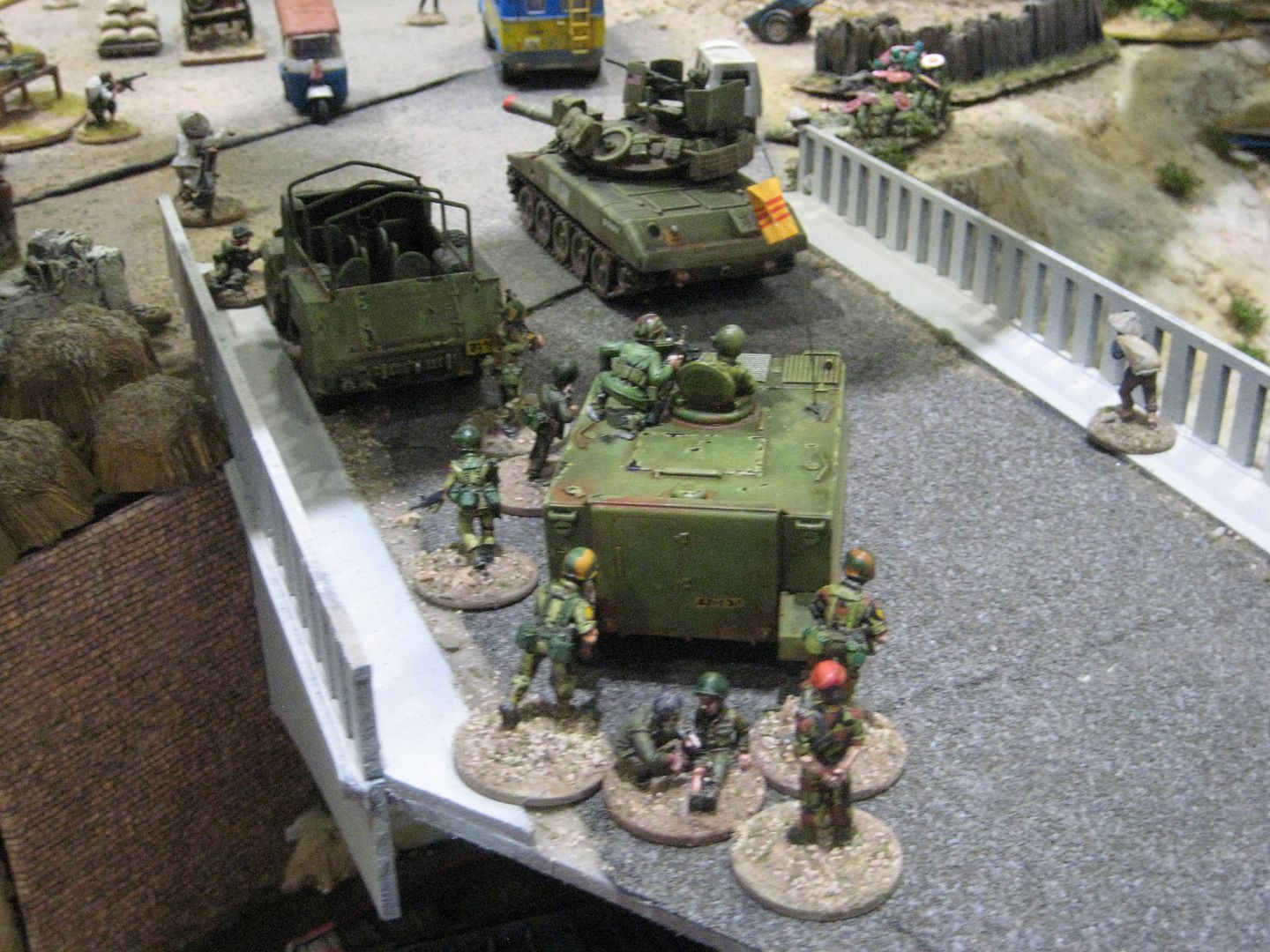
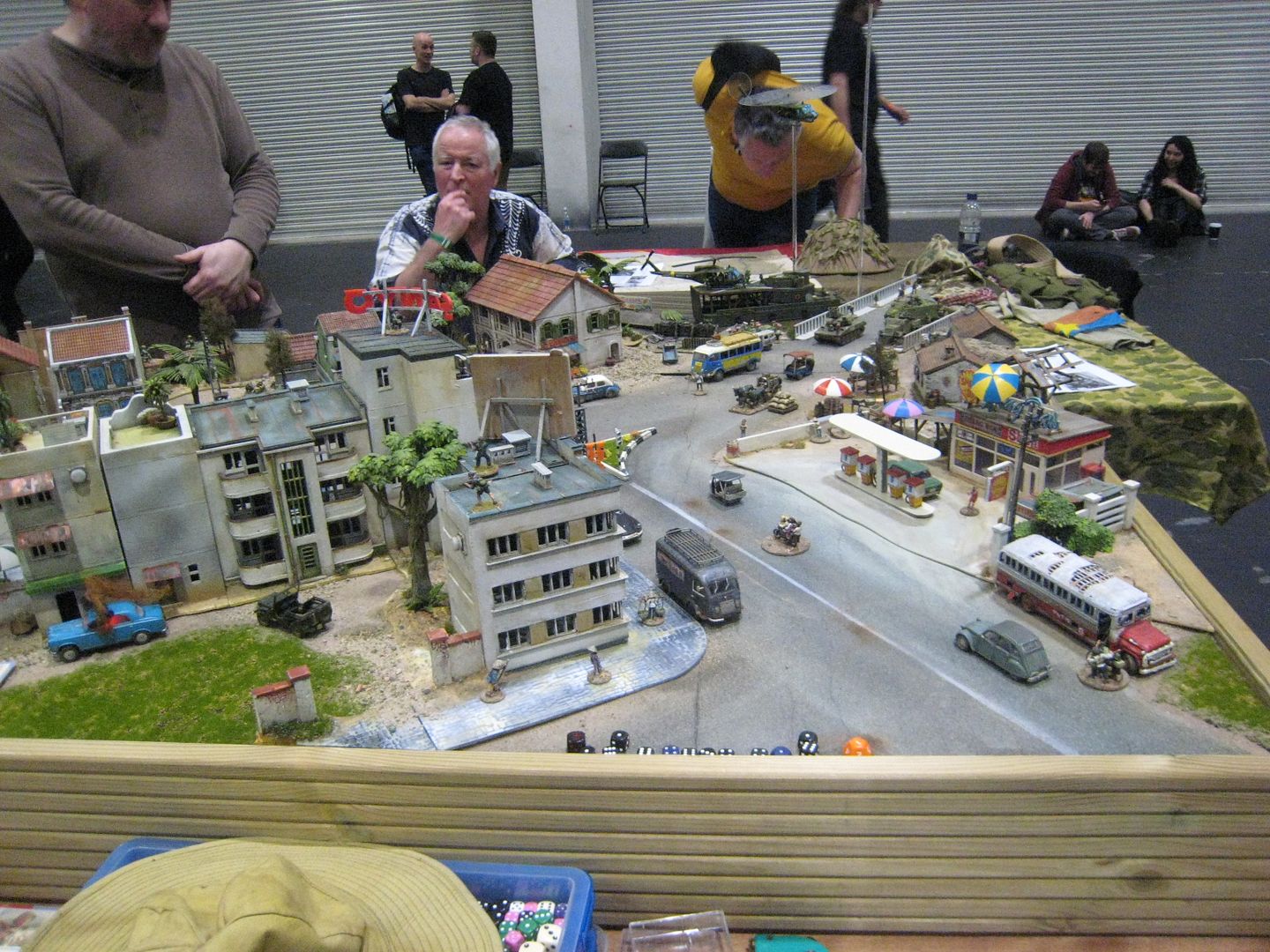
I wasnt sure whether this was Korea or Vietnam.  Nice terrain again, though:
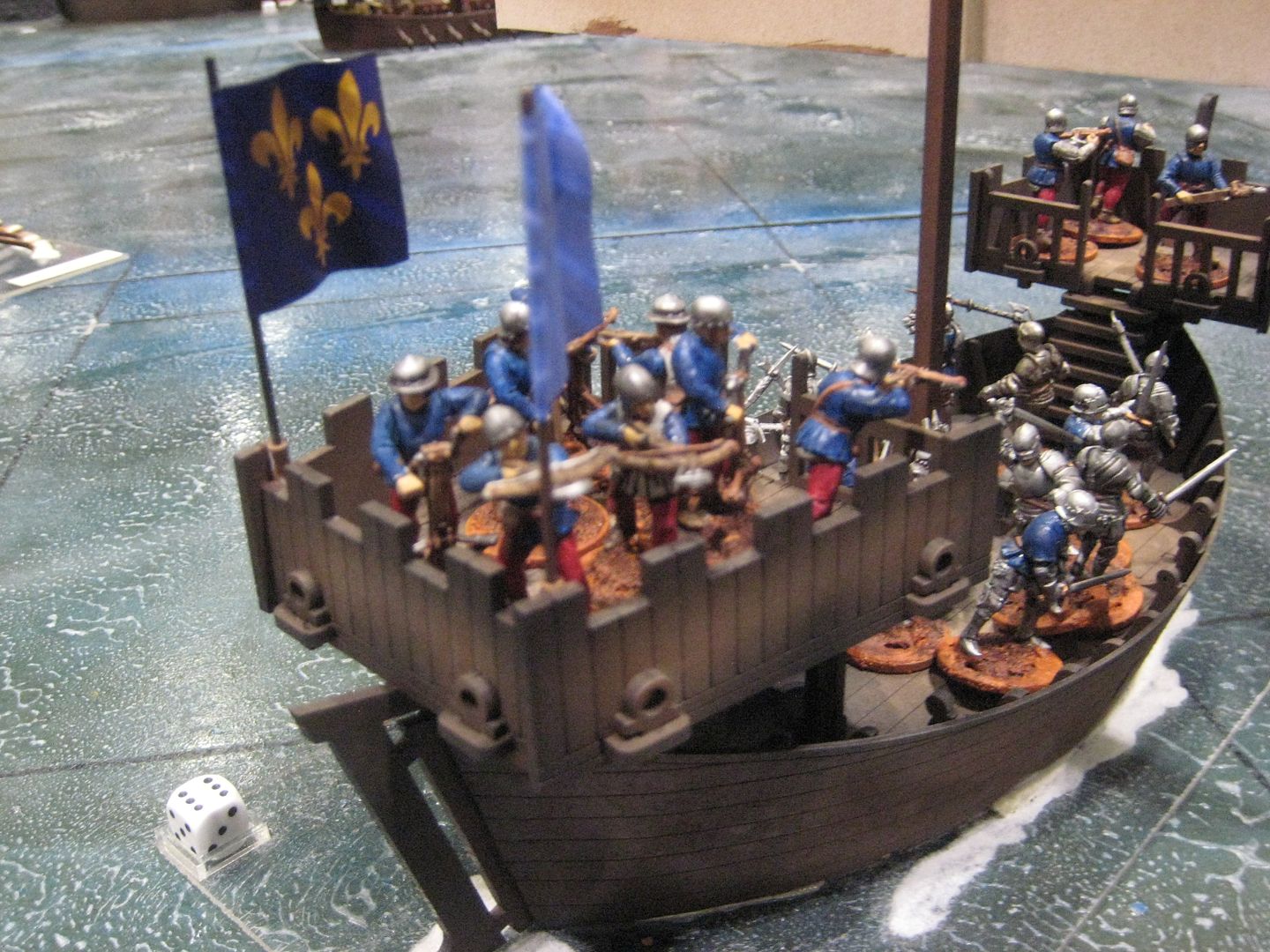


Finally, another of my favourites, Loughton Strike's Force's Mexixan-American War game: